

The Ultimate Guide to Choosing the Right Plastic
An authoritative technical analysis of industrial thermoplastics. From architectural clarity to structural resilience, understand the molecular differences that define modern materials.
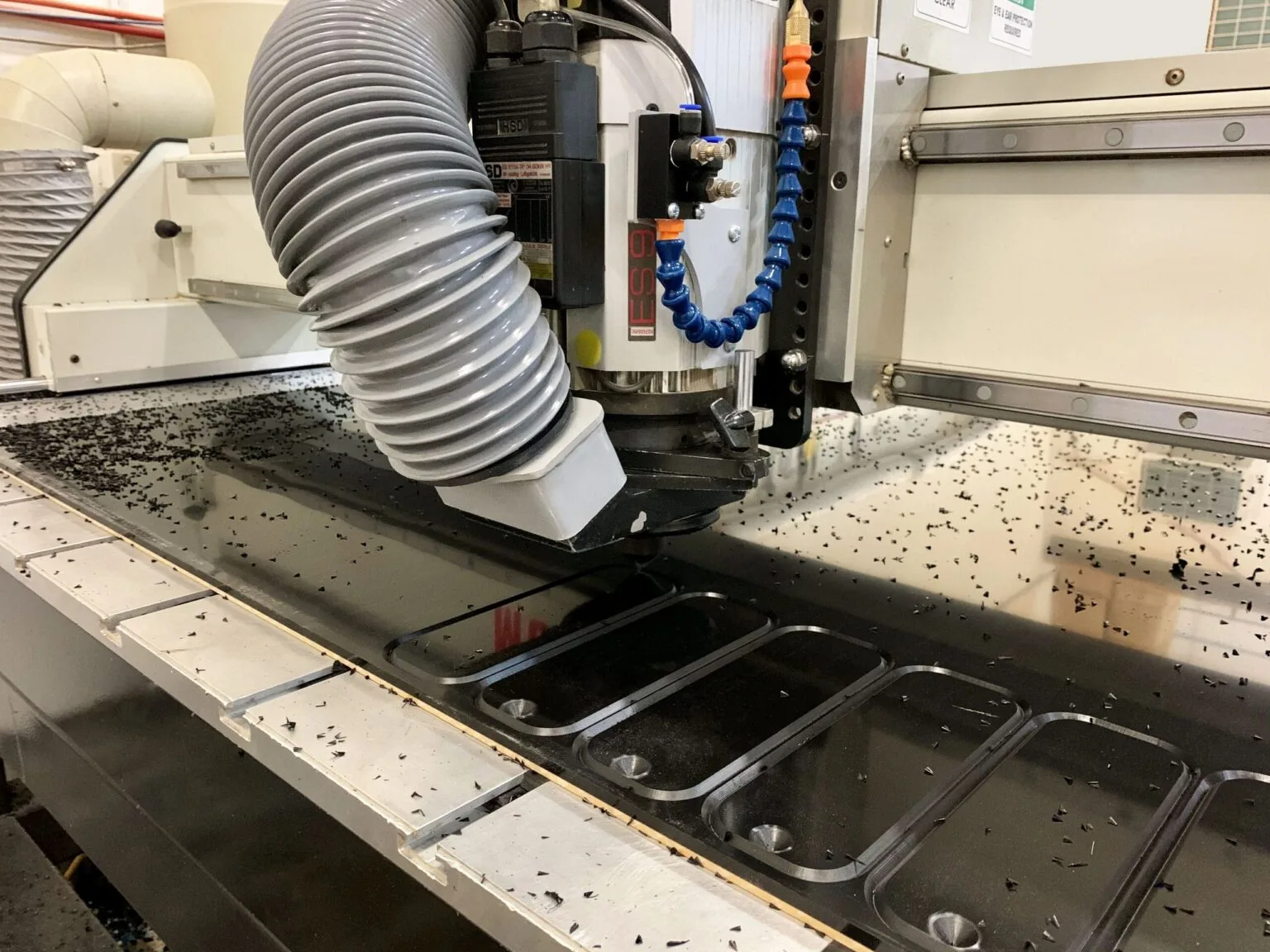
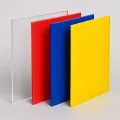
30+ Acrylic Colours
Cut to Size & Delivered Australia-Wide
Start Your OrderTechnical Overview
Selecting the correct thermoplastic is more than a choice of aesthetic - it's a critical engineering decision. Whether you're designing retail displays or heavy-duty industrial guards, factors like light transmission, impact resistance and thermal stability are paramount. This guide breaks down the core materials used in modern fabrication.
Acrylic (PMMA)
Perspex / PlexiglasOften referred to as Perspex or Plexiglas, Polymethyl Methacrylate is the industry standard for clarity. It offers 92% light transmission, exceeding that of glass, while being half the weight and 10x more impact-resistant.
- Best for laser cutting and diamond polishing
- UV-stable for outdoor signage and skylights
- Available in 30+ colours, frosts and tints
Polycarbonate (PC)
Lexan / MakrolonKnown for its "virtually unbreakable" properties, polycarbonate is 250× stronger than glass and the preferred material for safety shielding, ballistic applications, and high-load environments.
- Used for machine guards and safety screens
- Lower scratch resistance than acrylic - needs hard-coat for outdoor use
- Best for hot-line bending and cold-forming
PETG vs Polycarbonate
Decision GuidePETG is the cost-effective alternative to polycarbonate for indoor signage and food-contact applications. It machines and bonds more easily but trades off temperature and impact resistance.
- Indoor displays, retail signage, point-of-sale
- Sneeze guards, partitions, low-impact safety screens
- Avoid in high-temp environments (softens at 70°C)
HDPE vs PVC
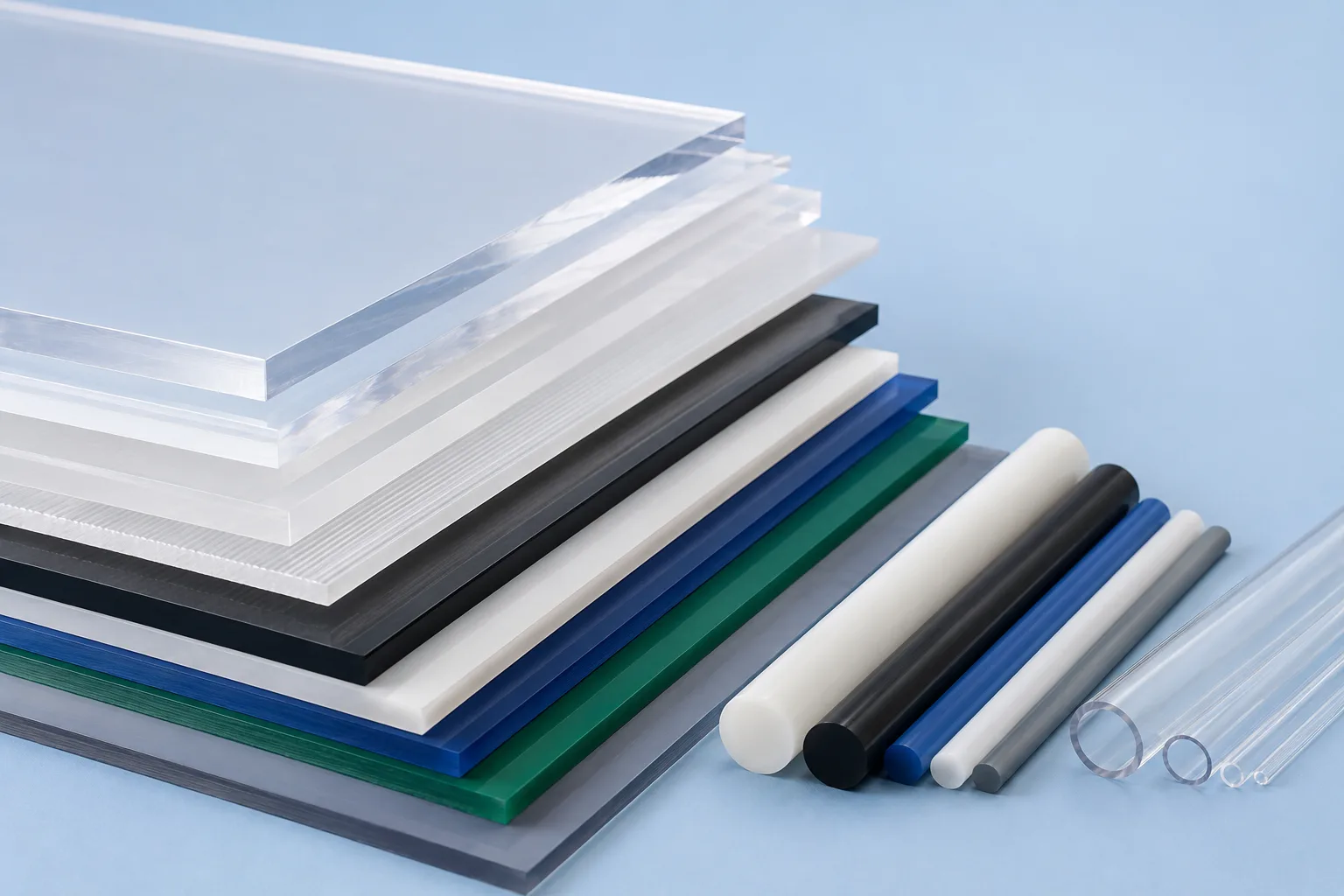
Engineering PlasticsHDPE (High-Density Polyethylene) and PVC are workhorses for industrial fabrication. HDPE excels at impact resistance and chemical tolerance. Rigid PVC offers tighter machining tolerances and chemical resistance with lower cost.
- HDPE for tanks, cutting boards, marine, playgrounds
- PVC for chemical lines, ducting, splashbacks, machined parts
- Choose UHMWPE for the absolute highest wear resistance
Material Comparison Matrix
| Property | Acrylic | Polycarbonate | PETG | HDPE |
|---|---|---|---|---|
| Visual Clarity | Superior (92%) | Good (88%) | Fair (88%) | Opaque |
| Impact Resistance | Moderate | Exceptional | High | Very High |
| Machining | Excellent (Laser) | Difficult (Edge) | Good (Die-cut) | Good |
| UV Stability | Natural (Inherent) | Requires Coating | Average | UV-stabilised grades |
| Max Service Temp | 80°C | 120°C | 70°C | 80°C |
| Relative Cost | $$ | $$$ | $$ | $ |
Common Industry Applications
Automotive
Windshields, headlights, lenses. Polycarbonate dominates.
Medical
Sterilisable protective guards and incubators. Acrylic + polycarbonate.
Architecture
Skylights, hotel cladding, modern facade panels. Acrylic for impressions.
Retail
Display cabinets, sign holders, point-of-sale. PETG + acrylic.
Industrial
Machine guards, gears, bushings. Polycarbonate + acetal + UHMWPE.
Food Service
Cutting boards, splashbacks, sneeze guards. HDPE + PVC + PETG.
Talk to our materials engineer.
No marketing speak - just the right plastic for your job, picked by someone who's been on the workshop floor.