
Perspex Online

Amusement Machine Replacement Glass

Union | Perspex Online
Retail, Display & Visual Merchandising

Overview

Plastic materials are commonly used as replacement panels because they provide high impact resistance, reduced weight, and improved safety compared with traditional glass. In many machines, plastic panels can serve as a direct replacement for broken or damaged glass components while improving durability in high-use environments.


Replacement panels are commonly required in:

  • Arcade and amusement machines

  • Prize redemption machines

  • Vending machines

  • Gaming cabinets and pinball machines

  • Claw machines and prize displays

  • Ticket dispensing machines

  • Interactive entertainment kiosks


Because amusement machines vary widely in design and dimensions, replacement panels are typically custom manufactured to match the original panel size, mounting holes, and edge profiles.

Custom Manufactured to Your Drawings

Replacement panels are usually produced according to specific dimensions taken from existing machines or technical drawings.


We manufacture replacement panels from:

  • CAD drawings or machine panel specifications

  • Customer sketches or dimensional measurements

  • Physical samples of broken or damaged panels

  • Prototype replacements for machine refurbishment

  • Repeat production runs for machine operators or service providers


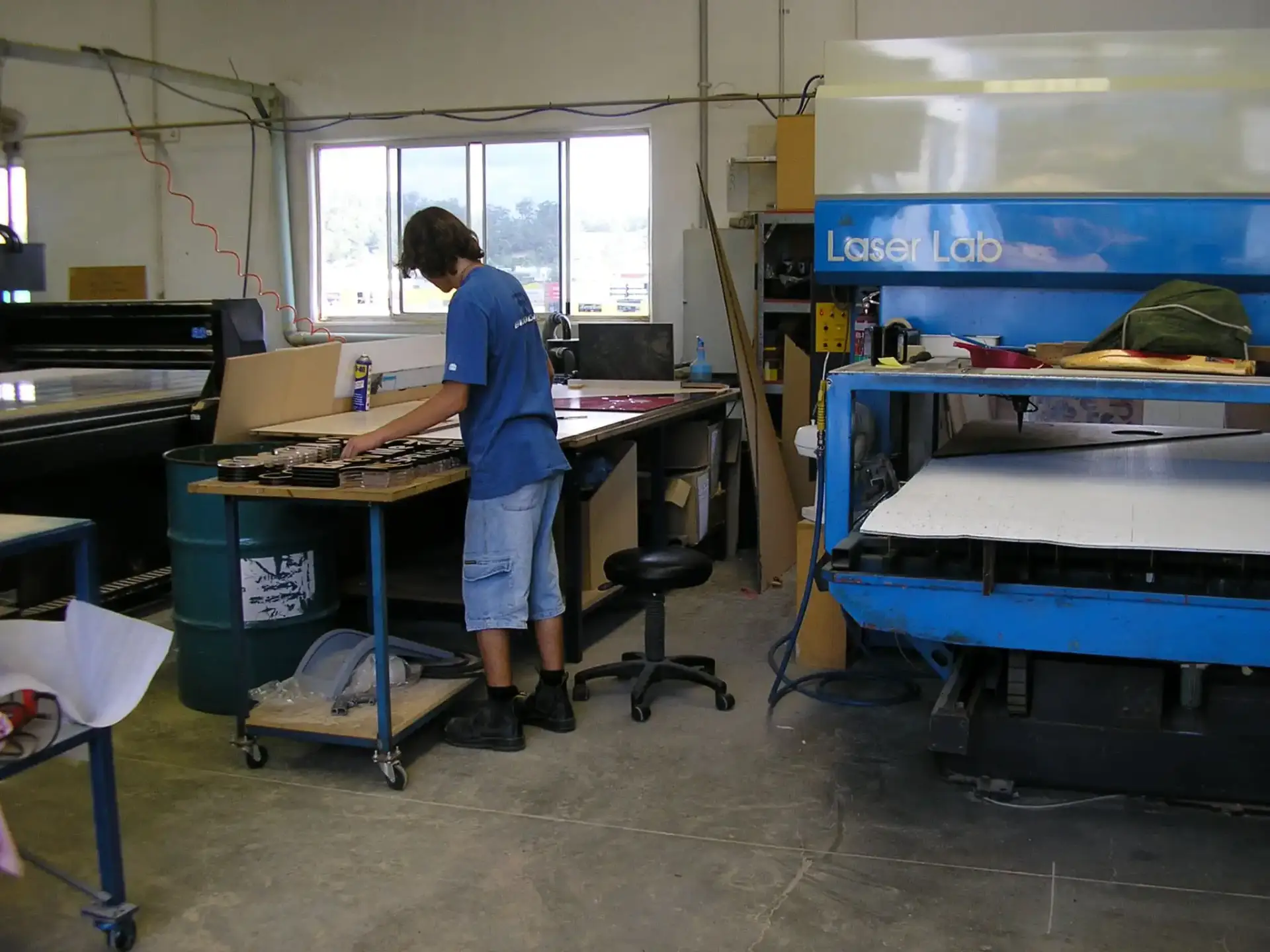
All panels are fabricated in-house using precision cutting and machining processes. Mounting holes, slot features, and edge finishing are produced according to the supplied specifications.


Because machine manufacturers often use unique panel sizes and fixing methods, replacement panels are typically drawing-led custom fabrications rather than standardised products.

Ute Tray Sliders | Perspex Online
P1010009 | Perspex Online

Typical Applications

Plastic replacement panels are used in a variety of amusement and gaming equipment, including:

  • Arcade machine display windows

  • Claw machine viewing panels

  • Pinball machine protective covers

  • Vending machine display windows

  • Prize machine viewing panels

  • Gaming cabinet front panels

  • Ticket redemption machine windows

  • Amusement machine control panel covers


These panels must provide clear visibility while protecting internal components from damage or tampering.

Recommended Materials for Amusement Machine Replacement Glass

Popular Amusement Machine Replacement Glass

Key Performance Requirements

Mechanical

Replacement panels must withstand frequent use and potential impact.


Typical mechanical considerations include:

  • High impact resistance for user safety

  • Panel rigidity to maintain structural stability

  • Accurate machining of mounting holes and slots

  • Smooth edges for safe installation

  • Resistance to cracking during handling


Environmental

Amusement machines are often located in busy public environments.


Environmental considerations include:

  • Resistance to scratching from frequent use

  • Long-term optical clarity

  • Stability under indoor lighting conditions

  • Compatibility with cleaning and maintenance

Recommended Materials

Polycarbonate

A common material for replacement panels due to its exceptional impact resistance.


Advantages:

  • Extremely high durability

  • Resistant to cracking under impact

  • Suitable for high-use public environments

Limitations:

  • Slightly lower optical clarity than acrylic

  • Surface may scratch more easily


Acrylic (PMMA)

Used where visual clarity and presentation are priorities.


Advantages:

  • Excellent optical clarity

  • Smooth, polished surface appearance

  • Lightweight compared with glass

Limitations:

  • Lower impact resistance than polycarbonate

Material Selection Summary

For most amusement machine replacement panels, polycarbonate is commonly selected due to its high impact resistance and durability. This makes it suitable for machines located in busy public environments.


Acrylic may be used where optical clarity is the primary requirement, particularly for prize display windows or cabinet viewing panels.


PETG may be used for formed or curved machine panels, although it typically offers lower scratch resistance compared with acrylic.


Material selection should consider impact risk, panel visibility, and machine design requirements.

Design & Installation Considerations

Several factors should be considered when producing amusement machine replacement panels:

  • Panel thickness required by the machine frame

  • Location and size of mounting holes

  • Edge finishing for visible panels

  • Visibility requirements for displays or prizes

  • Impact resistance for high-use environments

  • Compatibility with machine door or frame mechanisms


Careful measurement and design ensure the replacement panel fits properly and maintains machine safety.

Industrial Engineering Wear Components1 | Perspex Online

Alternative Options:

All components used in this application are manufactured in-house using controlled, drawing-led production processes. We do not supply generic or off-the-shelf products. Each part is produced to specification to meet defined mechanical, environmental, and installation requirements.

Frequently Asked Questions

What materials are commonly used for amusement machine replacement panels? +

Common materials include polycarbonate, acrylic, and PETG, depending on durability and visibility requirements.

What thickness plastic is typically used for replacement panels? +

Replacement panels typically use 4 mm to 10 mm plastic sheets, depending on machine design.

Can replacement panels be produced from broken samples? +

Yes. Broken or damaged panels can often be used as templates to produce accurate replacements.

Is polycarbonate better than acrylic for arcade machines? +

Polycarbonate is often preferred for impact resistance, while acrylic offers higher optical clarity.

Can mounting holes and cut-outs be included? +

Yes. CNC machining allows precise drilling of holes and slot features.

Are curved machine panels possible? +

Yes. Thermoforming processes can be used to produce curved panels when required.

Send Us Your Drawing

Selecting the correct material and fabrication approach for automotive and fleet applications requires consideration of load type, environment, installation method, and service life expectations.