
Perspex Online

skylights 1 | Perspex Online

Overview

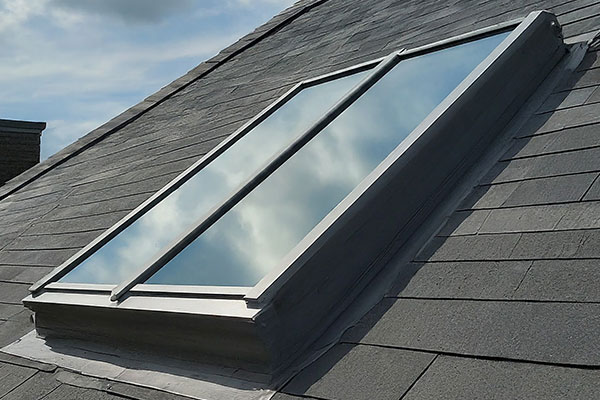
Plastic skylights are roof-integrated daylighting elements designed to introduce natural light into commercial, industrial, and public buildings. They are commonly specified in warehouses, production facilities, retail spaces, transport infrastructure, and large-span structures where vertical glazing is limited.
Unlike domestic roof windows, commercial skylights are typically engineered components manufactured to suit structural openings, roof pitch, support spacing, and compliance requirements. Dimensions, fixing methods, and material grades are defined by architectural and structural documentation.

Project Types & Environments

Skylights are installed in:

  • Industrial warehouses

  • Distribution centres

  • Manufacturing plants

  • Commercial buildings

  • Schools and public facilities

  • Transport depots

  • Agricultural buildings

  • Plant rooms and service structures

Each environment influences material choice, thickness, and fabrication method.

skylights 2 | Perspex Online
skylight 3 | Perspex Online

Functional Objectives

Skylights are generally specified to achieve one or more of the following:

  • Increase natural daylight penetration

  • Reduce reliance on artificial lighting

  • Improve workplace visibility

  • Support energy efficiency targets

  • Provide controlled light diffusion

  • Maintain weatherproof integrity


Performance must balance light transmission with structural durability and weather resistance.

Recommended Materials for Wear Strips

Popular Skylights

Common Skylight Configurations

Skylights may be supplied in various forms depending on design intent:

  • Flat solid panels

  • Domed skylights

  • Multiwall insulated panels

  • Profile-matched roof inserts

  • Curved rooflight sections

  • Pre-drilled panels for framed openings


Configuration depends on roof structure, span, and environmental exposure.

Recommended Materials

Polycarbonate

  • High impact resistance

  • Suitable for industrial and public environments

  • Available in clear or diffused finishes


Acrylic (PMMA)

  • Excellent optical clarity

  • Strong UV resistance

  • Suitable for architectural daylighting


Fabrication & Processing

Skylights are manufactured using:

  • CNC routing for precision sizing

  • Controlled drilling for expansion allowance

  • Thermal forming for domed or curved shapes

  • Edge finishing where required

  • Custom cut-outs for penetrations or framing systems


Laser cutting may not be suitable for thicker impact-grade sheets due to potential heat stress.


Production methods are selected based on thickness, structural demand, and long-term durability.

Structural & Design Considerations

Design documentation should define:

  • Opening dimensions

  • Support spacing

  • Required thickness

  • Wind and load classification

  • Thermal movement allowances

  • Orientation of UV-protected surfaces


Coordination between structural and roofing contractors ensures correct installation and performance.

truck liners1 | Perspex Online

Alternative Options:

All components used in this application are manufactured in-house using controlled, drawing-led production processes. We do not supply generic or off-the-shelf products. Each part is produced to specification to meet defined mechanical, environmental, and installation requirements.

Frequently Asked Questions

What thickness is typically used for commercial skylights? +

Thickness depends on span, wind load, and impact requirements. Solid polycarbonate or acrylic sheets are commonly specified between 4mm and 12mm, while multiwall panels are selected based on span tables and insulation requirements.

Is polycarbonate better than acrylic for skylights? +

Polycarbonate offers significantly higher impact resistance and is generally preferred for industrial or public environments. Acrylic provides superior optical clarity but has lower impact strength.

Can skylights be manufactured to suit existing roof openings? +

Yes. Replacement panels can be CNC cut to match existing dimensions, hole positions, and fixing layouts based on drawings or site measurements.

Do skylights allow for thermal expansion? +

Yes. Fixing holes are typically oversized to accommodate expansion and contraction. Installation must allow movement to prevent stress cracking.

Are UV-resistant grades available? +

Yes. UV-stabilised materials are used for external roofing applications to reduce yellowing and surface degradation over time.

Can skylights be supplied pre-drilled? +

Panels can be pre-drilled to suit structural supports and fixing systems defined in the project drawings.

Send Us Your Drawing

Selecting the correct material and fabrication approach for automotive and fleet applications requires consideration of load type, environment, installation method, and service life expectations.