
Perspex Online

Ute Tray Floors

Union | Perspex Online
ute tray floor | Perspex Online

Overview

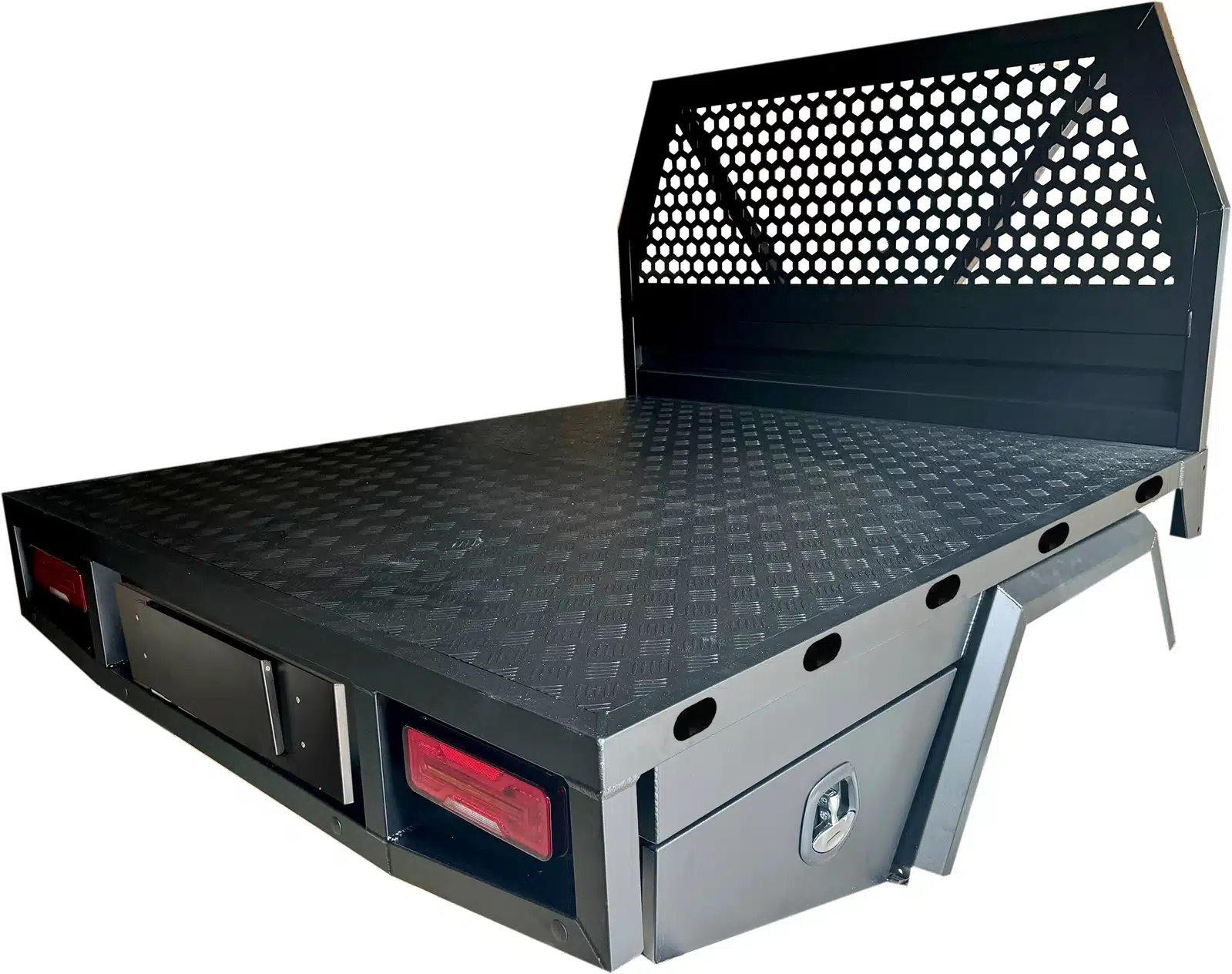
Ute tray floors are custom-manufactured plastic wear panels installed over steel or aluminium tray bases to protect against abrasion, impact, and corrosion. They function as a sacrificial layer, extending the service life of the tray while improving load handling performance.
This application focuses on CNC-machined plastic floor panels produced to drawing. Panels are manufactured to suit specific tray dimensions, fixing layouts, tie-down locations, and load classifications. These are not retail drop-in mats; they are fabricated components designed for commercial and fleet use.

Where It’s Used

  • Trade and contractor utes

  • Mining and site vehicles

  • Fleet service vehicles

  • Agricultural utility vehicles

  • Civil and construction transport

  • Council and government fleet vehicles


Ute tray floors may be supplied as full-surface panels or modular sections depending on tray size and installation constraints.

Industrial tray1 | Perspex Online
ute tray | Perspex Online

Custom Manufactured to Your Drawings

Ute tray floors are typically manufactured to vehicle-specific drawings.


We produce from:

  • CAD files (DXF, DWG, STEP)

  • Dimensioned tray layouts

  • OEM body builder drawings

  • Physical measurements or templates


Production capability includes:

  • One-off fabrication for custom builds

  • Fleet standardisation across multiple vehicles

  • Repeat production with version-controlled drawings


All panels are CNC routed in-house to maintain dimensional accuracy and consistency. Cut-outs for wheel arches, tie-down points, ladder racks, and service body interfaces are machined to specification.

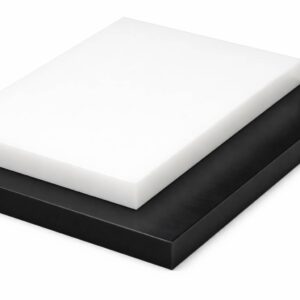
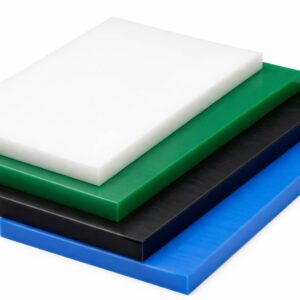
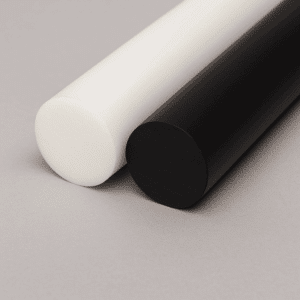
Recommended Materials for Wear Strips

popular Ute Tray Floors

Typical Applications

  • Full tray floor protection panels

  • Heavy-duty trade vehicle floors

  • Mining-spec wear panels

  • Tool storage base liners

  • Refrigerated service vehicle floors

  • Anti-slip work platform surfaces

  • Modular floor sections for large trays

  • Replaceable wear strips in high-contact zones

Key Performance Requirements

  • High abrasion resistance

  • Impact resistance from dropped tools and materials

  • Resistance to gouging and indentation

  • Load distribution across tray surface

  • Dimensional stability under heavy static loads

  • Resistance to cracking at fixing points

Manufacturing & Fabrication

Ute tray floors are manufactured using:

  • CNC routing for perimeter profiling

  • Precision cut-outs for wheel arches and tie-downs

  • Drilling and countersinking for mechanical fixing

  • Machined recesses for flush-mount hardware

  • Modular sectioning for large tray installations


For trays with slight curvature or formed ribs, heat forming may be applied within material limits.

Design & Installation Considerations

  • Confirm tray rib spacing and support structure

  • Specify fixing intervals appropriate to load class

  • Avoid sharp internal corners in cut-outs

  • Allow expansion gaps at tray perimeter

  • Consider anti-slip surface finish where required

  • Assess point-load exposure (e.g., pallet jacks)


For high-impact zones, thicker wear strips or replaceable inserts may be incorporated into the design.

truck liners1 | Perspex Online

Alternative Options:

All components used in this application are manufactured in-house using controlled, drawing-led production processes. We do not supply generic or off-the-shelf products. Each part is produced to specification to meet defined mechanical, environmental, and installation requirements.

Frequently Asked Questions

What thickness is typically used for ute tray floors? +

Thickness depends on load type. Light trade use may require 6–10mm, while heavy-duty mining or palletised loads may require 12–20mm.

Is UHMWPE better than HDPE for tray floors? +

UHMWPE provides superior abrasion resistance and lower friction. HDPE is suitable for general-duty use.

Are tray floors structural? +

They are protective wear layers and not primary structural components unless specifically engineered.

Can floors be made in sections? +

Yes. Modular panels are common for large trays or ease of installation.

Will the material expand in heat? +

Yes. Thermal expansion must be allowed for in hole sizing and perimeter clearance.

Can anti-slip finishes be incorporated? +

Yes, depending on material and machining approach.

Send Us Your Drawing

Selecting the correct material and fabrication approach for automotive and fleet applications requires consideration of load type, environment, installation method, and service life expectations.