
Plastic Pet Enclosures
Custom plastic panels for reptile enclosures, aviaries and pet housing. Clear acrylic, tough polycarbonate and HDPE, cut to size in Australia.
4.8 / 5
Google Rating
24hr
Quote Turnaround
Australia Wide
Delivery
Start Your Project
Partner with Australia's leading acrylic fabrication experts. We provide end-to-end support from material selection to final delivery.
Material Consultation
Our engineers help you select the optimal grade for your specific environmental and aesthetic requirements.
CAD Support
Send us your designs in DXF, DWG, or PDF. We review every file for structural integrity and precision cutting paths.
Fast Quoting
Receive a comprehensive technical specification and competitive quote within 24 hours of your submission.
Recommended Materials
Selecting the right base material for this application.
Custom Plastic Panels for Reptile Tanks, Aviaries and Pet Housing
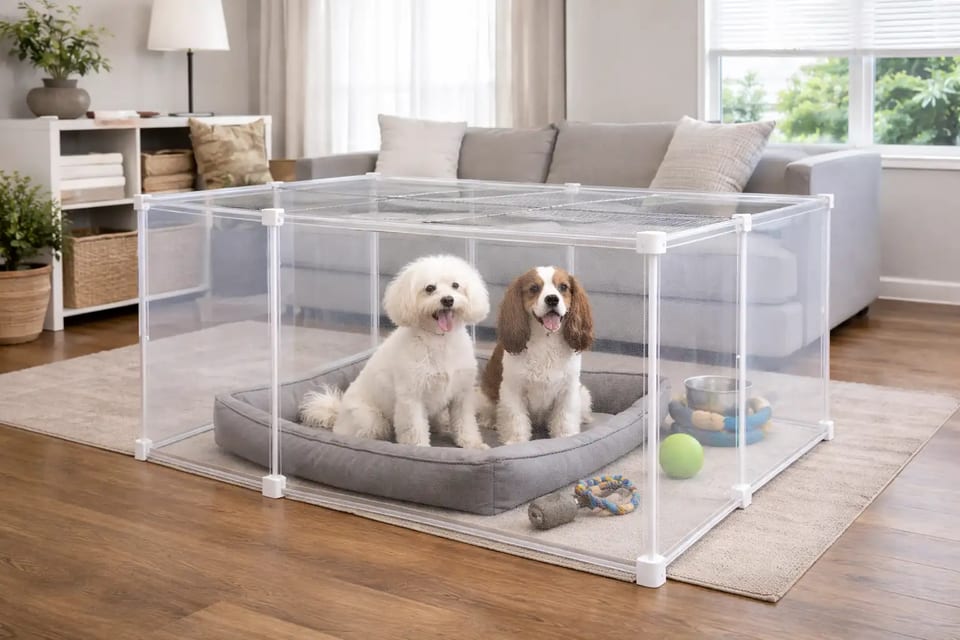
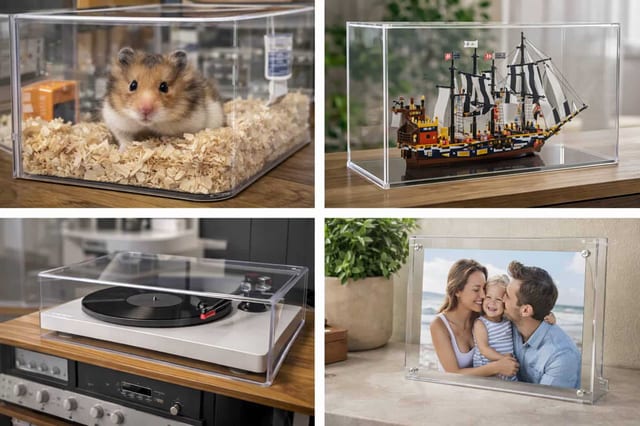
Reptile keepers, bird owners and small pet hobbyists building a custom enclosure often find commercial tanks and cages either too small, too expensive, or the wrong shape for the space they have available, whether that is an alcove, a built-in cabinet or a purpose-built stand.
Perspex Online cuts acrylic, polycarbonate and HDPE panels to your exact enclosure dimensions, giving keepers full control over size, ventilation layout and viewing panel placement.
Choosing the Right Plastic for Your Enclosure
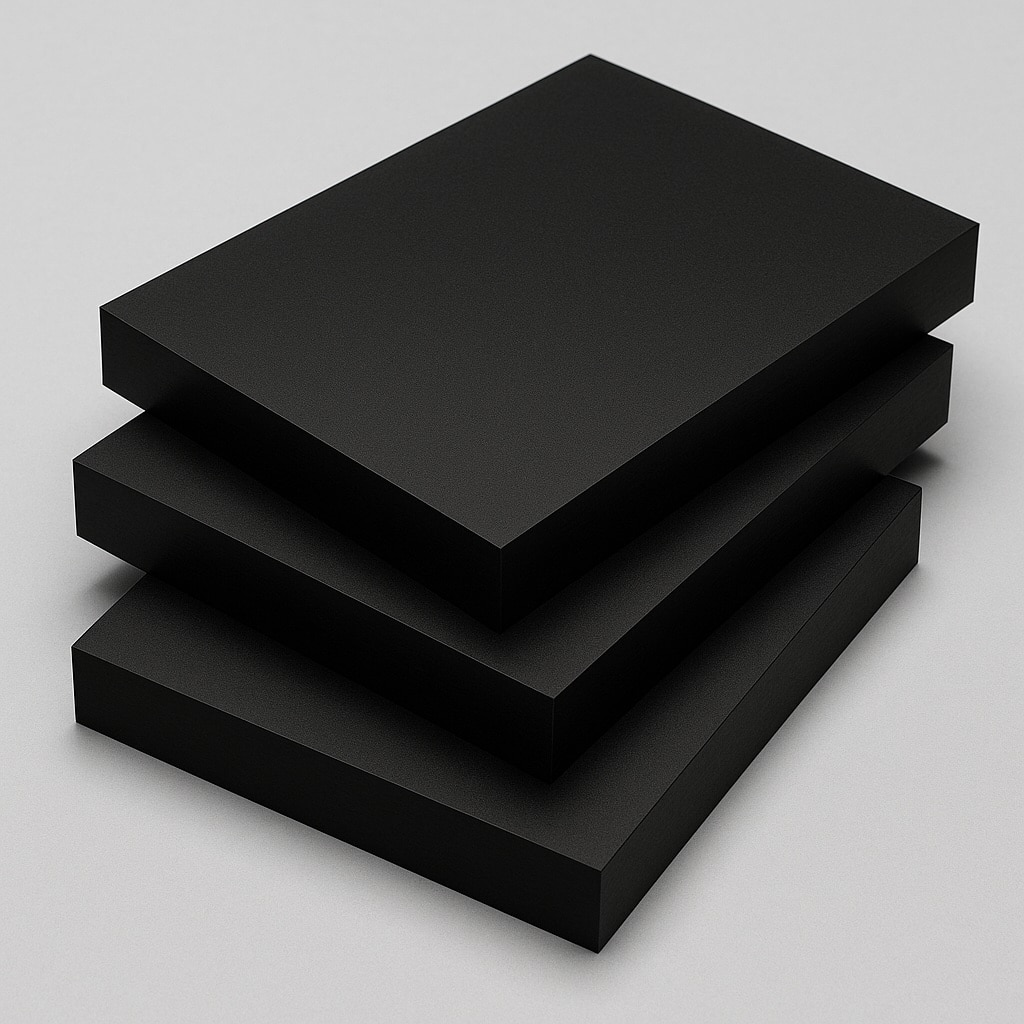
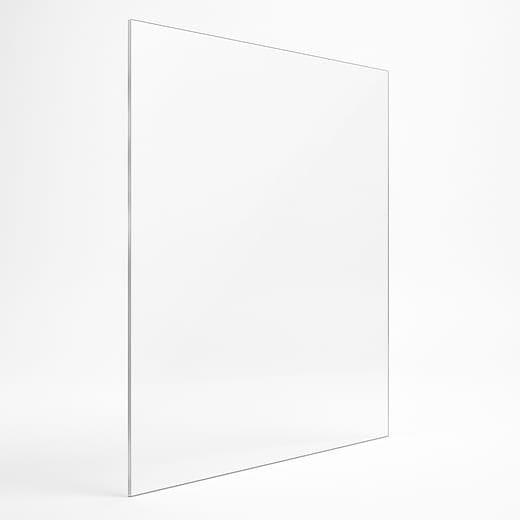
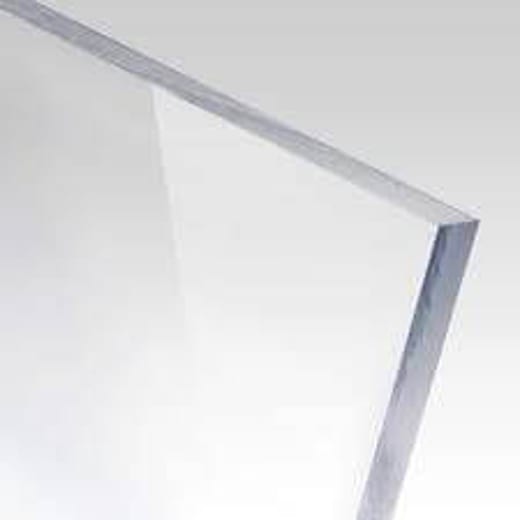
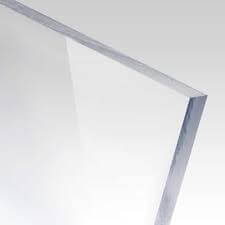
Clear acrylic is a popular choice for reptile enclosure walls and lids because of its clarity and light weight, and it machines cleanly for ventilation holes and door cutouts. It suits enclosures for species that do not scratch or claw at the walls heavily.
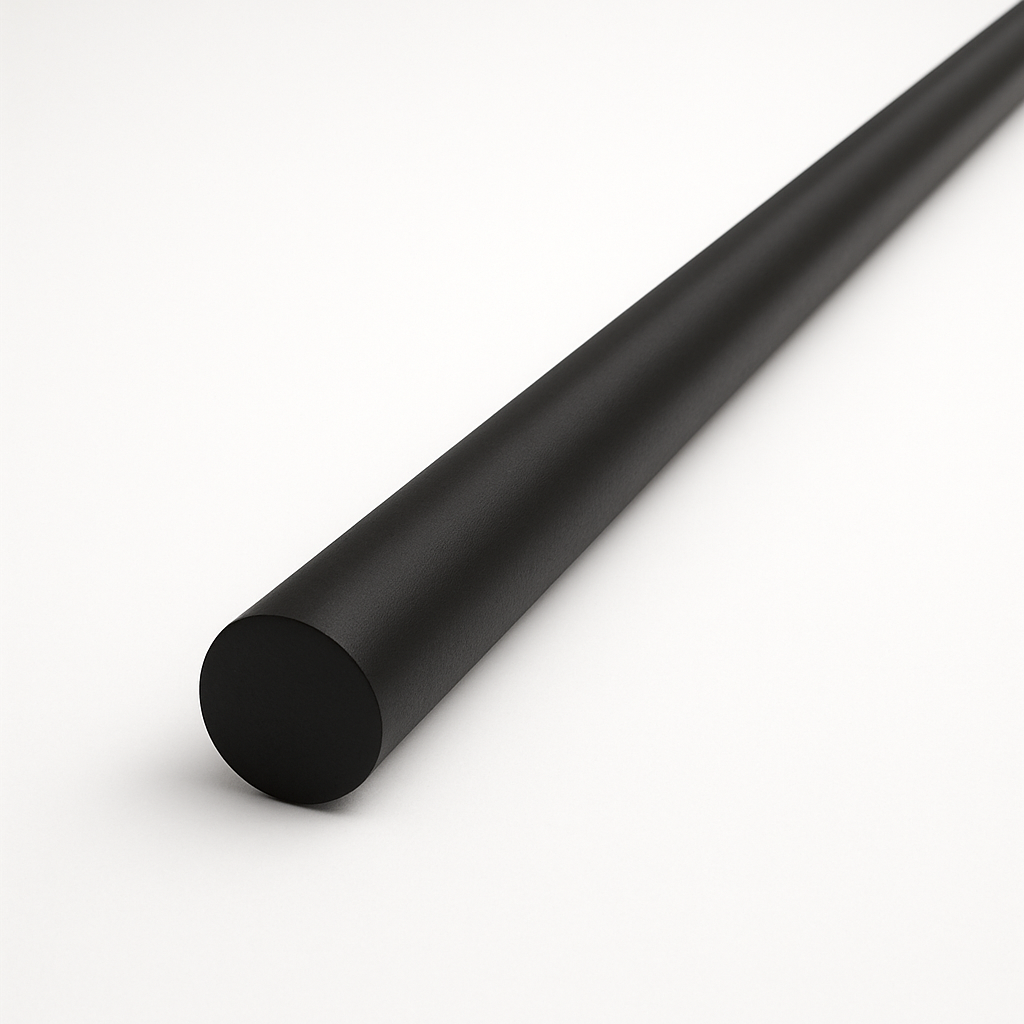
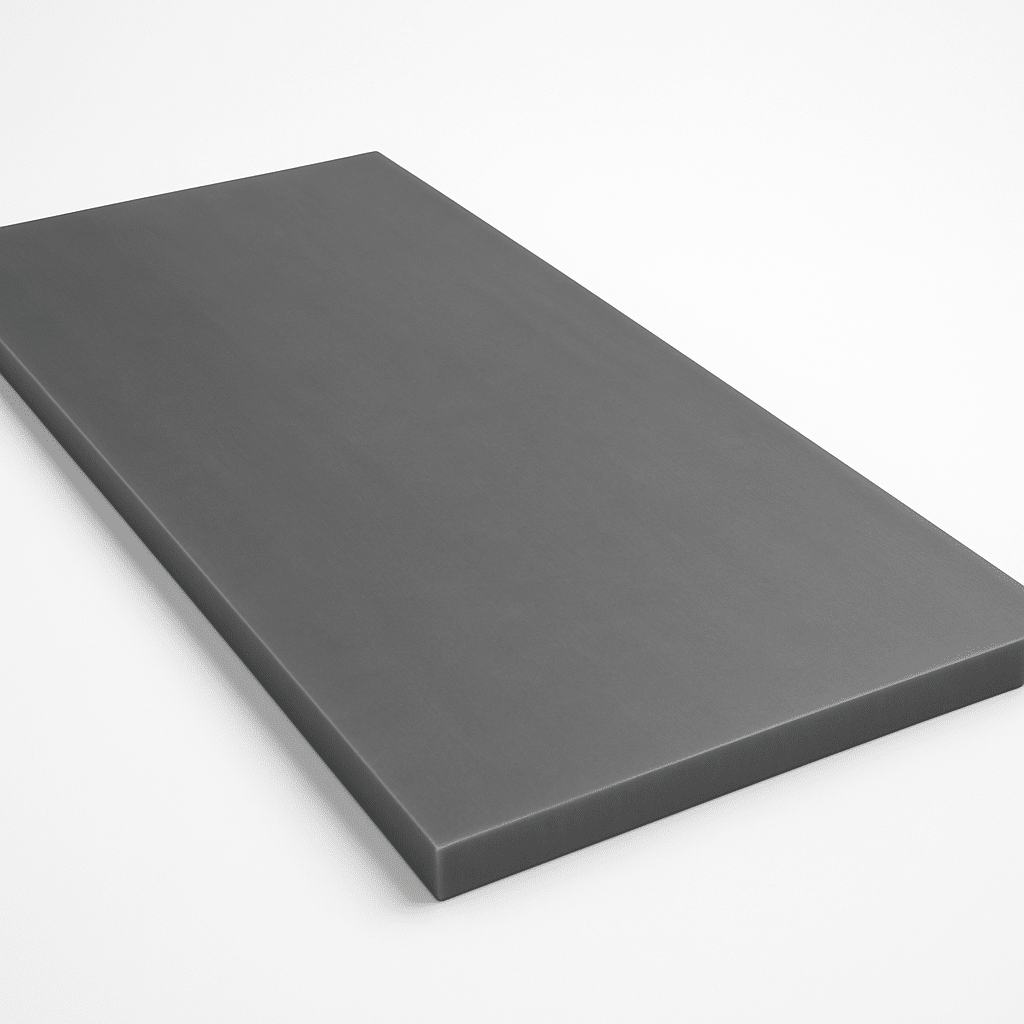
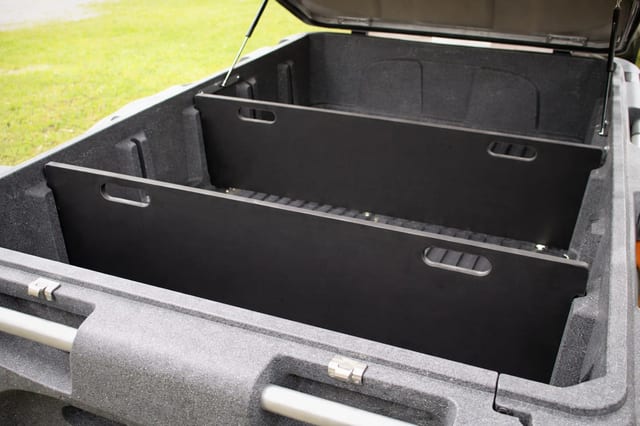
Polycarbonate is the better option for larger or more active animals, including birds and larger reptiles, thanks to its impact resistance, while HDPE is well suited to enclosure bases and back panels that need to handle substrate, moisture and regular cleaning without warping.
Ventilation, Doors and Viewing Panels
We CNC-cut ventilation holes and mesh-backed vent panels sized to your species' airflow needs, along with cutouts for sliding or hinged doors, cable entries for heat cords, and mounting points for lighting fixtures.
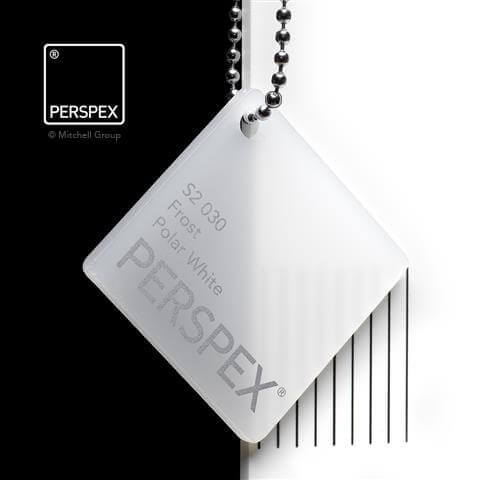
Frosted acrylic panels are sometimes used for side or rear walls where full visibility is not needed, giving the animal a sense of visual security while still allowing light through, alongside clear front panels for viewing.
Building an Enclosure to Fit Your Space, Not a Standard Size
Rather than adapting your space to fit a standard commercial tank, we cut panels to match the exact footprint you have, whether that is a custom stand, a built-in wall recess or a multi-level enclosure design.
This is particularly useful for keepers building bioactive setups, breeding racks or aviaries, where panel sizes need to match a broader structural plan rather than a single off-the-shelf unit.

Ordering Cut-to-Size Enclosure Panels
Send us your enclosure design, dimensions or a sketch of the layout, and we will confirm material recommendations and cut your panel set accordingly.
All panels are cut on the Gold Coast and shipped Australia-wide, priced ex GST based on material and size. Get a quote for your custom pet enclosure panels.
Featured Products
Products commonly used for this application.

Services Involved
Our services relevant to this use case.


Need help with your plastic pet enclosures project?
Our engineers provide expert guidance on material selection, design optimisation, and fabrication.
Plastic Pet Enclosures FAQ
What plastic is best for a reptile enclosure?
Can you cut ventilation holes and mesh vent panels?
Can you build panels for a non-standard or custom-shaped enclosure?
Do you supply HDPE for enclosure bases?
Can you cut door and hinge cutouts into the panels?
More in Home Leisure and Custom Projects
Acrylic Aquarium Panels
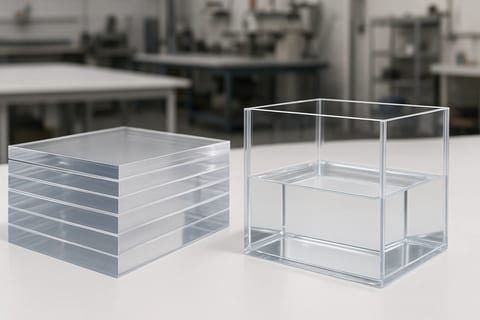
Discover clear cast acrylic panels for custom aquariums, terrariums and reptile enclosures. Learn why cast acrylic beats glass for DIY builds and how to achieve seamless joints with solvent bonding.
Read more
Custom Perspex Trophies & Acrylic Awards
Custom laser-cut and engraved Perspex trophies, corporate awards, and presentation pieces. Clear and coloured acrylic options. Ships Australia-wide.
Read more
Perspex Photo Frames & Clear Acrylic Picture Stands
Crystal-clear Perspex picture frames, block frames, and photo stands. Custom cut-to-size acrylic with polished edges. Ships Australia-wide from the Gold Coast.
Read more
Plastic Tabletops
Custom-cut acrylic, HDPE and polycarbonate tabletops and protective covers. Any shape, any size, polished edges, made to order in Australia.
Read more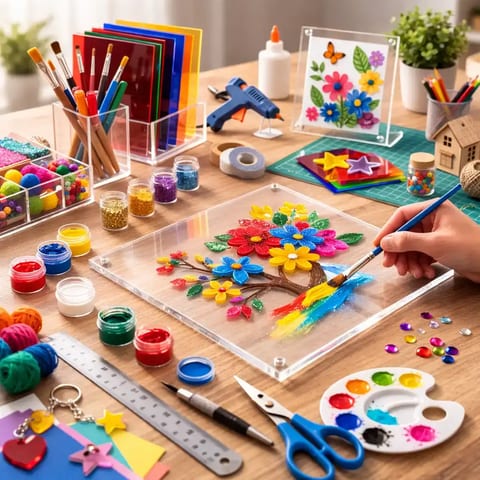
Arts & Crafts Projects
Cut-to-size acrylic, mirror and foam PVC sheet for arts, crafts and hobby projects. Small quantities, custom shapes, laser-cut detail work welcome.
Read more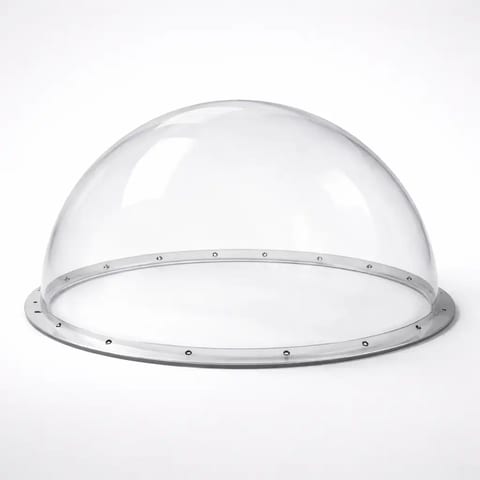
Acrylic Domes
Custom vacuum-formed acrylic domes and covers for displays, skylights and equipment housings. Clear cast acrylic, formed to size on the Gold Coast.
Read moreRelated from other industries
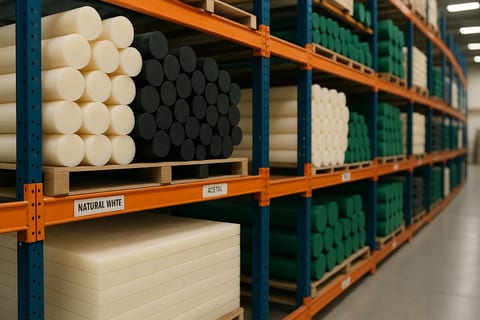
Engineering Plastic Trade Names & Equivalents
Cross-reference guide to engineering plastic trade names. Ertalon, Sustamid, Nylatron, Ertacetal, Sustarin, Polystone, Tivar, Ertalyte, and Simona matched to the nylon, acetal, UHMWPE, PET, and PVC we supply.
Read more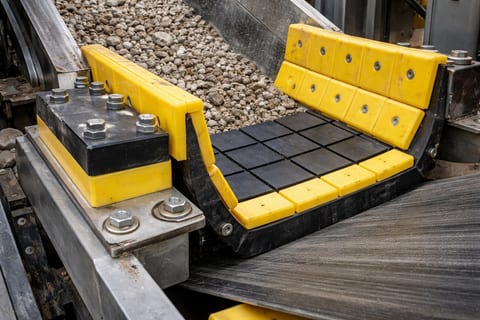
Conveyor Skirting & Transfer Point Sealing
UHMWPE and HDPE conveyor skirting boards, skirt liners, and transfer point sealing strips. Stop spillage and dust at load zones, cut to your chute and skirt dimensions.
Read more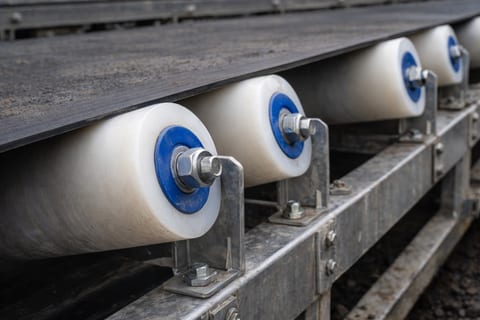
Plastic Sheaves, Pulleys & Rollers
Machined nylon and UHMWPE sheaves, rope pulleys, cable rollers, and guide wheels. Lighter than steel, kind to ropes and cables, machined to your drawing.
Read moreReady to start your plastic pet enclosures project?
Join thousands of businesses across Australia who trust Perspex Online for precision-cut industrial plastics.
Guides & articles
Top 10 Ordering Mistakes With Plastic Materials (And How to Avoid Them)
Avoid common plastic ordering errors by selecting proper thickness, material type, and UV resistance; ensuring precise measurements; considering tolerances; and consulting suppliers for smooth, cost-effective projects.
Read guide →applicationsPlastic Wear Parts for Conveyor Belts: Materials, Applications, and Buying Guide
Conveyor Belts Conveyor belts fail for one simple reason: wear. Friction, abrasion, impact, moisture, and contamination slowly destroy metal components and belts, driving up downtime and maintenance costs. That is why plastic wearable parts on conveyor belts are now standard across food processing, packaging, mining, recycling, and manufacturing lines. This guide breaks down where plastic […]
Read guide →guidesThe Ultimate Guide to Choosing Cut-to-Size Plastic Sheets for Trade and DIY Projects
Guide to cut-to-size plastic sheets: choose the right material (acrylic for clarity, polycarbonate for strength), select proper thickness and finish for durability and look, and use precision cutting and custom fabrication for best results.
Read guide →fabricationFrom CAD to Cut: The Science and Technology Behind Precision Cut-to-Size Plastics
Perspex Online uses advanced CAD/CAM, CNC routing, and laser cutting technologies for precise, high-quality plastic fabrication. They offer diverse materials, eco-friendly options, instant quotes, nationwide delivery, and expert support.
Read guide →guidesTop Plastic Material Problems-and How Expert Cutting and Fabrication Prevent Them
Expert cutting and fabrication prevent common plastic issues like melting, chipping, cracking, and scratches. Precision CNC routing, laser cutting, and proper handling ensure durable, high-quality results.
Read guide →materials7 Types of Plastic and Their Resin Identification Codes (RICs)
We’re surrounded by plastic-from food containers to clothing, it is very unmistakably a part of modern life. Not all plastics are created equal, though. Knowing the various kinds of plastic and their corresponding Resin Identification Codes (RICs) is fundamental to recycling and reuse, as well as in choosing products we consume. The resins used for […]
Read guide →