
Acrylic Signage
Custom acrylic signage cut and engraved to size in clear, tinted, opal, or mirror Perspex sheet for shopfronts, menu boards, and illuminated signs.
4.8 / 5
Google Rating
24hr
Quote Turnaround
Australia Wide
Delivery
Start Your Project
Partner with Australia's leading acrylic fabrication experts. We provide end-to-end support from material selection to final delivery.
Material Consultation
Our engineers help you select the optimal grade for your specific environmental and aesthetic requirements.
CAD Support
Send us your designs in DXF, DWG, or PDF. We review every file for structural integrity and precision cutting paths.
Fast Quoting
Receive a comprehensive technical specification and competitive quote within 24 hours of your submission.
Recommended Materials
Selecting the right base material for this application.
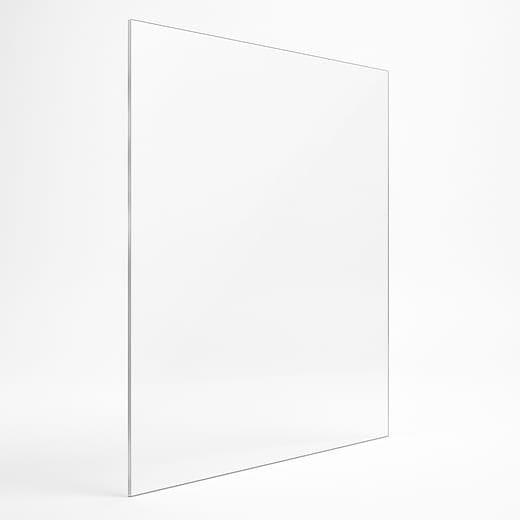
Why Acrylic Is the Go-To Material for Signage
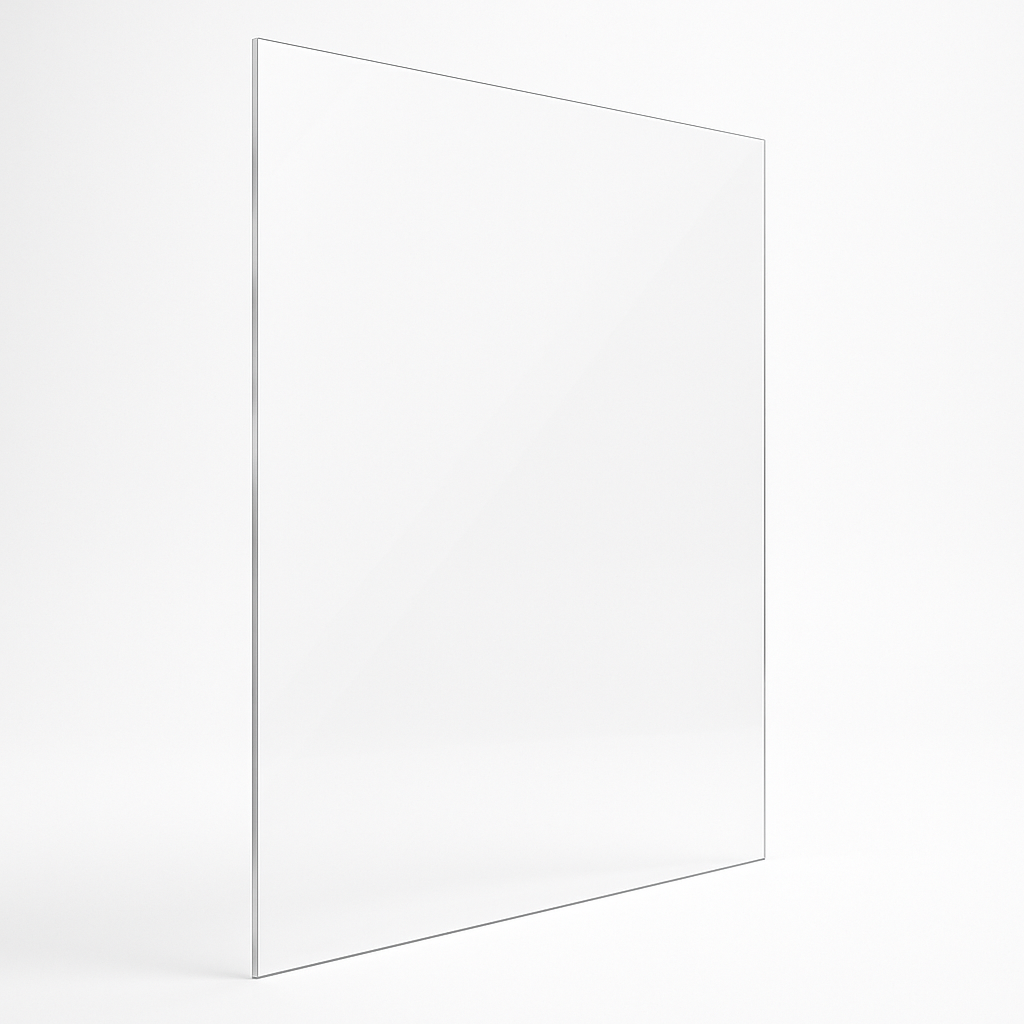
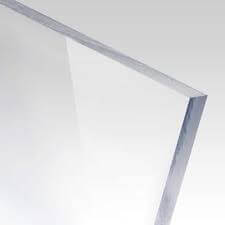
Acrylic sheet is the workhorse material of the sign trade because it takes laser cutting, engraving, and vinyl application better than almost any other plastic. A sheet of acrylic signage cut on our laser cutter comes out with a flame-polished edge straight off the machine, so lettering and logos have a professional, glass-like edge with no secondary finishing needed.
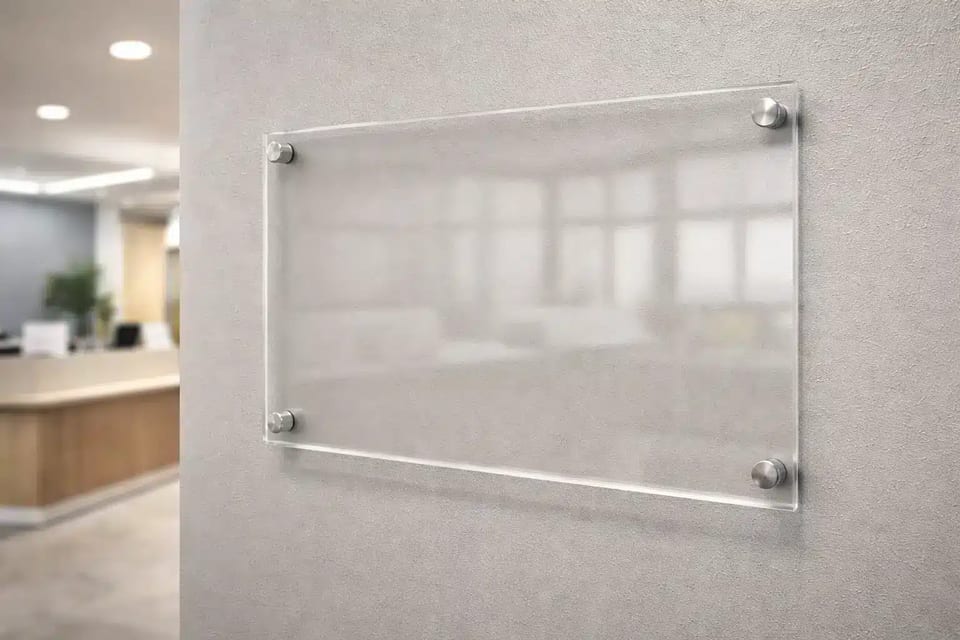
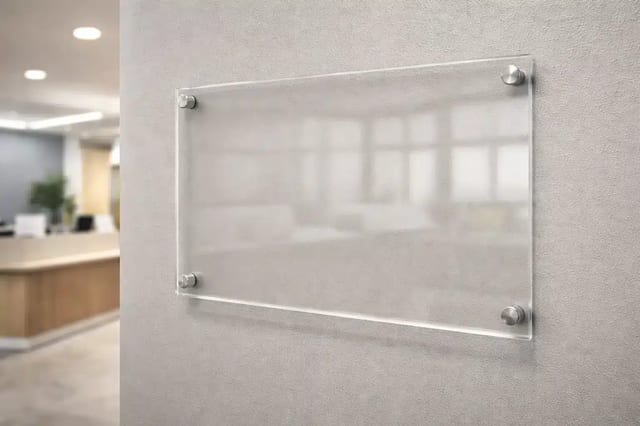
It is also lightweight enough to mount on standoffs or hang from a shopfront without heavy brackets, and it resists cracking far better than glass if a sign gets knocked in transit or installation. For illuminated signs, acrylic sheet spreads LED light evenly across the face rather than showing hot spots.
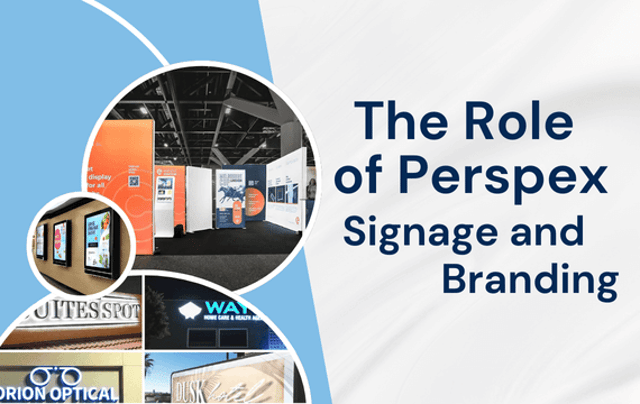
Choosing Colours, Tints, and Finishes
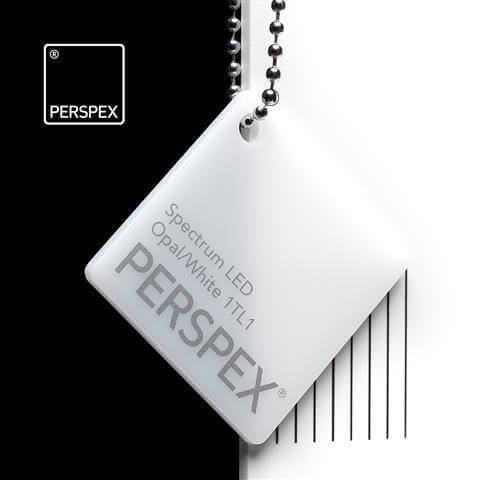
Perspex Online stocks acrylic sheet in a wide colour range through our Perspex Tints and Perspex Spectrum lines, along with fluorescent colours for signage that needs to grab attention in daylight. Perspex Opal sheet is the standard pick for backlit signage, diffusing light from behind into a soft, even glow across the whole panel.
Acrylic mirror sheet is popular for premium signage and awards where a reflective, metallic-look finish is wanted without the cost or weight of real metal or glass mirror.
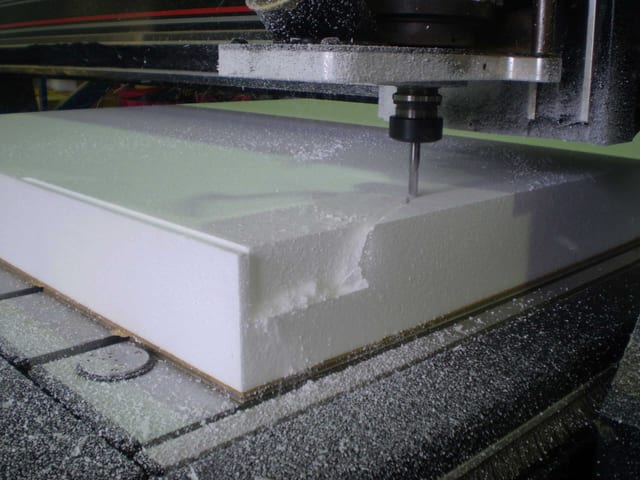
Cutting, Engraving, and Standoff Mounting
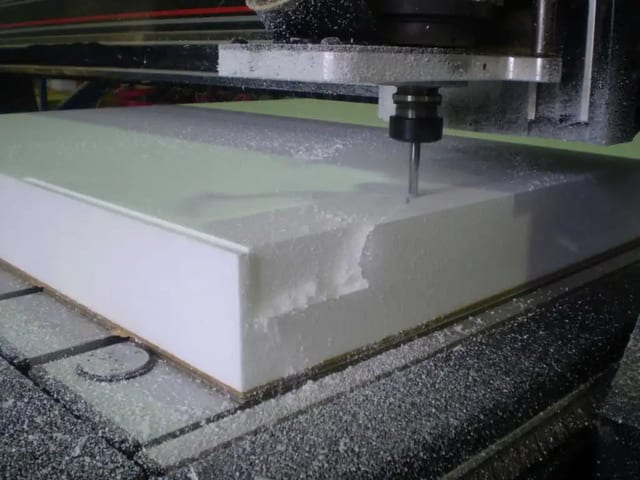
Every sign panel we cut is produced on CNC router or laser cutting equipment from a digital file, so text, logos, and cut-out shapes come out identical across a whole batch of signs, an important detail for franchise and multi-site rollouts. Holes for standoffs, cable ties, or wall fixings are drilled to size in the same job.
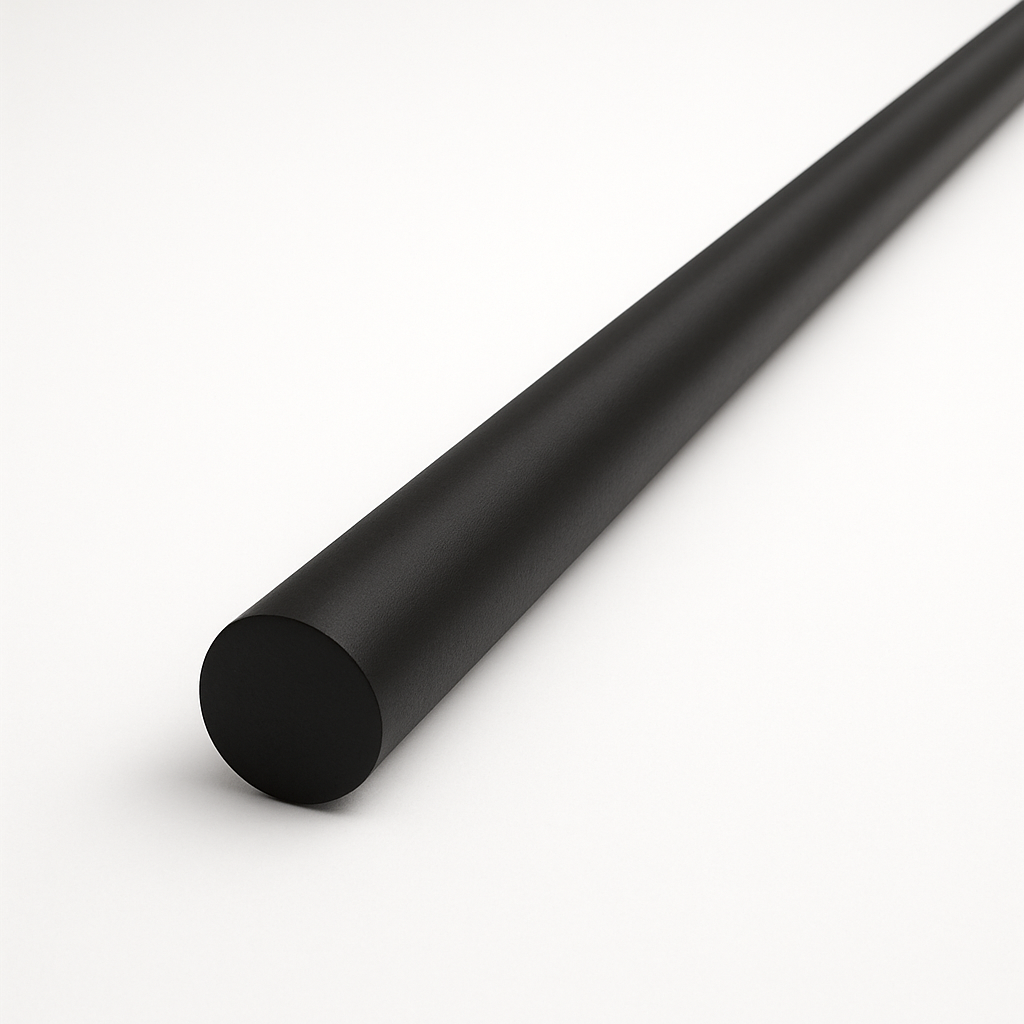
We also cut router-formed dimensional letters and 3D logo lettering from thicker acrylic sheet for a raised, tactile sign, and can supply matching acrylic rod for edge-lit letter displays.
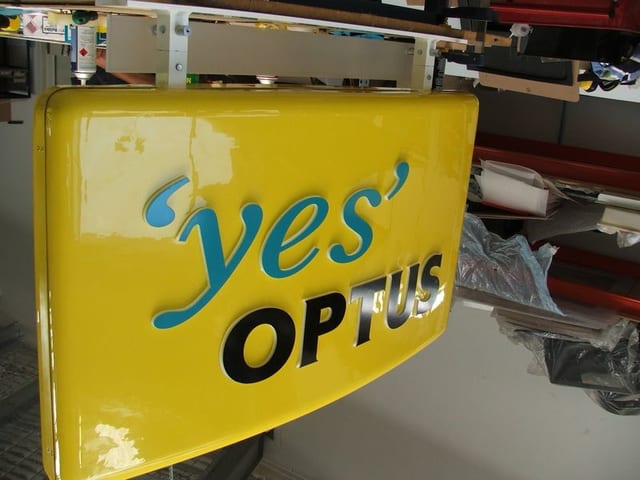
Indoor and Outdoor Sign Applications
For outdoor signage, cast acrylic sheet holds its colour and clarity far longer than budget plastics, resisting the UV fading and yellowing that cheaper polystyrene signage suffers within a year or two of sun exposure. Indoors, acrylic signage is the standard for menu boards, directional signage, wayfinding, and reception logos.
Whatever the application, get in touch with your sign dimensions and artwork and our fabrication team will quote cut, engraved, and polished panels ready to install.
Multi-Site Rollouts and Franchise Signage
For franchise networks and multi-site businesses, consistency across locations is critical. We keep your approved sign template, dimensions, and colour specs on file so repeat orders across any number of stores come out identical, whether it is a single replacement panel or a full rollout of fifty locations launching at once.
Bulk sign orders benefit from set-up efficiencies once the first sign is cut and approved, meaning subsequent runs are faster and more cost-effective per unit. This approach suits retail chains, medical practices, real estate groups, and any brand maintaining signage standards across multiple locations.
Featured Products
Products commonly used for this application.

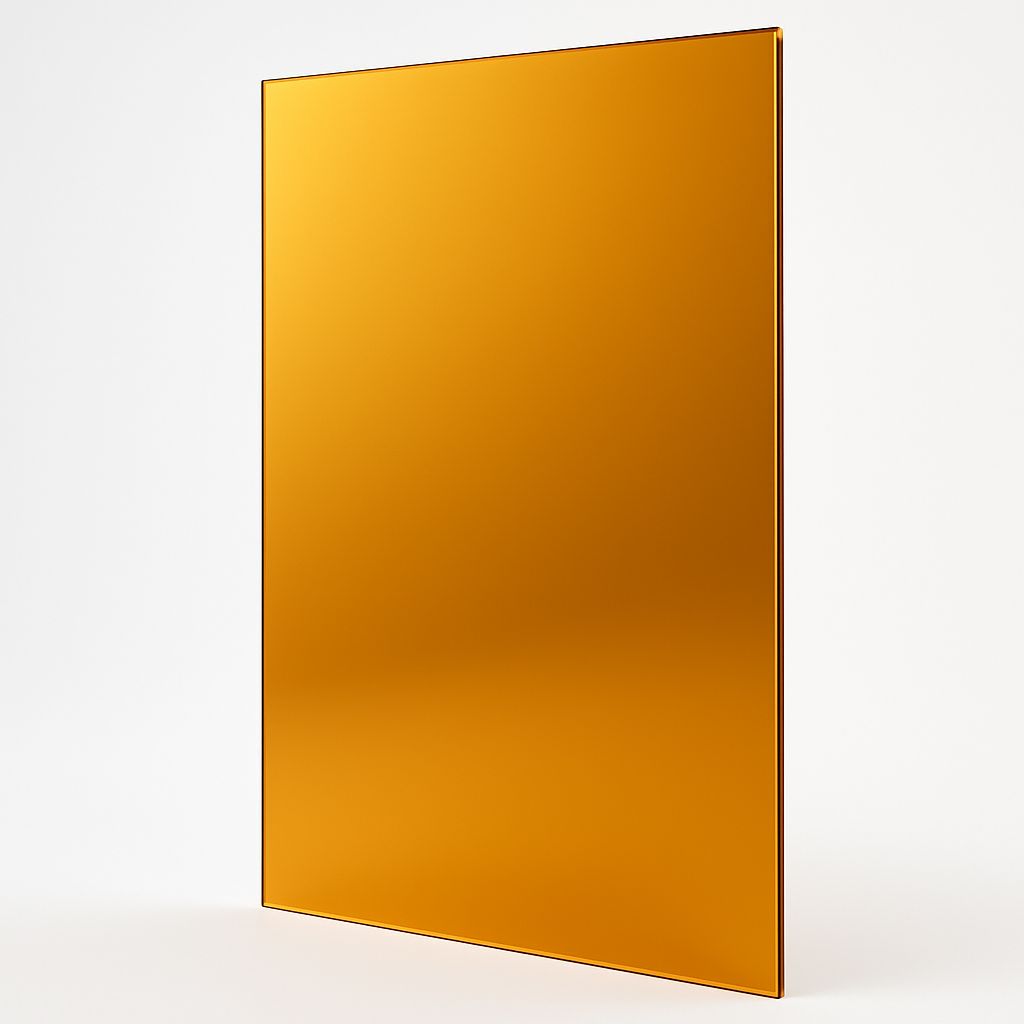
Services Involved
Our services relevant to this use case.


Need help with your acrylic signage project?
Our engineers provide expert guidance on material selection, design optimisation, and fabrication.
Acrylic Signage FAQ
Will acrylic signage fade in the sun?
Can you cut logos and custom shapes into acrylic signage?
What thickness acrylic is best for a shopfront sign?
Do you supply illuminated or backlit signage panels?
Can you produce matching signage across multiple franchise locations?
More in Retail Display and Visual Merchandising

Acrylic Shelf Risers
Clear and opal acrylic shelf risers for retail displays, jewellery counters and product staging. Custom-cut tiered steps with flame-polished edges for professional visual merchandising.
Read more
Amusement Machine Replacement Glass
Custom acrylic and polycarbonate replacement panels for arcade, poker, and vending machines. Cut to match your machine's original dimensions.
Read more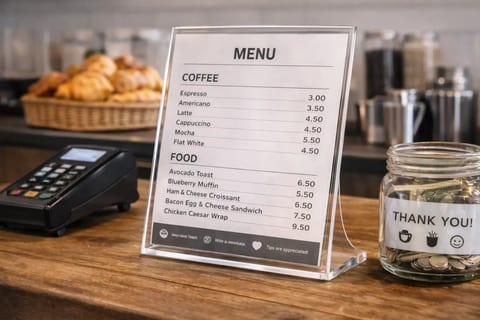
Point of Sale Displays
Custom point of sale displays in acrylic, PVC foam, and corflute. Brochure holders, risers, and counter displays cut to size for retail.
Read more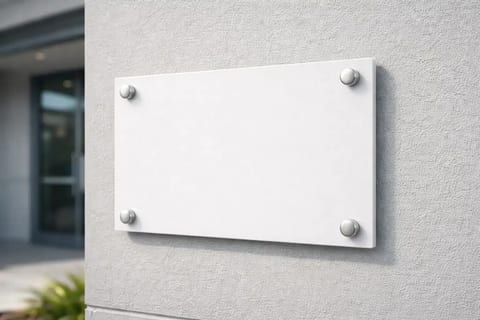
Name Plates & Plaques
Custom laser-engraved acrylic name plates and plaques for offices, homes, and awards. Bulk fit-outs and single custom orders welcome.
Read more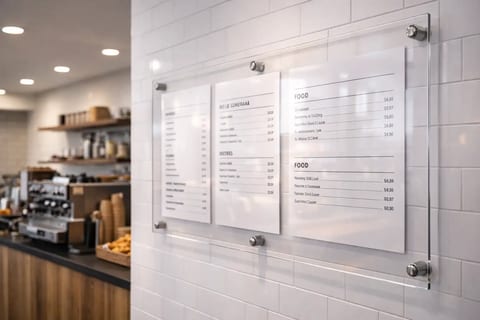
Menu Boards
Custom acrylic menu boards for cafes, restaurants, and food courts. Clear, backlit, tinted, and writable options cut and finished to size.
Read more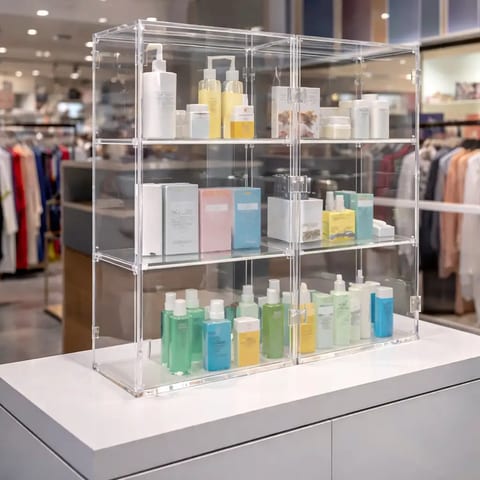
Acrylic Display Cabinets
Custom acrylic display cabinets cut to size for retail, jewellery, and collectables in crystal-clear Perspex sheet, fabricated and polished to a premium finish.
Read moreRelated from other industries
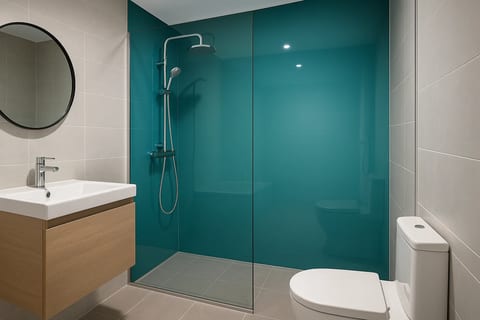
Acrylic Shower Wall Panels
Grout-free acrylic shower wall panels and splashback surrounds for seamless, waterproof bathroom finishes. DIY-friendly cut-to-size panels in clear, colour and tinted options.
Read more
Acrylic Light Diffuser Panels
Opal and diffuser acrylic and polycarbonate panels for even LED light spread in troffers, signage, and ceiling installations. Cut-to-size service available.
Read more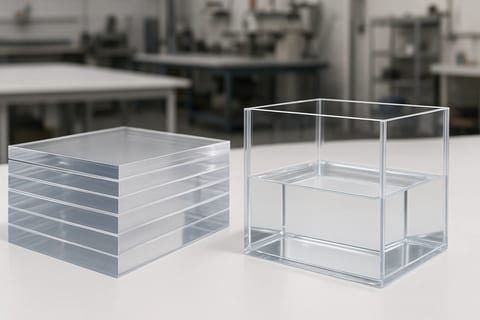
Acrylic Aquarium Panels
Discover clear cast acrylic panels for custom aquariums, terrariums and reptile enclosures. Learn why cast acrylic beats glass for DIY builds and how to achieve seamless joints with solvent bonding.
Read moreReady to start your acrylic signage project?
Join thousands of businesses across Australia who trust Perspex Online for precision-cut industrial plastics.
Guides & articles
Top 10 Ordering Mistakes With Plastic Materials (And How to Avoid Them)
Avoid common plastic ordering errors by selecting proper thickness, material type, and UV resistance; ensuring precise measurements; considering tolerances; and consulting suppliers for smooth, cost-effective projects.
Read guide →guidesThe Ultimate Guide to Choosing Cut-to-Size Plastic Sheets for Trade and DIY Projects
Guide to cut-to-size plastic sheets: choose the right material (acrylic for clarity, polycarbonate for strength), select proper thickness and finish for durability and look, and use precision cutting and custom fabrication for best results.
Read guide →fabricationFrom CAD to Cut: The Science and Technology Behind Precision Cut-to-Size Plastics
Perspex Online uses advanced CAD/CAM, CNC routing, and laser cutting technologies for precise, high-quality plastic fabrication. They offer diverse materials, eco-friendly options, instant quotes, nationwide delivery, and expert support.
Read guide →guidesTop Plastic Material Problems-and How Expert Cutting and Fabrication Prevent Them
Expert cutting and fabrication prevent common plastic issues like melting, chipping, cracking, and scratches. Precision CNC routing, laser cutting, and proper handling ensure durable, high-quality results.
Read guide →applicationsThe Role of Perspex Signage and Branding
What is Perspex Signage? Perspex Signage refers to signs made from Perspex, a brand name for high-quality acrylic sheet. These signs utilise the excellent clarity, durability, and light weight of acrylic to make effective visual communication. They have high optical clarity that allows for bright and readable graphics. Their durability ensures them to last long, […]
Read guide →fabricationTips for Cutting, Shaping, and Working with Plastic Materials
Plastic is a versatile material used for various projects, starting from simple crafts and up to the more complicated engineering designs. However, plastic can be very tricky if you do not know the proper ways of using it. Here are some tips in cutting, shaping, and working with plastic materials effectively: Choosing the Right Tools […]
Read guide →