


Plastic Windbreaks
Plastic materials are widely used for windbreak systems because they provide transparency, impact resistance, and corrosion resistance, while remaining lighter than glass or metal alternatives.…
4.8 / 5
Google Rating
24hr
Quote Turnaround
Australia Wide
Delivery
Start Your Project
Partner with Australia's leading acrylic fabrication experts. We provide end-to-end support from material selection to final delivery.
Material Consultation
Our engineers help you select the optimal grade for your specific environmental and aesthetic requirements.
CAD Support
Send us your designs in DXF, DWG, or PDF. We review every file for structural integrity and precision cutting paths.
Fast Quoting
Receive a comprehensive technical specification and competitive quote within 24 hours of your submission.
Overview
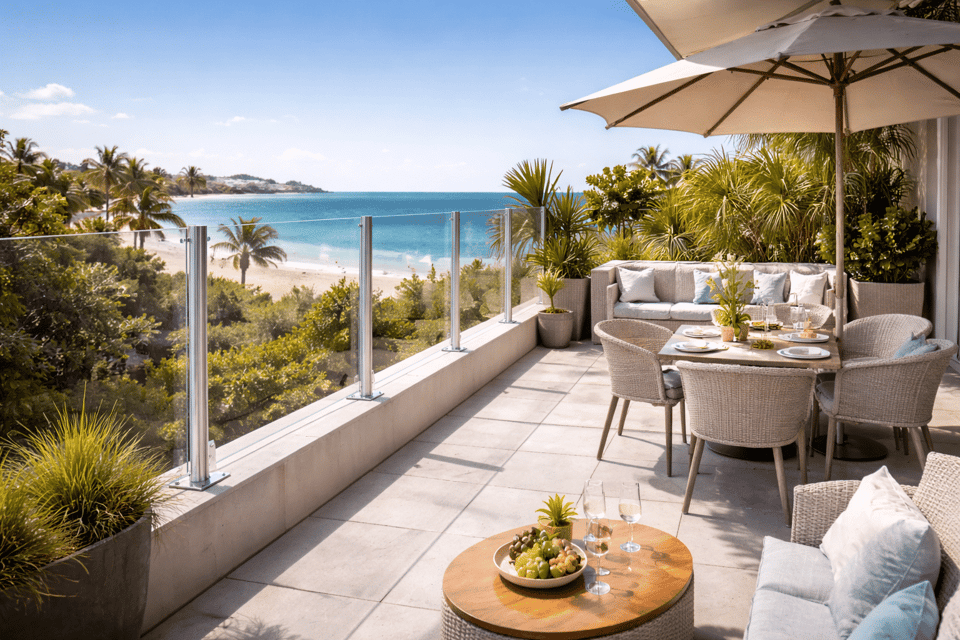
Plastic materials are widely used for windbreak systems because they provide transparency, impact resistance, and corrosion resistance, while remaining lighter than glass or metal alternatives. Transparent panels allow natural light and visibility while reducing wind exposure.
Plastic windbreaks are commonly used in:
- Outdoor restaurant and café seating areas
- Rooftop terraces and hospitality spaces
- Outdoor retail environments
- Industrial walkways and workstations
- Warehouse loading areas
- Public viewing platforms and outdoor facilities
Because installation environments vary in size and structure, windbreak panels are typically custom manufactured to match the dimensions and mounting systems of the installation site.
Get A quote
Custom Manufactured to Your Drawings
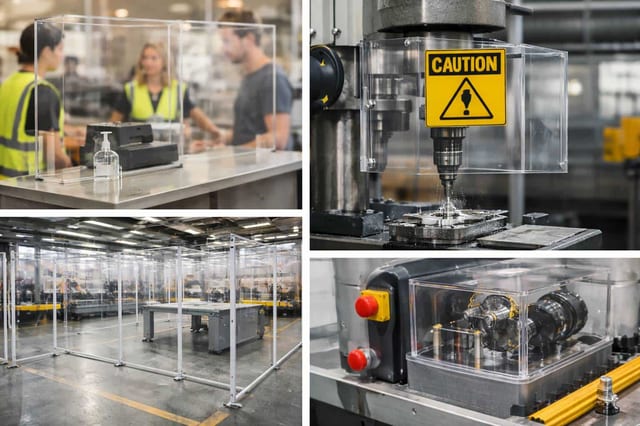
Windbreak panels are generally produced according to specific dimensions and structural layouts defined by the installation environment.
We manufacture windbreak panels from:
- CAD drawings or structural layout plans
- Customer sketches or dimensional specifications
- Reference samples of existing panels
- Prototype panels for new outdoor installations
- Repeat production runs for commercial sites
All panels are fabricated in-house using precision machining and cutting processes. Mounting holes, cut-outs, and panel shapes are produced according to the supplied drawings.
Because windbreak installations often integrate with frames, railings, or support structures, most panels are drawing-led custom fabrications rather than standard products.
View Engineering Plastics
Typical Applications
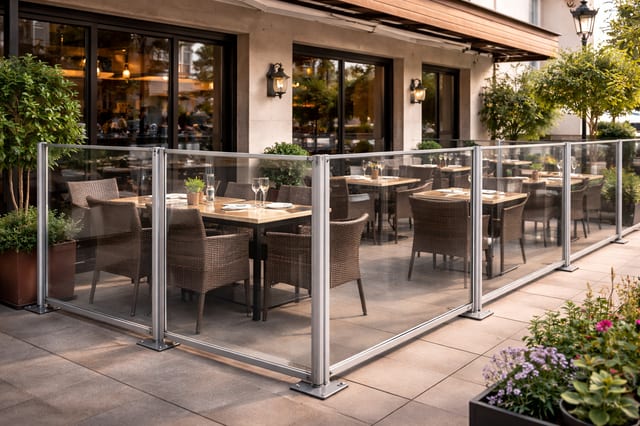
Plastic windbreak panels are used in a range of outdoor and semi-outdoor environments, including:
- Restaurant and café outdoor seating windbreaks
- Rooftop terrace wind protection panels
- Balcony and railing wind barriers
- Outdoor retail queue barriers
- Industrial walkway wind shields
- Warehouse loading dock wind protection panels
- Public viewing area windbreaks
- Outdoor work area protection screens
These installations help improve comfort, safety, and environmental control in exposed spaces.

Recommended Materials for Plastic Windbreaks
ABS Sheet
Perfect for producing complex interior panels, seat backs, dash components, and protective trims. It delivers a durable, hard-wearing finish that stands up to daily passenger use while remaining lightweight and cost-effective to manufacture in volume.
Polycarbonate is a high-impact, virtually unbreakable material perfect for bus windows and safety barriers , providing excellent clarity, strength, and long-term durability.
Acrylic is a clear, rigid material ideal for bus barriers and interior panels, offering excellent optical clarity, a smooth professional finish, and good weather resistance for long-term use.
PVC is a durable, lightweight material suited to internal bus panels, offering good impact resistance, moisture resistance, and easy fabrication for clean, low-maintenance interiors.

Products for this application
Send Us Your Drawing
Selecting the correct material and fabrication approach for automotive and fleet applications requires consideration of load type, environment, installation method, and service life expectations.
Contact Us
Need help with your plastic windbreaks project?
Our engineers provide expert guidance on material selection, design optimisation, and fabrication.
Plastic Windbreaks FAQ
What materials are commonly used for plastic windbreaks?
What thickness plastic is typically used for windbreak panels?
Can windbreak panels be manufactured from custom drawings?
Are windbreak panels suitable for outdoor use?
Can mounting holes and cut-outs be included?
Can curved windbreak panels be produced?
More in Safety Protection and Compliance
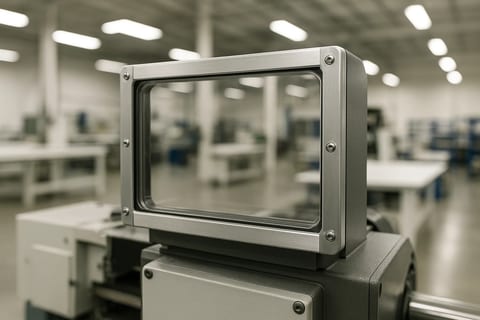
Polycarbonate Safety Glazing
Near-unbreakable polycarbonate safety glazing for machine guards, security screens and vandal-prone applications. Available cut-to-size with UV-stabilised grades for indoor and outdoor use.
Read more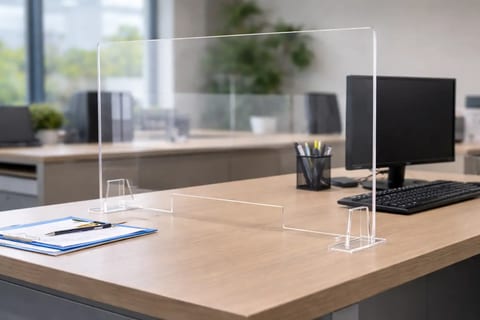
Safety Screens
Custom safety screens for counters, desks, and reception areas in clear acrylic or polycarbonate. Freestanding, clamp-on, and fixed options.
Read more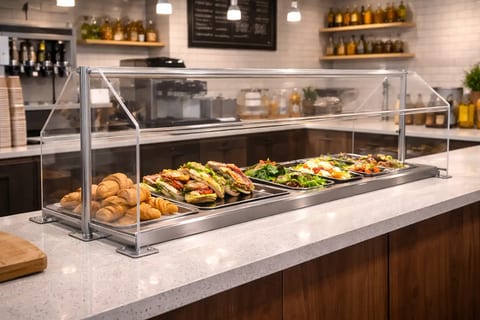
Sneeze Guards
Custom sneeze guards in acrylic and polycarbonate for buffets, bakeries, and food counters. Straight, angled, and curved shapes cut to fit.
Read more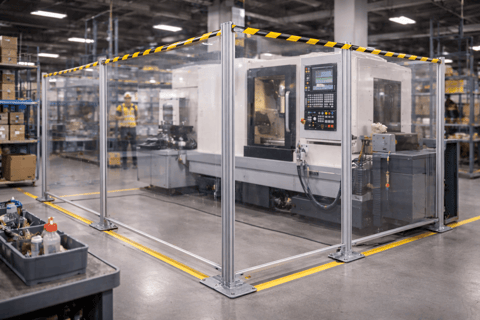
Protective Barriers
Custom protective barriers in polycarbonate, acrylic, HDPE, and PVC for machine guarding, workplace safety, and public spaces. Cut to fit.
Read moreReady to start your plastic windbreaks project?
Join thousands of businesses across Australia who trust Perspex Online for precision-cut industrial plastics.