
Boat Window Replacements
Overview
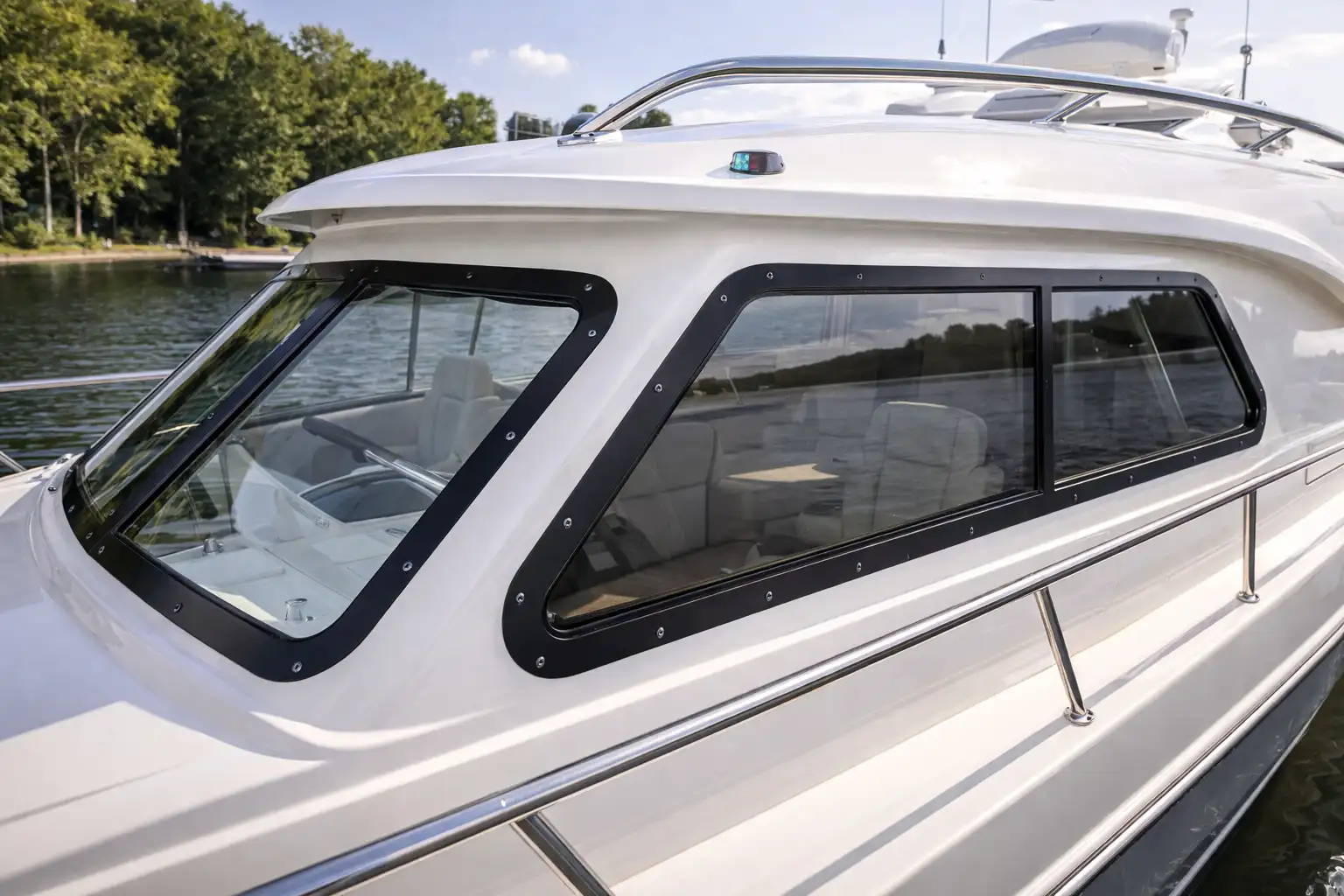
This application focuses on fabrication to drawing. Replacement windows are CNC machined and finished to suit defined dimensions, corner radii, hole positions, and thickness requirements. These are not retail marine window assemblies, they are precision-manufactured glazing panels.
Where It’s Used
Recreational boats
Commercial fishing vessels
Charter vessels
Ferries and workboats
Marine fleet craft
Cabin cruisers and yachts
Windows may be fixed, framed, bonded, or mechanically fastened depending on vessel type and original specification.
Why Plastic Is Used
Plastic glazing is widely specified in marine environments because it:
Is lighter than glass
Offers impact resistance
Resists corrosion in saltwater conditions
Tolerates vibration and hull flex
Can be machined to complex shapes
Provides optical clarity with UV-stable grades
Material selection must balance clarity, impact resistance, scratch resistance, and long-term UV exposure.
Recommended Materials for Boat Windscreen Replacements
Custom Manufactured to Your Drawings
Boat window replacements are typically produced to technical drawings or reverse-engineered samples.
We manufacture from:
CAD files (DXF, DWG, STEP)
Dimensioned technical drawings
Physical samples for template replication
Accurate aperture measurements
Production supports:
One-off replacements
Small batch marine refits
Repeat production for boat builders or fleet operators
All panels are CNC machined in-house for dimensional accuracy and edge quality. Hole placement, countersinking, edge finishing, and radiusing are controlled to reduce stress cracking and installation issues.
Popular Boat Window Replacements
-
Acrylic Sheet (Perspex)
$66.00 – $2,672.40Price range: $66.00 through $2,672.40 Select options This product has multiple variants. The options may be chosen on the product page -
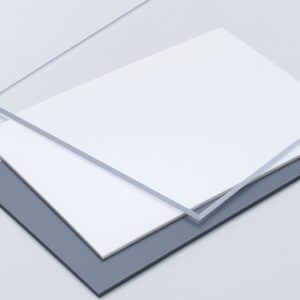
Polycarbonate Sheet (UV Resistant)
$101.20 – $3,554.07Price range: $101.20 through $3,554.07 Select options This product has multiple variants. The options may be chosen on the product page -
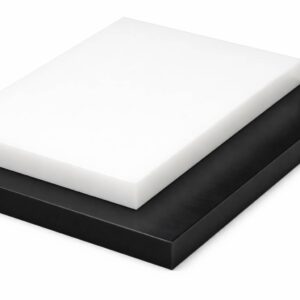
Seaboard HDPE (Marine Plastic)
$350.96 – $1,348.73Price range: $350.96 through $1,348.73 Select options This product has multiple variants. The options may be chosen on the product page -
Acrifix 192
$38.49 Add to cart
Typical Applications
Cabin side windows
Windscreen panels
Flybridge enclosures
Hatch glazing inserts
Sliding window panels
Hardtop glazing
Marine instrument covers
Replacement portlight panels
Key Performance Requirements
UV stability to prevent yellowing
Saltwater resistance
Moisture tolerance
Resistance to cleaning chemicals
Long-term optical clarity
Correct thickness for frame compatibility
Thermal expansion allowance
Proper hole sizing and spacing
Edge finishing to minimise stress concentration
Seal and gasket compatibility
Incorrect material choice or poor installation detailing can lead to cracking, leaks, or distortion.
Related Applications
Within Automotive, Transport & Fleet:
Vehicle Glazing & Windows
Caravan Window Replacements
Guards, Shields & Covers
Interior Panels & Linings
These applications share similar glazing and fabrication requirements.
Design & Installation Considerations
Allow for thermal expansion in marine heat
Avoid over-tightening fasteners
Use compatible marine-grade seals
Ensure adequate drainage around bonded installations
Confirm frame flatness before installation
Specify correct edge clearance in mechanical fixing systems
Clear, dimensioned drawings reduce installation risk and improve service life.
Alternative Options:
All components used in this application are manufactured in-house using controlled, drawing-led production processes. We do not supply generic or off-the-shelf products. Each part is produced to specification to meet defined mechanical, environmental, and installation requirements.
Frequently Asked Questions
Thickness must match the original frame system. Common ranges are 4–10mm depending on window size and exposure.
Polycarbonate offers superior impact resistance. Acrylic provides better scratch resistance and optical clarity.
Yes, thermoforming can be used where required, subject to geometry and material limits.
Yes, reverse engineering from a sample is possible where sufficient dimensional reference remains.
Yes. UV-stabilised grades are recommended for long-term exposure.
This application covers glazing panels. Hardware integration can be accommodated where specified.