


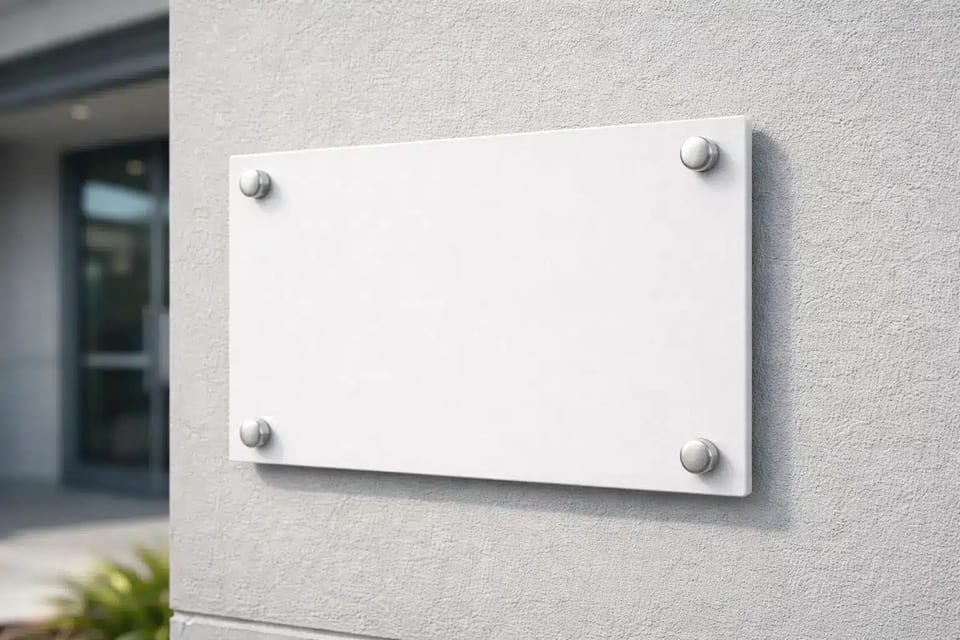
Name Plates & Plaques
Custom laser-engraved acrylic name plates and plaques for offices, homes, and awards. Bulk fit-outs and single custom orders welcome.
4.8 / 5
Google Rating
24hr
Quote Turnaround
Australia Wide
Delivery
Start Your Project
Partner with Australia's leading acrylic fabrication experts. We provide end-to-end support from material selection to final delivery.
Material Consultation
Our engineers help you select the optimal grade for your specific environmental and aesthetic requirements.
CAD Support
Send us your designs in DXF, DWG, or PDF. We review every file for structural integrity and precision cutting paths.
Fast Quoting
Receive a comprehensive technical specification and competitive quote within 24 hours of your submission.
Recommended Materials
Selecting the right base material for this application.
Acrylic Name Plates for Office, Home, and Award Use
Acrylic name plates and plaques give a clean, modern alternative to timber or metal, with the benefit of being lightweight, corrosion-proof, and available in a far wider range of colours and finishes. A laser-engraved acrylic name plate on an office door or desk reads as premium without the cost of engraved metal.
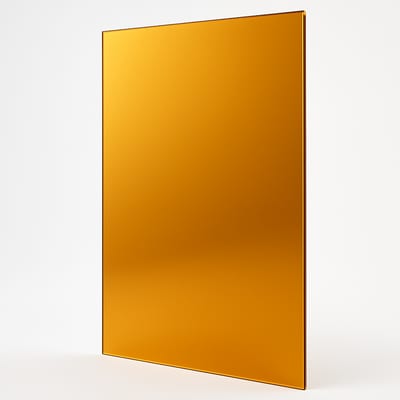
For award plaques and recognition boards, acrylic mirror sheet gives a bright, reflective backing that lifts an engraved logo or name in a way flat colour never quite matches.
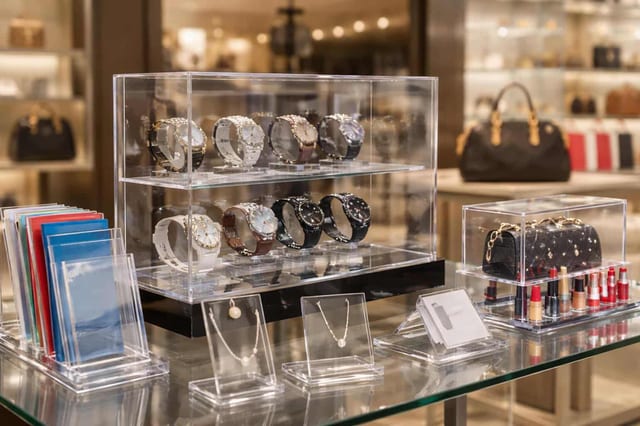
Engraving, Colour Fill, and Standoff Mounting
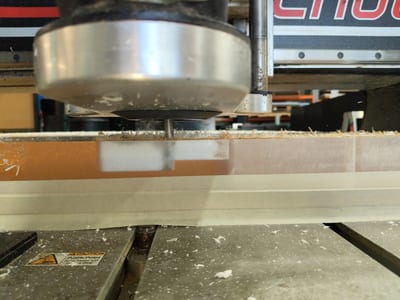
Our laser cutter engraves text and logos directly into the acrylic surface, with the engraved area optionally colour-filled with paint for maximum legibility, or left as a clean frosted engrave for a subtler, upmarket look. Standoff mounting holes can be added so plates sit slightly proud of a wall or door for a three-dimensional feel.
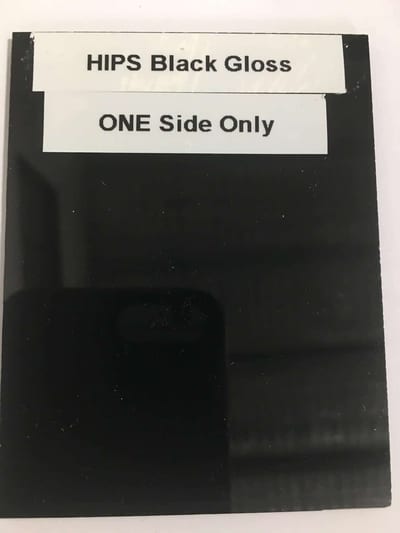
Tinted acrylic in black, navy, or bronze is a common choice for corporate name plates, giving a sophisticated look that still shows a crisp white or silver engraved name.
From Single Nameplates to Bulk Office Fit-Outs
We supply single custom name plates for retirement gifts, desk plates, and house number plaques, right through to bulk orders for office fit-outs where every door, meeting room, and desk needs a matching name plate produced to one consistent template.
Bulk orders benefit from set-up efficiencies once the first plate is approved, meaning subsequent plates in the batch are quick to reproduce accurately.
Outdoor Name Plates and Weather Resistance
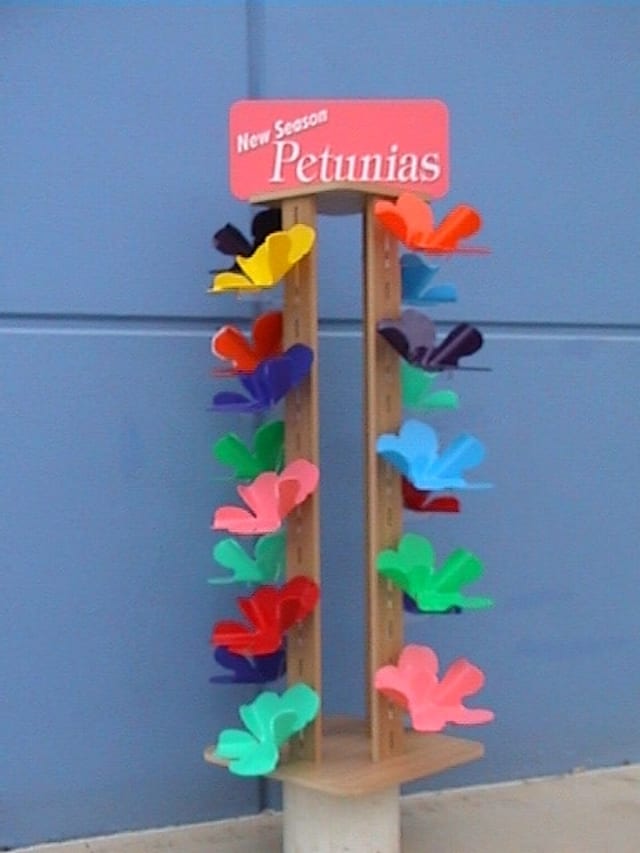
For outdoor applications such as house name plates, garden plaques, and external office signage, cast acrylic sheet holds its colour and engraving clarity far longer than cheaper plastics that yellow and become brittle after a year or two of UV exposure. Mounting hardware should be stainless steel or aluminium to match the longevity of the acrylic itself.
Thicker sheet (6-10mm) is recommended for external name plates to resist wind load and accidental impact, and raised lettering or deep-engraved text stays legible even after years of weathering.
Choosing the Right Finish for Plaques
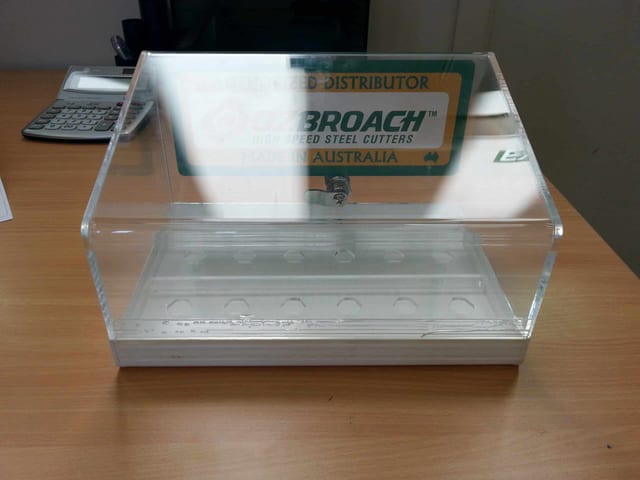
For award plaques that will be handled and displayed for years, thicker acrylic (5-10mm) gives a substantial, premium feel in the hand, while thinner sheet (3mm) suits budget-conscious desk name plates and door signage.
Send us your wording, logo, and preferred finish and we will produce a proof before cutting so you can confirm the exact layout before production.

Featured Products
Products commonly used for this application.
Services Involved
Our services relevant to this use case.
Need help with your name plates & plaques project?
Our engineers provide expert guidance on material selection, design optimisation, and fabrication.
Name Plates & Plaques FAQ
Can you engrave logos as well as text on name plates?
What is the difference between engraved and colour-filled name plates?
Can name plates be double-sided for desk use?
Do you do bulk orders for office door signage?
Will an acrylic name plate last outdoors?
More in Retail Display and Visual Merchandising
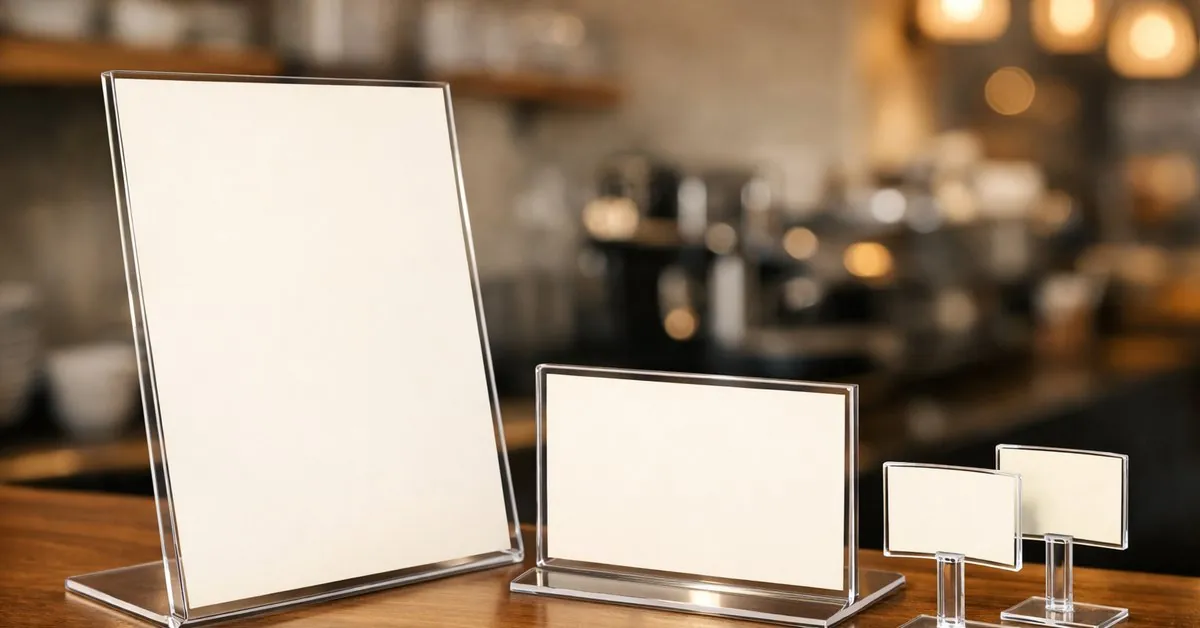
Acrylic Sign Holders, Menu Holders & Table Number Holders
Clear acrylic sign holders made to size: A4 and A5 slanted-back holders, L-shaped menu holders, T-shaped table number holders and wall-mounted pockets.
Read more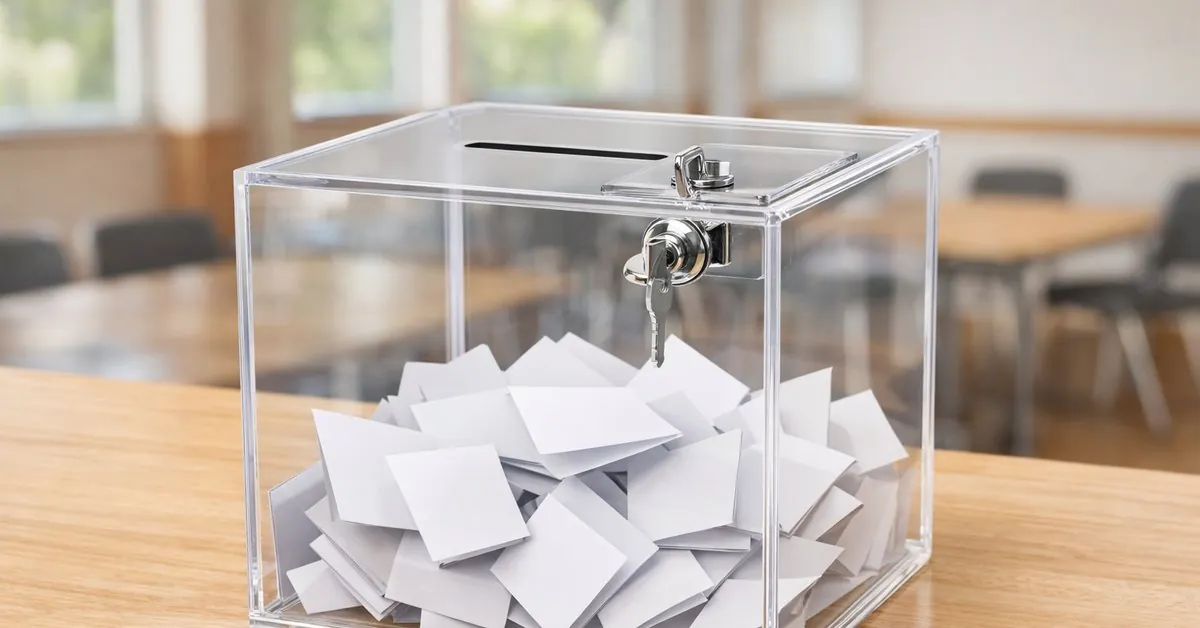
Clear Acrylic Ballot Boxes & Donation Boxes
Clear acrylic ballot boxes, donation boxes and suggestion boxes made to size, with a slot, lockable access door and optional branding.
Read more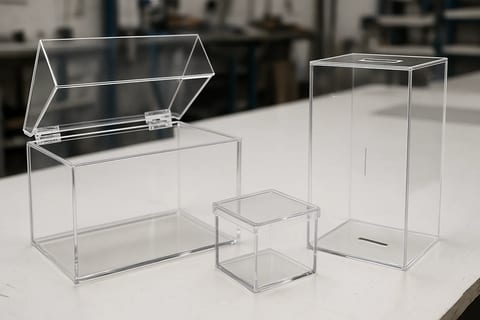
Custom Acrylic Boxes & Perspex Boxes
Custom acrylic boxes and Perspex boxes made to size, with lids, hinges, slots and polished edges. Display covers, donation boxes and storage boxes.
Read more
Acrylic Display Stands, Risers & Plinths
Custom acrylic display stands, risers and plinths cut, bent and bonded to size in clear, opal or coloured Perspex. Made for retail, galleries and events.
Read more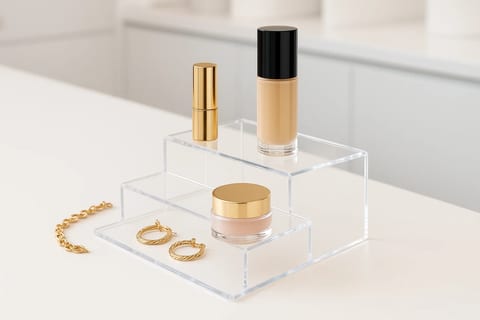
Acrylic Shelf Risers
Clear and opal acrylic shelf risers for retail displays, jewellery counters and product staging. Custom-cut tiered steps with flame-polished edges for professional visual merchandising.
Read more
Amusement Machine Replacement Glass
Custom acrylic and polycarbonate replacement panels for arcade, poker, and vending machines. Cut to match your machine's original dimensions.
Read moreRelated from other industries

Acrylic Secondary Glazing Panels for Windows
Clear acrylic and polycarbonate secondary glazing panels cut to size for DIY window insulation, noise reduction and draught proofing in homes and rentals.
Read more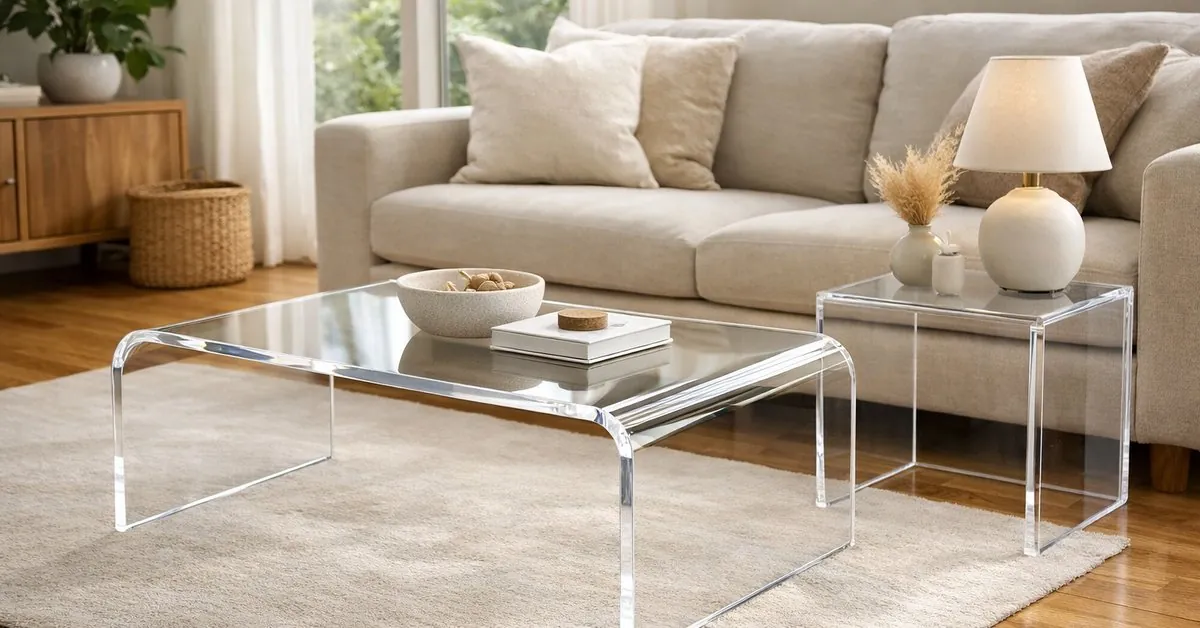
Acrylic Coffee Tables, Side Tables & Furniture
Clear acrylic coffee tables, side tables, consoles and benches made to size in thick cast acrylic, heat-bent into waterfall shapes with polished edges.
Read more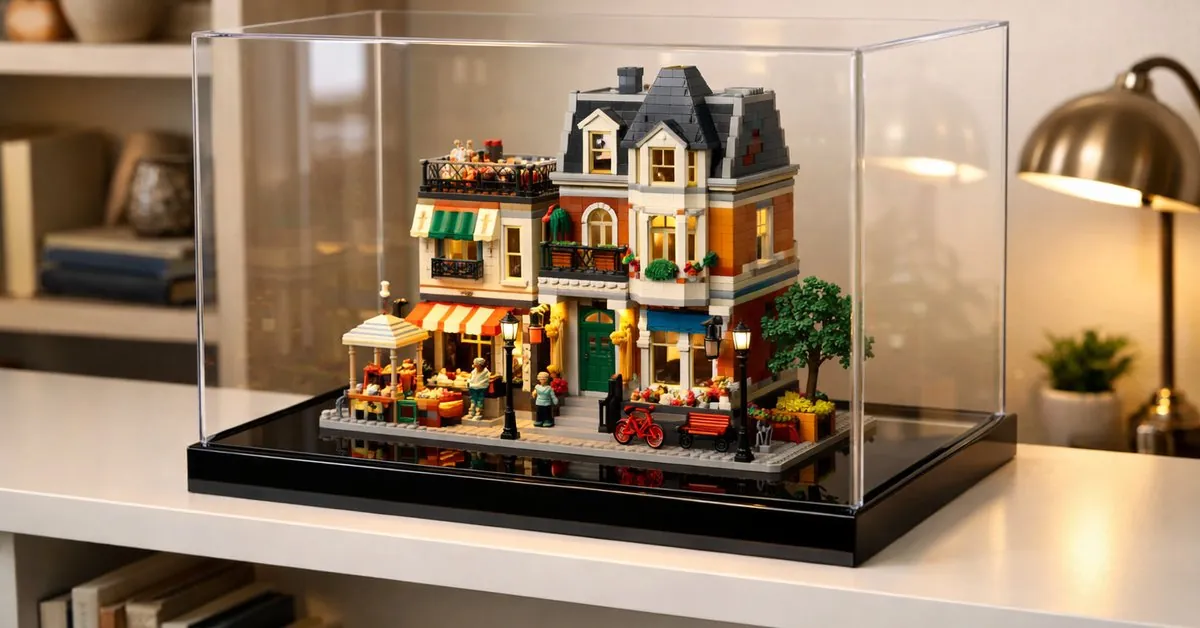
LEGO Display Cases in Clear Acrylic
Clear acrylic display cases made to size for LEGO sets and other brick models, with black or coloured bases, to keep dust off and the build on show.
Read moreReady to start your name plates & plaques project?
Join thousands of businesses across Australia who trust Perspex Online for precision-cut industrial plastics.
Guides & articles
Top 10 Ordering Mistakes With Plastic Materials (And How to Avoid Them)
Avoid common plastic ordering errors by selecting proper thickness, material type, and UV resistance; ensuring precise measurements; considering tolerances; and consulting suppliers for smooth, cost-effective projects.
Read guide →guidesThe Ultimate Guide to Choosing Cut-to-Size Plastic Sheets for Trade and DIY Projects
Guide to cut-to-size plastic sheets: choose the right material (acrylic for clarity, polycarbonate for strength), select proper thickness and finish for durability and look, and use precision cutting and custom fabrication for best results.
Read guide →fabricationFrom CAD to Cut: The Science and Technology Behind Precision Cut-to-Size Plastics
Perspex Online uses advanced CAD/CAM, CNC routing, and laser cutting technologies for precise, high-quality plastic fabrication. They offer diverse materials, eco-friendly options, instant quotes, nationwide delivery, and expert support.
Read guide →guidesTop Plastic Material Problems-and How Expert Cutting and Fabrication Prevent Them
Expert cutting and fabrication prevent common plastic issues like melting, chipping, cracking, and scratches. Precision CNC routing, laser cutting, and proper handling ensure durable, high-quality results.
Read guide →applicationsThe Role of Perspex Signage and Branding
What is Perspex Signage? Perspex Signage refers to signs made from Perspex, a brand name for high-quality acrylic sheet. These signs utilise the excellent clarity, durability, and light weight of acrylic to make effective visual communication. They have high optical clarity that allows for bright and readable graphics. Their durability ensures them to last long, […]
Read guide →fabricationTips for Cutting, Shaping, and Working with Plastic Materials
Plastic is a versatile material used for various projects, starting from simple crafts and up to the more complicated engineering designs. However, plastic can be very tricky if you do not know the proper ways of using it. Here are some tips in cutting, shaping, and working with plastic materials effectively: Choosing the Right Tools […]
Read guide →