



Greenhouses
Polycarbonate and acrylic glazing for greenhouses and shade houses. UV stable, insulating twin-wall sheet cut to size for DIY builds and commercial growers.
4.8 / 5
Google Rating
24hr
Quote Turnaround
Australia Wide
Delivery
Start Your Project
Partner with Australia's leading acrylic fabrication experts. We provide end-to-end support from material selection to final delivery.
Material Consultation
Our engineers help you select the optimal grade for your specific environmental and aesthetic requirements.
CAD Support
Send us your designs in DXF, DWG, or PDF. We review every file for structural integrity and precision cutting paths.
Fast Quoting
Receive a comprehensive technical specification and competitive quote within 24 hours of your submission.
Recommended Materials
Selecting the right base material for this application.
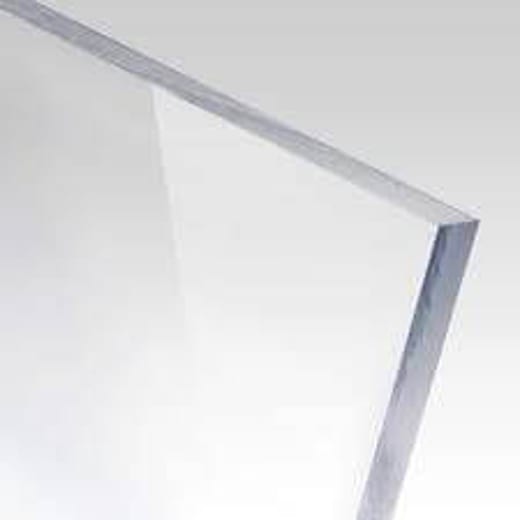
Glazing Your Greenhouse or Shade House
Whether you are building a backyard greenhouse for tomatoes and herbs, a hobby glasshouse, or a larger commercial growing structure, the glazing you choose determines how much light gets through, how well the structure holds heat, and how long it lasts against hail, wind and UV exposure.
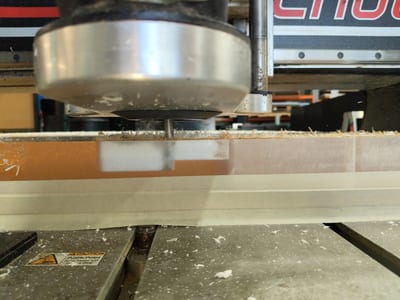
Plastic glazing has largely replaced glass for good reason. It is far lighter to handle on a ladder, will not shatter into dangerous shards, and cuts cleanly to any panel size with a standard router or fine tooth saw blade on site.
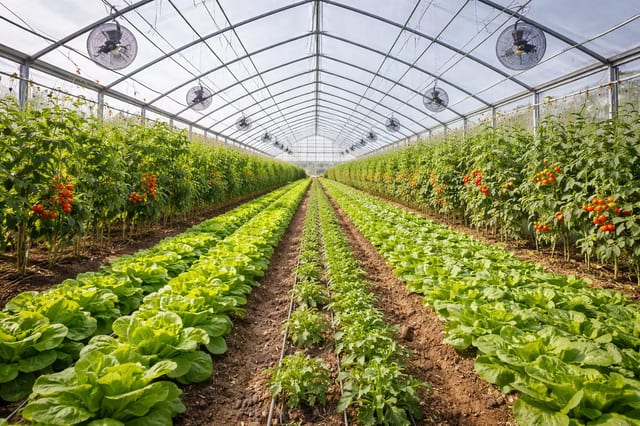
Material Options: Polycarbonate vs Acrylic
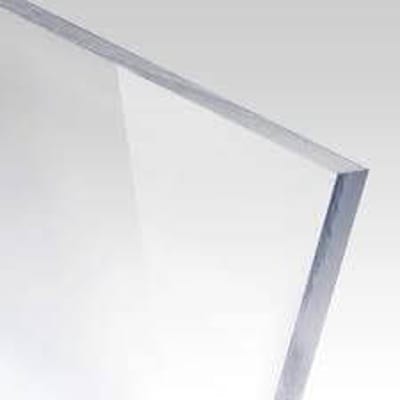
Polycarbonate is the standard for greenhouse roofing and walls. It is virtually unbreakable, meaning hail and stray tools or falling branches will not put a hole in your roof, and twin-wall and multiwall profiles trap an insulating air gap that helps buffer against overnight temperature drops.
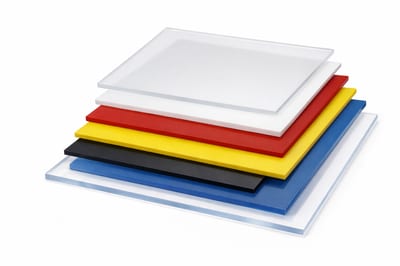
Acrylic offers the clearest light transmission of any plastic glazing, close to glass, which makes it well suited to side walls, cold frames, and propagation boxes where maximum light clarity matters more than impact resistance. A frosted or opal acrylic diffuser panel can also be used to soften harsh midday sun on delicate seedlings.
Sizing and Thickness Guidance
Flat polycarbonate roofing sheet is generally used from 3-6 mm, matched to your rafter spacing and expected wind or hail load. For an insulated, twin-wall panel structure, 10 mm is the common standard for a backyard greenhouse, stepping up to 16-25 mm for colder climates, larger spans, or commercial glasshouse builds where heat retention overnight really matters.
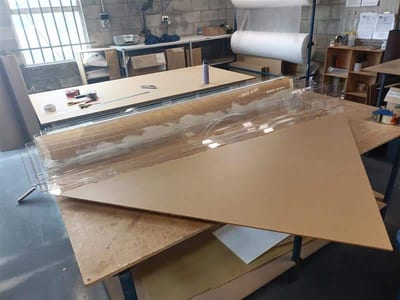
Send us your frame or rafter dimensions and we will cut every roof and wall panel to the exact size, so there is no on-site trimming and every panel drops straight into the frame.
Installation Tips for a Weathertight Build
Always allow a small expansion gap around each panel edge, since polycarbonate and acrylic both expand and contract more than glass with temperature swings. Use purpose-made H-section or U-channel glazing bar and tape the open cell ends of twin-wall sheet to stop dust, insects and moisture wicking into the flutes.
Fix panels with rubber-washered screws rather than driving straight through the sheet, and orient twin-wall flutes vertically on roof slopes so any internal condensation drains away rather than pooling.
Why Perspex Online for Greenhouse Glazing
Get a quote for your greenhouse project through our pricing calculator for instant cut-to-size pricing on polycarbonate and acrylic panels, cut to your exact frame dimensions and shipped Australia-wide from our Gold Coast workshop.
Growers from backyard hobbyists to commercial nurseries trust us for UV stable, weather-ready glazing that holds up season after season.
Featured Products
Products commonly used for this application.
Services Involved
Our services relevant to this use case.
Need help with your greenhouses project?
Our engineers provide expert guidance on material selection, design optimisation, and fabrication.
Greenhouses FAQ
Is polycarbonate or acrylic better for a greenhouse roof?
Does polycarbonate greenhouse sheet block harmful UV?
What thickness should I use for a greenhouse roof panel?
Can you cut polycarbonate sheet to fit my existing greenhouse frame?
Will the panels condensate or fog up inside?
More in Building Construction and Infrastructure
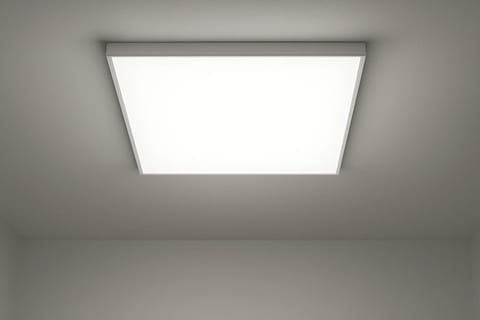
Acrylic Light Diffuser Panels
Opal and diffuser acrylic and polycarbonate panels for even LED light spread in troffers, signage, and ceiling installations. Cut-to-size service available.
Read more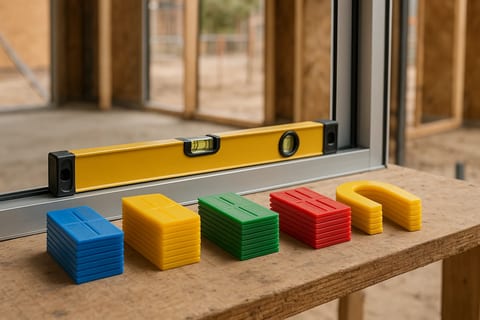
Plastic Packers, Shims & Window Packers
Window packers, horseshoe packers, glazing packers, and load-bearing plastic shims cut to any size and thickness. Trade quantities, custom sizes, and fast Australia-wide delivery.
Read more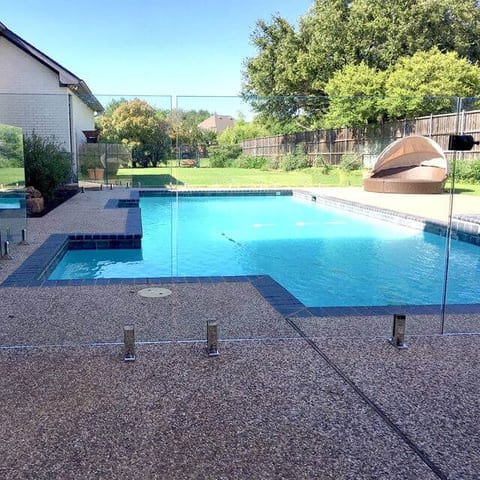
Acrylic Balustrades
Acrylic and polycarbonate balustrade panels as a lightweight, shatterproof alternative to glass. Cut to size for decks, stairs, mezzanines, and pool fencing.
Read more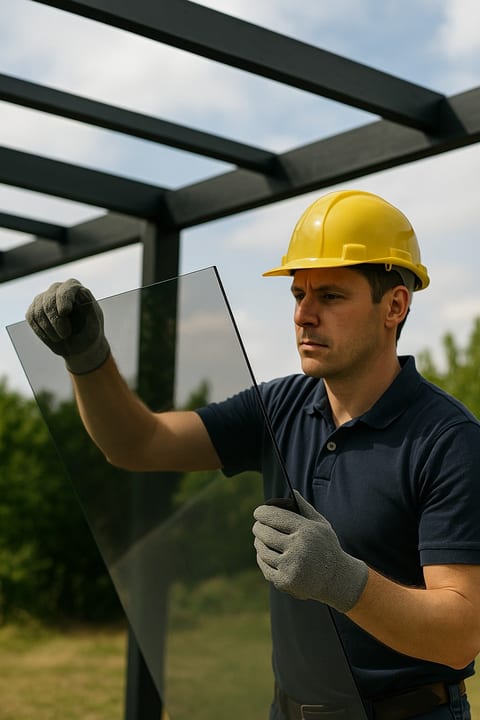
Pergola Roofing Panels
Polycarbonate pergola roofing panels cut to size. Transform open pergolas into weatherproof outdoor living spaces with clear, opal, or tinted roofing.
Read more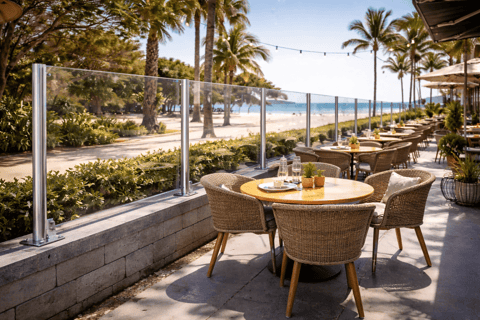
Patio Roofing Panels
Polycarbonate patio roofing panels cut to size. Clear, opal, and tinted options for covered patios, alfresco areas, and outdoor entertaining spaces.
Read more
Polycarbonate Roofing Sheets
Polycarbonate roofing sheets cut to size for patios, pergolas, carports, and skylights. UV-protected, virtually unbreakable, and available in clear, opal, and tinted finishes.
Read moreRelated from other industries

Acrylic & Perspex Shelves Cut to Size
Clear acrylic and Perspex shelves cut to size with polished edges. Floating, bathroom and retail shelves, with thickness guidance by span and load.
Read more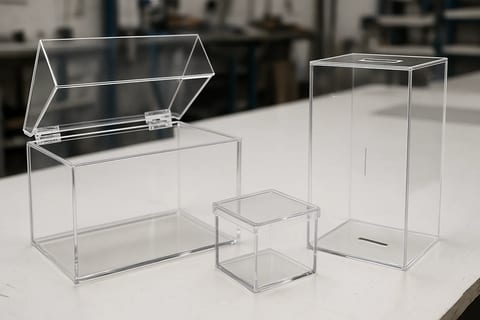
Custom Acrylic Boxes & Perspex Boxes
Custom acrylic boxes and Perspex boxes made to size, with lids, hinges, slots and polished edges. Display covers, donation boxes and storage boxes.
Read more
Acrylic Display Stands, Risers & Plinths
Custom acrylic display stands, risers and plinths cut, bent and bonded to size in clear, opal or coloured Perspex. Made for retail, galleries and events.
Read moreReady to start your greenhouses project?
Join thousands of businesses across Australia who trust Perspex Online for precision-cut industrial plastics.
Guides & articles
Top 10 Ordering Mistakes With Plastic Materials (And How to Avoid Them)
Avoid common plastic ordering errors by selecting proper thickness, material type, and UV resistance; ensuring precise measurements; considering tolerances; and consulting suppliers for smooth, cost-effective projects.
Read guide →guidesThe Ultimate Guide to Choosing Cut-to-Size Plastic Sheets for Trade and DIY Projects
Guide to cut-to-size plastic sheets: choose the right material (acrylic for clarity, polycarbonate for strength), select proper thickness and finish for durability and look, and use precision cutting and custom fabrication for best results.
Read guide →fabricationFrom CAD to Cut: The Science and Technology Behind Precision Cut-to-Size Plastics
Perspex Online uses advanced CAD/CAM, CNC routing, and laser cutting technologies for precise, high-quality plastic fabrication. They offer diverse materials, eco-friendly options, instant quotes, nationwide delivery, and expert support.
Read guide →guidesTop Plastic Material Problems-and How Expert Cutting and Fabrication Prevent Them
Expert cutting and fabrication prevent common plastic issues like melting, chipping, cracking, and scratches. Precision CNC routing, laser cutting, and proper handling ensure durable, high-quality results.
Read guide →applicationsThe Role of Perspex Signage and Branding
What is Perspex Signage? Perspex Signage refers to signs made from Perspex, a brand name for high-quality acrylic sheet. These signs utilise the excellent clarity, durability, and light weight of acrylic to make effective visual communication. They have high optical clarity that allows for bright and readable graphics. Their durability ensures them to last long, […]
Read guide →fabricationTips for Cutting, Shaping, and Working with Plastic Materials
Plastic is a versatile material used for various projects, starting from simple crafts and up to the more complicated engineering designs. However, plastic can be very tricky if you do not know the proper ways of using it. Here are some tips in cutting, shaping, and working with plastic materials effectively: Choosing the Right Tools […]
Read guide →