


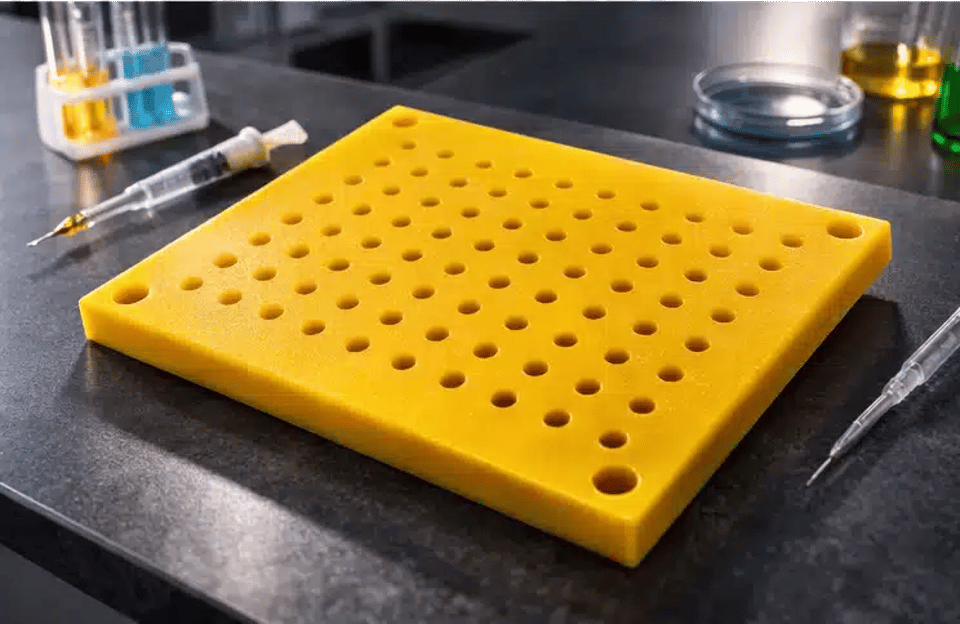
Laboratory Panels
Chemical-resistant plastic panels for laboratory benches, fume hoods and equipment enclosures. Acrylic, PVC and acetal, cut to size in Australia.
4.8 / 5
Google Rating
24hr
Quote Turnaround
Australia Wide
Delivery
Start Your Project
Partner with Australia's leading acrylic fabrication experts. We provide end-to-end support from material selection to final delivery.
Material Consultation
Our engineers help you select the optimal grade for your specific environmental and aesthetic requirements.
CAD Support
Send us your designs in DXF, DWG, or PDF. We review every file for structural integrity and precision cutting paths.
Fast Quoting
Receive a comprehensive technical specification and competitive quote within 24 hours of your submission.
Recommended Materials
Selecting the right base material for this application.
Custom Panels for Labs, Benches and Fume Hoods
Laboratories, testing facilities and research benches need panels, screens and enclosure parts that stand up to regular contact with chemicals, cleaning agents and repeated wipe-downs, cut to exact bench and equipment dimensions rather than adapted from a generic panel.
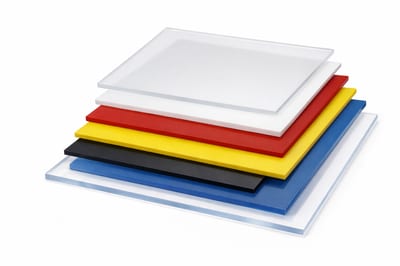
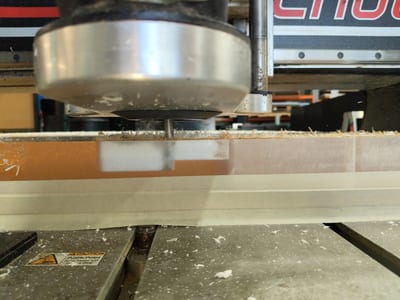
Perspex Online fabricates acrylic, PVC and acetal panels for lab furniture, fume hood components and equipment housings, machined on our own CNC equipment so tolerances stay tight across every panel in a fitout.

Choosing a Chemical-Resistant Plastic
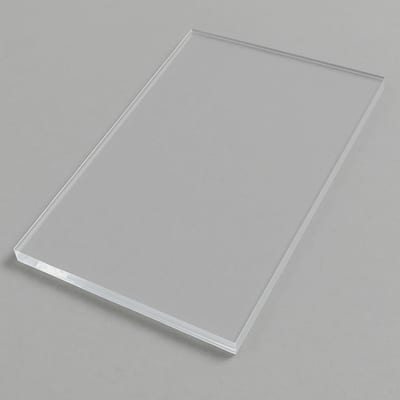
Acrylic sheet is a common choice for splash screens, viewing panels and light fixtures because of its clarity and ease of fabrication, though it is less suited to prolonged exposure to strong solvents.
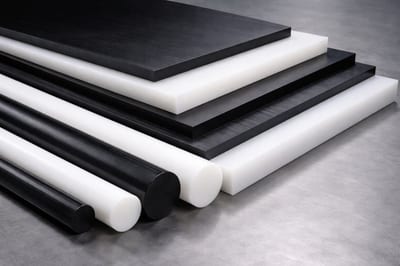
Rigid PVC handles a broader range of chemical exposure and is often used for bench linings, tray inserts and fume cupboard components, while acetal is the material of choice for precision-machined parts such as valve bodies, spacers and mechanism components where dimensional stability under load matters.

Fume Hood Sashes and Splash Screens
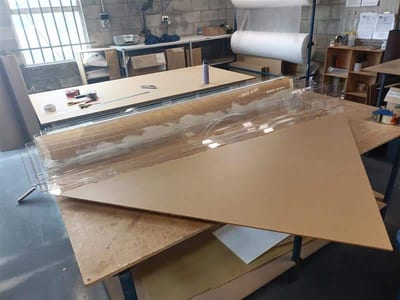
We cut and machine fume hood sashes, sliding sash guides and splash screens to the dimensions of your existing hood or bench, matching thickness and edge profile to fit smoothly into the existing frame.
Splash screens and bench dividers can be laser-cut with clean, polished edges for a professional finish that also reduces the risk of chipping during regular cleaning.
Machined Components for Lab Equipment and Fixtures
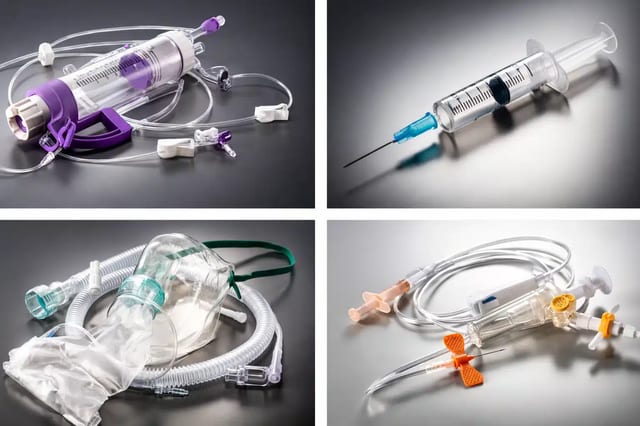
Beyond flat panels, we CNC-machine small components for lab equipment and fixtures, including mounting brackets, jig plates, spacers and test rig parts, in acetal or nylon where strength and consistent tolerance matter more than chemical exposure.
One-off prototype parts and small batch runs are both straightforward to quote, so a single research bench and a full multi-lab fitout are equally easy to fabricate.
Fabricating Panels for Labs and Research Facilities
We work with lab furniture installers, facilities teams and research institutions across Australia, supplying panels and machined parts cut to drawing or sample dimensions.
All work is fabricated on the Gold Coast and shipped nationwide, priced ex GST based on material and specification. Get a quote for your laboratory panel or component order.
Featured Products
Products commonly used for this application.
Services Involved
Our services relevant to this use case.
Need help with your laboratory panels project?
Our engineers provide expert guidance on material selection, design optimisation, and fabrication.
Laboratory Panels FAQ
What plastic is most chemical-resistant for lab use?
Can you cut a replacement fume hood sash?
Do you supply small precision-machined lab components?
Can panels be supplied with polished or chamfered edges?
Do you handle both one-off and multi-lab fitout orders?
More in Food Health and Medical
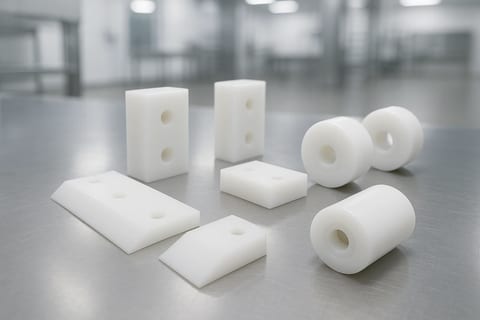
Food Processing Machine Parts & Scraper Blades
CNC-machined food-grade HDPE scraper blades, paddles, guides, and change parts for food processing equipment. Metal-detectable options, machined to drawing, delivered Australia-wide.
Read more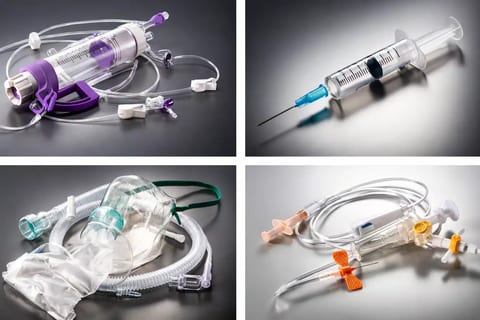
Medical Equipment Components
Precision-machined plastic components for medical device housings, fixtures and equipment parts. Acetal, nylon and acrylic, CNC-machined to spec.
Read more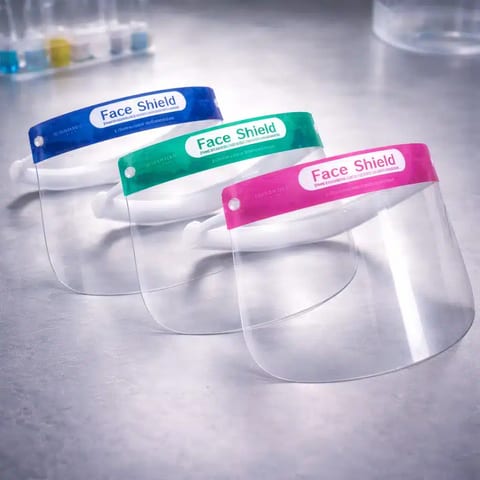
Protective Medical Screens
Clear acrylic and polycarbonate screens for reception counters, pharmacy counters and clinical spaces. Cut to size with pass-through options.
Read more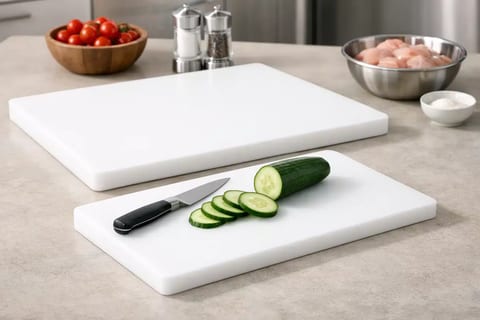
Food Cutting Boards
Food-grade HDPE and UHMWPE cutting boards, cut to size for commercial kitchens, butcheries and food processing. Colour-coded options available.
Read moreRelated from other industries

Acrylic & Perspex Shelves Cut to Size
Clear acrylic and Perspex shelves cut to size with polished edges. Floating, bathroom and retail shelves, with thickness guidance by span and load.
Read more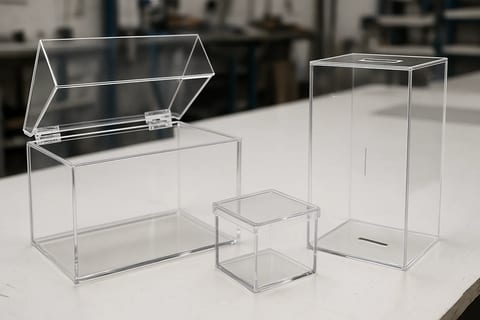
Custom Acrylic Boxes & Perspex Boxes
Custom acrylic boxes and Perspex boxes made to size, with lids, hinges, slots and polished edges. Display covers, donation boxes and storage boxes.
Read more
Acrylic Display Stands, Risers & Plinths
Custom acrylic display stands, risers and plinths cut, bent and bonded to size in clear, opal or coloured Perspex. Made for retail, galleries and events.
Read moreReady to start your laboratory panels project?
Join thousands of businesses across Australia who trust Perspex Online for precision-cut industrial plastics.
Guides & articles
Top 10 Ordering Mistakes With Plastic Materials (And How to Avoid Them)
Avoid common plastic ordering errors by selecting proper thickness, material type, and UV resistance; ensuring precise measurements; considering tolerances; and consulting suppliers for smooth, cost-effective projects.
Read guide →applicationsPlastic Wear Parts for Conveyor Belts: Materials, Applications, and Buying Guide
Conveyor Belts Conveyor belts fail for one simple reason: wear. Friction, abrasion, impact, moisture, and contamination slowly destroy metal components and belts, driving up downtime and maintenance costs. That is why plastic wearable parts on conveyor belts are now standard across food processing, packaging, mining, recycling, and manufacturing lines. This guide breaks down where plastic […]
Read guide →guidesThe Ultimate Guide to Choosing Cut-to-Size Plastic Sheets for Trade and DIY Projects
Guide to cut-to-size plastic sheets: choose the right material (acrylic for clarity, polycarbonate for strength), select proper thickness and finish for durability and look, and use precision cutting and custom fabrication for best results.
Read guide →fabricationFrom CAD to Cut: The Science and Technology Behind Precision Cut-to-Size Plastics
Perspex Online uses advanced CAD/CAM, CNC routing, and laser cutting technologies for precise, high-quality plastic fabrication. They offer diverse materials, eco-friendly options, instant quotes, nationwide delivery, and expert support.
Read guide →guidesTop Plastic Material Problems-and How Expert Cutting and Fabrication Prevent Them
Expert cutting and fabrication prevent common plastic issues like melting, chipping, cracking, and scratches. Precision CNC routing, laser cutting, and proper handling ensure durable, high-quality results.
Read guide →materials7 Types of Plastic and Their Resin Identification Codes (RICs)
We’re surrounded by plastic-from food containers to clothing, it is very unmistakably a part of modern life. Not all plastics are created equal, though. Knowing the various kinds of plastic and their corresponding Resin Identification Codes (RICs) is fundamental to recycling and reuse, as well as in choosing products we consume. The resins used for […]
Read guide →