


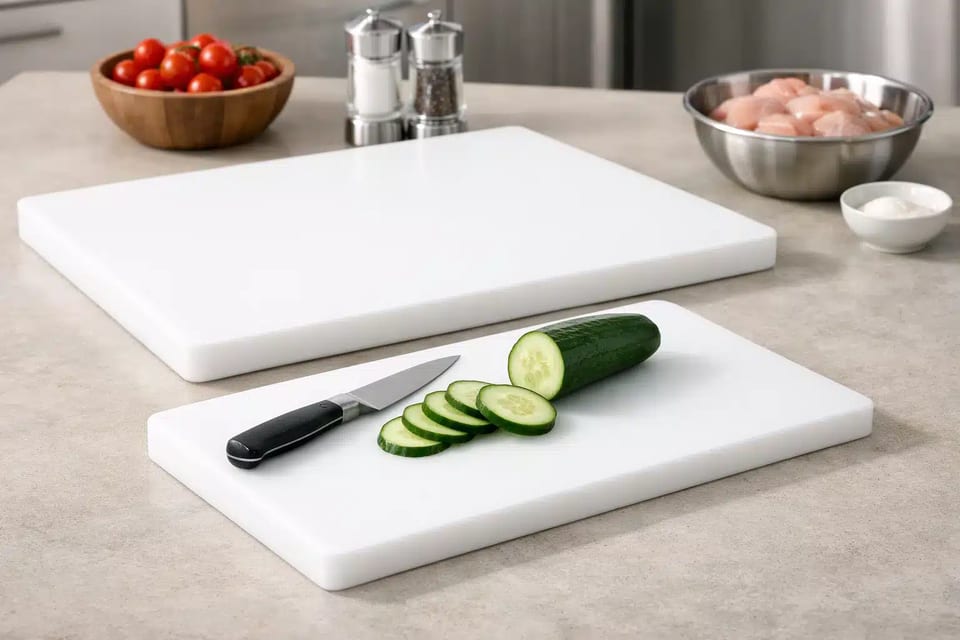
Food Cutting Boards
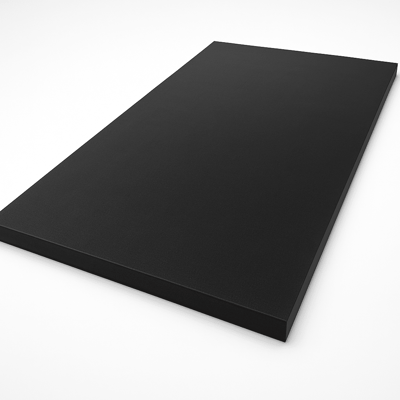
Food-grade HDPE and UHMWPE cutting boards, cut to size for commercial kitchens, butcheries and food processing. Colour-coded options available.
4.8 / 5
Google Rating
24hr
Quote Turnaround
Australia Wide
Delivery
Start Your Project
Partner with Australia's leading acrylic fabrication experts. We provide end-to-end support from material selection to final delivery.
Material Consultation
Our engineers help you select the optimal grade for your specific environmental and aesthetic requirements.
CAD Support
Send us your designs in DXF, DWG, or PDF. We review every file for structural integrity and precision cutting paths.
Fast Quoting
Receive a comprehensive technical specification and competitive quote within 24 hours of your submission.
Recommended Materials
Selecting the right base material for this application.
Food-Grade Cutting Boards Cut to Your Kitchen
Commercial kitchens, butcheries and food processing lines need cutting boards sized to fit specific bench sections, prep stations or machinery, not just the standard sizes sold off the shelf at a catering supplier.
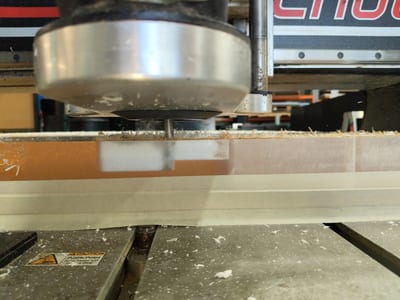
Perspex Online cuts food-grade HDPE and UHMWPE sheet to any size and shape you need, from a single custom board for a new prep bench to a batch order for a full commercial kitchen fitout.

HDPE vs UHMWPE: Which Board Material to Choose
HDPE is the standard material for cutting boards because it is dense, knife-friendly and holds up to constant washing and sanitising without warping. It is the material most commercial kitchens already use and is readily available in the colour range needed for HACCP colour coding.
UHMWPE is a step up in durability and impact resistance, and is often chosen for high-throughput butchery and meat processing boards that see heavy daily use with cleavers and band saws, where extra wear resistance pays for itself over time.
Colour-Coded Boards for HACCP Compliance
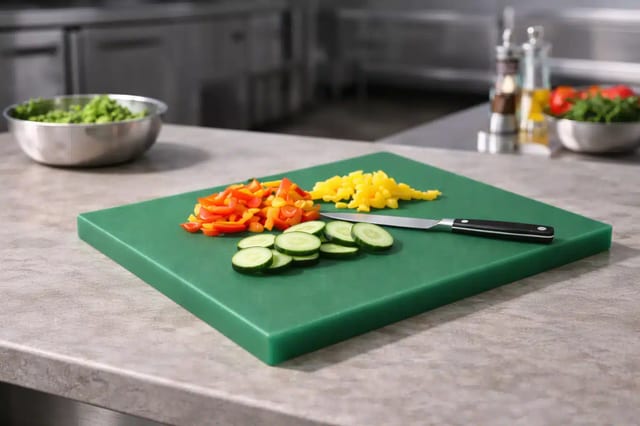
Colour-coded boards, red for raw meat, blue for seafood, green for fruit and vegetables, yellow for cooked meat, and white for dairy and bakery, are a standard part of most commercial kitchen food safety plans, and we can supply full sets in matching colours cut to your exact bench dimensions.
Having boards cut to size rather than trimmed down from a generic sheet means every board sits flush in its allocated space, reducing the gaps and overhangs that trap food debris and make cleaning harder.
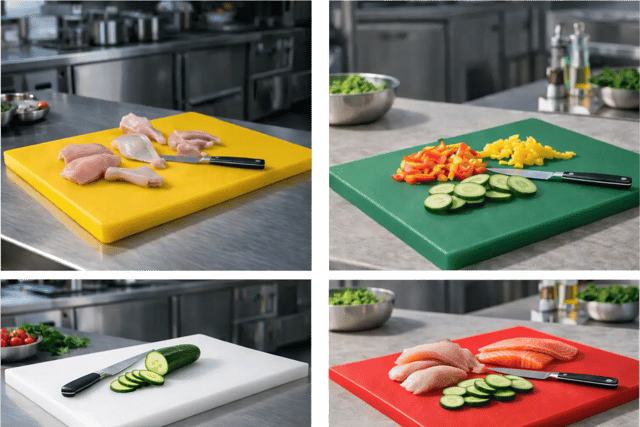
Custom Shapes, Sizes and Edge Finishes
We can round corners, chamfer edges or cut finger holes into boards to match your existing set, and machine boards for specific equipment such as slicers, mincers or vacuum sealers where the board needs to fit around a base or guard.
Thickness options typically range from 10mm boards for light prep work up to 20mm or more for heavy-duty butchery boards that need to resist bowing under constant use.
Ordering Cutting Boards for Commercial Kitchens
Send us your bench measurements, required colours and quantities, and we will cut a matching set of food-grade boards ready to install straight from the box.
All boards are cut on the Gold Coast from certified food-grade HDPE and UHMWPE sheet and shipped Australia-wide, with ex GST pricing based on size and quantity. Get a quote for your kitchen's cutting boards.
Featured Products
Products commonly used for this application.
Services Involved
Our services relevant to this use case.
Need help with your food cutting boards project?
Our engineers provide expert guidance on material selection, design optimisation, and fabrication.
Food Cutting Boards FAQ
Is HDPE sheet food safe?
Can you supply colour-coded boards for HACCP compliance?
What is the difference between HDPE and UHMWPE for cutting boards?
What thickness cutting board should I choose?
Can you cut boards to fit around a slicer or mincer base?
More in Food Health and Medical
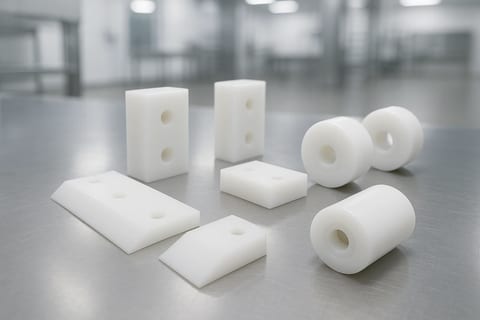
Food Processing Machine Parts & Scraper Blades
CNC-machined food-grade HDPE scraper blades, paddles, guides, and change parts for food processing equipment. Metal-detectable options, machined to drawing, delivered Australia-wide.
Read more
Medical Equipment Components
Precision-machined plastic components for medical device housings, fixtures and equipment parts. Acetal, nylon and acrylic, CNC-machined to spec.
Read more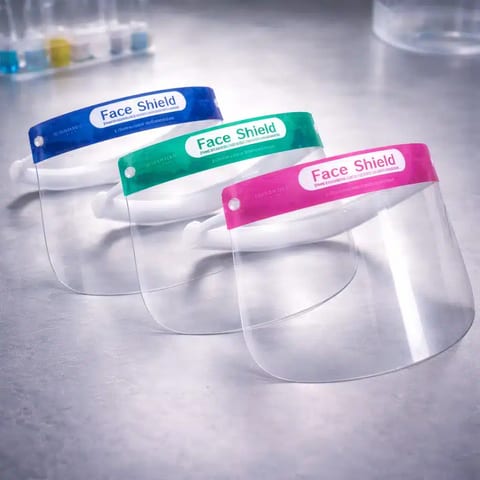
Protective Medical Screens
Clear acrylic and polycarbonate screens for reception counters, pharmacy counters and clinical spaces. Cut to size with pass-through options.
Read more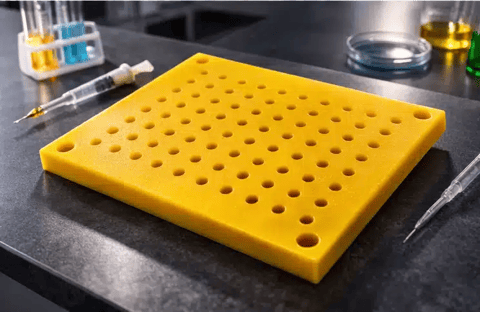
Laboratory Panels
Chemical-resistant plastic panels for laboratory benches, fume hoods and equipment enclosures. Acrylic, PVC and acetal, cut to size in Australia.
Read moreRelated from other industries
Engineering Plastic Trade Names & Equivalents
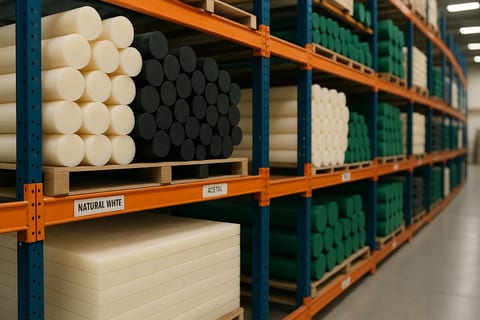
Cross-reference guide to engineering plastic trade names. Ertalon, Sustamid, Nylatron, Ertacetal, Sustarin, Polystone, Tivar, Ertalyte, and Simona matched to the nylon, acetal, UHMWPE, PET, and PVC we supply.
Read more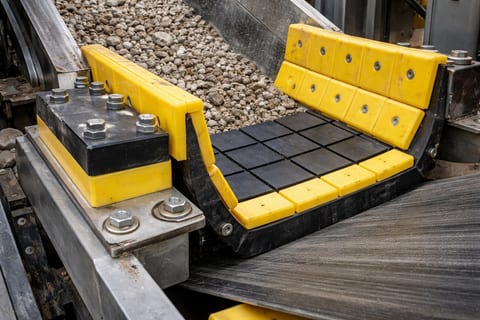
Conveyor Skirting & Transfer Point Sealing
UHMWPE and HDPE conveyor skirting boards, skirt liners, and transfer point sealing strips. Stop spillage and dust at load zones, cut to your chute and skirt dimensions.
Read more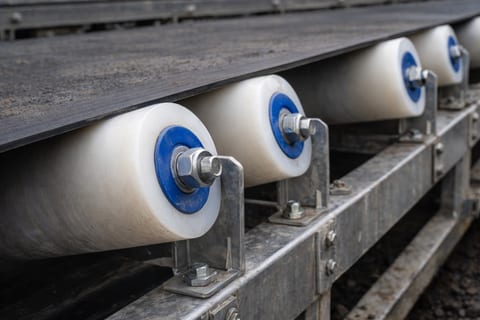
Plastic Sheaves, Pulleys & Rollers
Machined nylon and UHMWPE sheaves, rope pulleys, cable rollers, and guide wheels. Lighter than steel, kind to ropes and cables, machined to your drawing.
Read moreReady to start your food cutting boards project?
Join thousands of businesses across Australia who trust Perspex Online for precision-cut industrial plastics.
Guides & articles
Top 10 Ordering Mistakes With Plastic Materials (And How to Avoid Them)
Avoid common plastic ordering errors by selecting proper thickness, material type, and UV resistance; ensuring precise measurements; considering tolerances; and consulting suppliers for smooth, cost-effective projects.
Read guide →applicationsPlastic Wear Parts for Conveyor Belts: Materials, Applications, and Buying Guide
Conveyor Belts Conveyor belts fail for one simple reason: wear. Friction, abrasion, impact, moisture, and contamination slowly destroy metal components and belts, driving up downtime and maintenance costs. That is why plastic wearable parts on conveyor belts are now standard across food processing, packaging, mining, recycling, and manufacturing lines. This guide breaks down where plastic […]
Read guide →guidesThe Ultimate Guide to Choosing Cut-to-Size Plastic Sheets for Trade and DIY Projects
Guide to cut-to-size plastic sheets: choose the right material (acrylic for clarity, polycarbonate for strength), select proper thickness and finish for durability and look, and use precision cutting and custom fabrication for best results.
Read guide →materials7 Types of Plastic and Their Resin Identification Codes (RICs)
We’re surrounded by plastic-from food containers to clothing, it is very unmistakably a part of modern life. Not all plastics are created equal, though. Knowing the various kinds of plastic and their corresponding Resin Identification Codes (RICs) is fundamental to recycling and reuse, as well as in choosing products we consume. The resins used for […]
Read guide →fabricationTips for Cutting, Shaping, and Working with Plastic Materials
Plastic is a versatile material used for various projects, starting from simple crafts and up to the more complicated engineering designs. However, plastic can be very tricky if you do not know the proper ways of using it. Here are some tips in cutting, shaping, and working with plastic materials effectively: Choosing the Right Tools […]
Read guide →latest newsHistory of Australian Care
From the moment we wake up to the time we go to bed, we are surrounded by plastic products. It is hard to imagine a world without plastic, as it has become so ubiquitous. The convenience and versatility of plastic have made it a popular material in every industry. However, with every passing day, the […]
Read guide →