
Air Conditioner Covers
Overview
In commercial applications, covers are typically manufactured to suit specific condenser dimensions, mounting layouts, and ventilation requirements. They must protect the unit without restricting airflow or compromising performance.
Plastic fabrication is frequently specified where corrosion resistance, weight reduction, and long-term outdoor durability are required.
Installation Environments
Air conditioner covers are used in:
Commercial office buildings
Apartment and residential complexes
Schools and public facilities
Hospitals and healthcare buildings
Retail centres
Industrial workshops
Coastal and high-corrosion environments
Environmental exposure may include direct sunlight, wind-driven rain, salt air, dust, and mechanical impact.
Functional Objectives
Air conditioner covers are typically designed to:
Protect external condenser units
Reduce visual impact on façades
Prevent debris ingress
Limit vandalism or accidental damage
Shield from hail and weather exposure
Provide safe separation from public areas
Ventilation must remain adequate to prevent overheating and system inefficiency.
Recommended Materials for Air Conditioner Covers
Popular Air Conditioner Covers
-
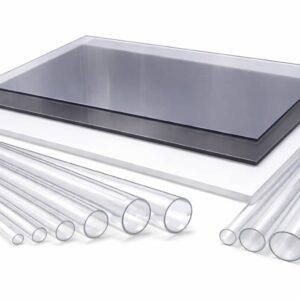
Acrylic Sheet (Perspex)
$60.00 – $2,672.40Price range: $60.00 through $2,672.40 Select options This product has multiple variants. The options may be chosen on the product page -
Polycarbonate Sheet (UV Resistant)
$101.20 – $3,396.60Price range: $101.20 through $3,396.60 Select options This product has multiple variants. The options may be chosen on the product page -
PETG Sheets
$55.20 – $256.19Price range: $55.20 through $256.19 Select options This product has multiple variants. The options may be chosen on the product page
Fabrication & Processing
Air conditioner covers are manufactured using:
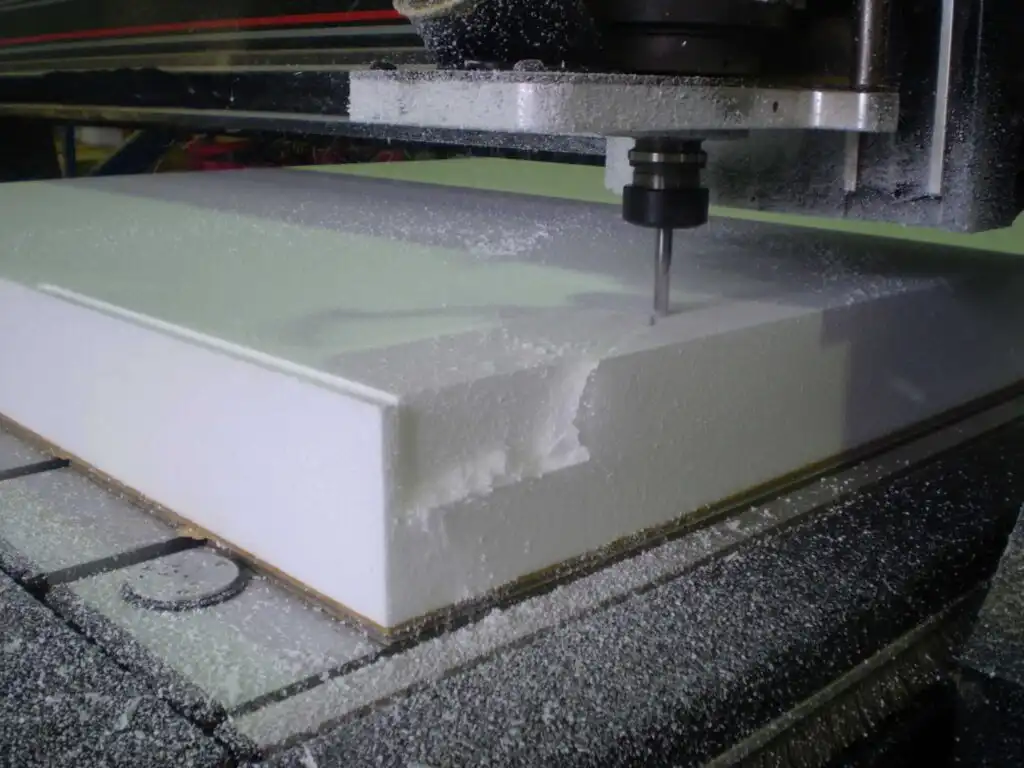
CNC routing for precise panel sizing
Plastic bending for formed sides
Plastic welding for structural assembly
Laser cutting for ventilation patterns
Mechanical fastening for removable panels
Ventilation slots or perforations are incorporated to maintain airflow while preserving protection.
Process selection is determined by material type, thickness, and installation method.
Design & Engineering Considerations
Before fabrication, drawings should define:
External unit dimensions
Required clearances
Mounting bracket positions
Airflow direction
Wind load classification
Access panel requirements
Incorrect enclosure design can restrict airflow and reduce system efficiency.
Performance Requirements
Mechanical
Impact resistance
Structural rigidity without excessive weight
Stability in high-wind areas
Secure mounting to walls or frames
Environmental
UV resistance
Corrosion resistance
Resistance to temperature fluctuation
Moisture tolerance
Long-term colour stability (where visible)
Common Cover Configurations
Air conditioner covers may be supplied as:
Box-style enclosures
Louvered screen covers
Wall-mounted shrouds
Roof-mounted protective housings
Equipment yard screening panels
Custom-formed façade-integrated covers
Dimensions are typically tailored to specific unit sizes and mounting positions.
Alternative Options:
All components used in this application are manufactured in-house using controlled, drawing-led production processes. We do not supply generic or off-the-shelf products. Each part is produced to specification to meet defined mechanical, environmental, and installation requirements.
Frequently Asked Questions
Yes, covers are produced to suit exact unit dimensions and mounting layouts.
Properly designed covers incorporate ventilation features to maintain airflow and performance.
Yes, corrosion-resistant plastic materials are commonly used in coastal areas.
Thickness depends on size and exposure, typically ranging from 6mm to 12mm for rigid panels.
Yes, access panels or removable sections can be incorporated.
Polycarbonate and thicker HDPE grades provide improved impact resistance.