
Gym Wall Mirrors | Perspex Online

Perspex Online

Gym Wall Mirrors

Union | Perspex Online
Gym Wall | Perspex Online

Overview

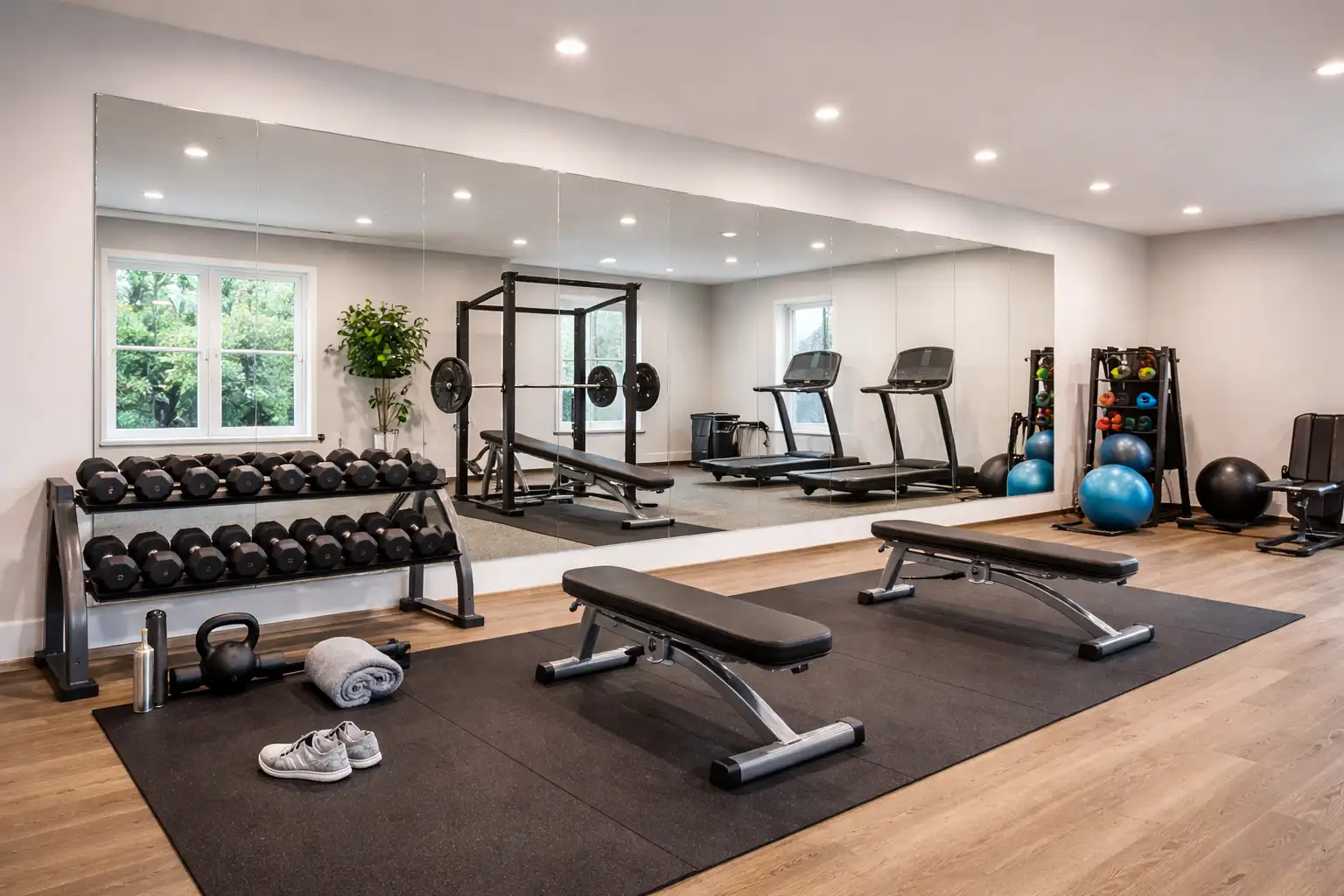
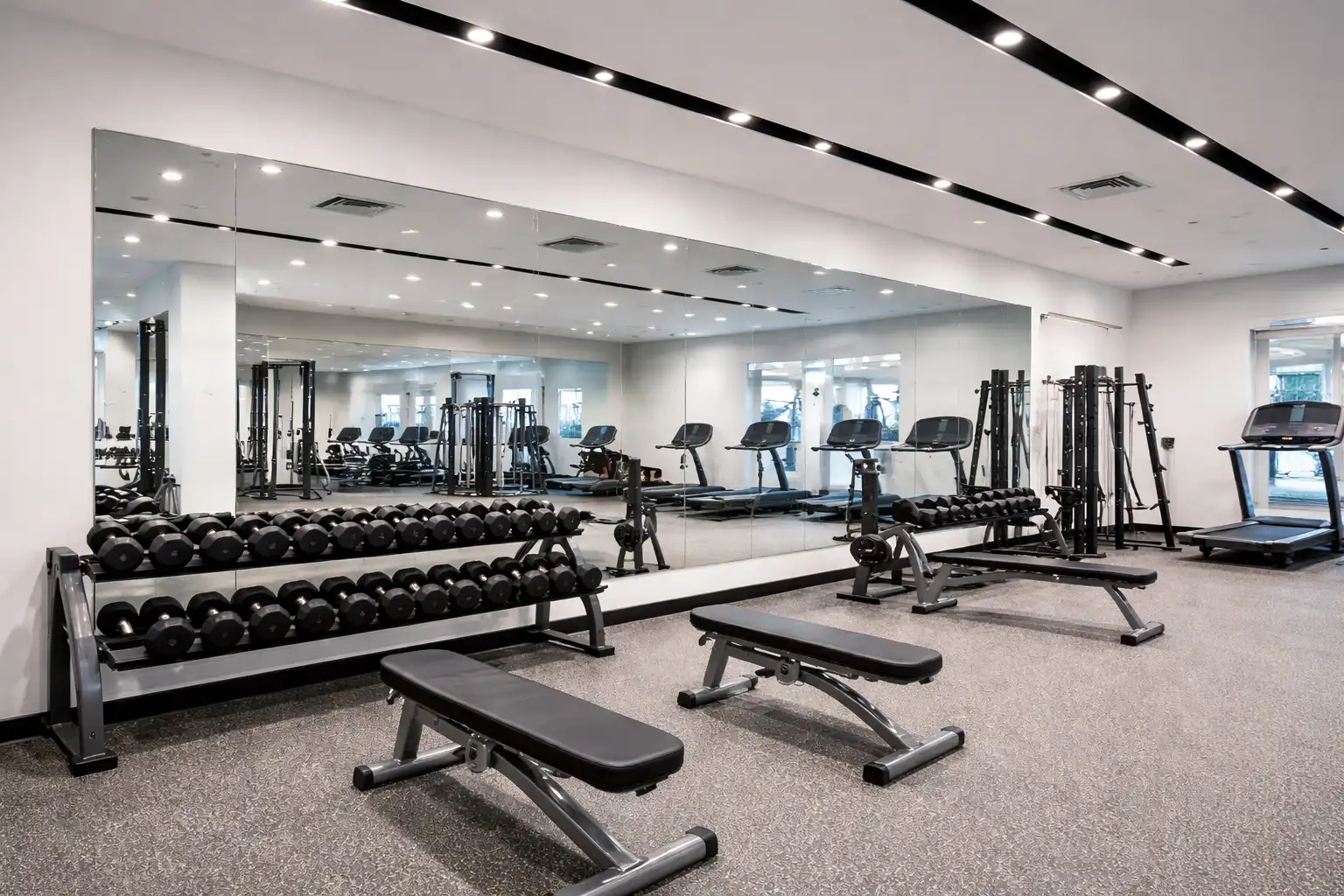
Gym wall mirrors are large reflective panels installed in fitness environments to support exercise technique, posture correction, and spatial awareness during training. They are widely used in commercial gyms, fitness studios, home workout rooms, dance studios, and rehabilitation facilities.
While traditional glass mirrors are common, plastic mirror panels and fabricated protective components are increasingly used in environments where impact resistance, reduced weight, and installation flexibility are important. Plastic materials allow mirrors or mirror backing components to be fabricated to precise dimensions, making them suitable for custom wall layouts or specialised training spaces.

Custom Manufactured to Your Drawings

Gym mirror installations frequently require panels that match specific wall dimensions or integrate with interior design features. Custom fabrication allows mirror panels or supporting plastic components to be manufactured according to project drawings.


Manufacturing can be carried out from:

  • CAD files or architectural drawings

  • Technical specifications from gym designers

  • Dimensional sketches or measurements

  • Existing panels or templates


All fabrication processes are performed in-house to ensure consistent sizing, accurate cut-outs, and clean finishing.

Gym Miror 1 | Perspex Online
Gym Wall | Perspex Online

Typical Applications

Gym wall mirrors are used in a wide range of training environments where visibility and safety are important.


Common applications include:

  • Commercial gym mirror walls

  • Fitness studio mirrors for group classes

  • Personal training studio mirrors

  • Dance and yoga studio mirrors

  • Home gym wall mirrors

  • Rehabilitation and physiotherapy mirrors

  • Martial arts training mirrors

  • Sports performance training rooms


Large mirror installations often consist of multiple panels mounted together to create continuous reflective surfaces.

Recommended Materials for Gym Wall Mirrors

Popular Gym Wall Mirrors

Key Performance Requirements

Mechanical Requirements

Mirror panels in gym environments must withstand regular use and occasional impact from equipment or users.


Important characteristics include:

  • Impact resistance

  • Structural stability when mounted to walls

  • Resistance to cracking or chipping

  • Secure mounting capability


Plastic mirror materials can provide improved durability compared with traditional glass mirrors.

Design & Installation Considerations

When specifying gym wall mirrors, several design factors should be evaluated to ensure safe and effective installation.


Important considerations include:

  • Mirror panel thickness and rigidity

  • Wall structure and mounting support

  • Alignment between panels for continuous reflection

  • Clearance from gym equipment

  • Protective edging or framing


Providing accurate installation drawings or wall dimensions helps ensure panels are fabricated correctly for the space.

Acrylic Mirror

Acrylic mirror panels provide a lightweight reflective surface suitable for many indoor gym environments.


Advantages:

  • Lightweight compared with glass

  • Good reflective clarity

  • Easy to cut and fabricate

  • Safer in environments where breakage risk must be reduced


Limitations:

  • Can scratch more easily than glass if not handled carefully

Polycarbonate Mirror

Polycarbonate mirror sheets are used where higher impact resistance is required.


Advantages
:

  • Extremely high impact resistance

  • Durable in high-traffic environments

  • Lightweight and strong


Limitations:

  • Surface may require protective coatings to improve scratch resistance

Gym Miror 1 | Perspex Online

Alternative Options:

All components used in this application are manufactured in-house using controlled, drawing-led production processes. We do not supply generic or off-the-shelf products. Each part is produced to specification to meet defined mechanical, environmental, and installation requirements.

Frequently Asked Questions

Are plastic mirrors suitable for gym environments? +

Yes. Acrylic and polycarbonate mirror panels are commonly used where reduced weight and impact resistance are beneficial.

Can gym wall mirrors be manufactured to custom sizes? +

Yes. Panels can be fabricated to match specific wall dimensions or studio layouts.

Are plastic mirror panels safer than glass mirrors? +

Plastic mirrors are generally more impact resistant and lighter than glass, which can improve safety in active environments.

What thickness is typically used for gym mirror panels? +

Thickness depends on panel size and installation method, but panels are often produced between 3 mm and 6 mm thick.

Can mirror panels include mounting holes or cut-outs? +

Yes. CNC machining allows precise mounting holes or fixing points to be incorporated during fabrication.

Can large mirror walls be made from multiple panels? +

Yes. Large installations are usually created using several panels aligned together.

Send Us Your Drawing

Selecting the correct material and fabrication approach for automotive and fleet applications requires consideration of load type, environment, installation method, and service life expectations.