

Plastic Tabletops | Perspex Online

Perspex Online

Plastic Tabletops

Union | Perspex Online
tabletops | Perspex Online

Overview

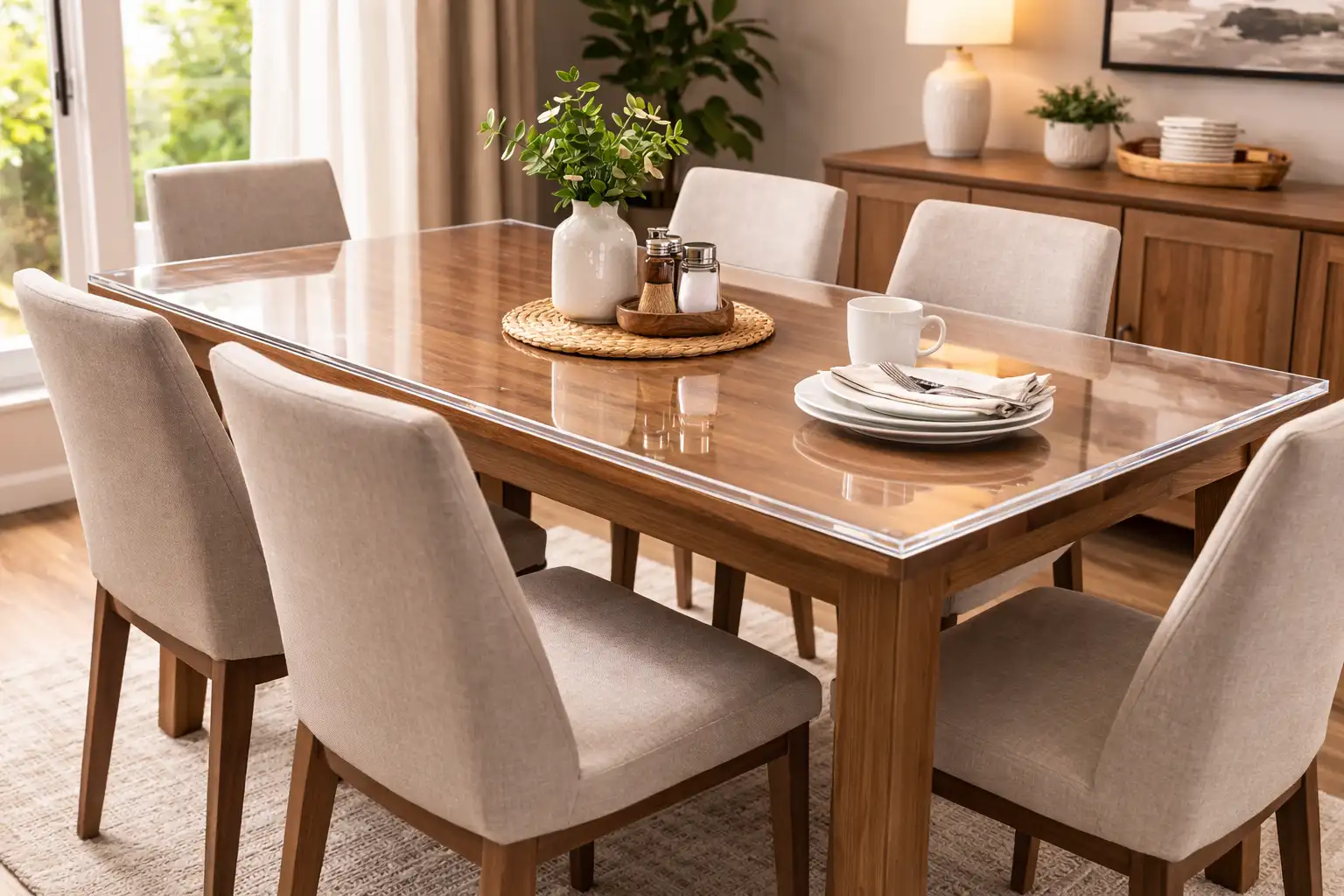
Plastic tabletops are durable, lightweight surfaces used across residential, leisure, and commercial environments where strength, moisture resistance, and easy maintenance are important. Unlike traditional wood or glass surfaces, plastic tabletops can be fabricated to precise dimensions and customised to suit a wide variety of table structures and interior layouts.
These components are commonly used in homes, recreational facilities, outdoor seating areas, hobby workstations, and custom furniture builds. Plastics offer practical advantages such as resistance to moisture, consistent surface finish, and the ability to machine complex shapes or cut-outs for integrated features.

Custom Manufactured to Your Drawings

Tabletops used in custom furniture or leisure installations frequently require exact sizing, corner treatments, and mounting features. Fabrication to customer drawings ensures the finished surface integrates accurately with table frames, furniture structures, or built-in installations.


Manufacturing can be carried out from:

  • CAD drawings or design files

  • Furniture design specifications

  • Dimensional sketches or measurements

  • Existing tabletops used as templates


Production capabilities typically support:

  • One-off tabletops for bespoke furniture

  • Small batch production for interior projects

  • Repeat production for commercial installations

  • Replacement tabletops for existing furniture


Precision machining ensures consistent dimensions, smooth edges, and accurate mounting points where required.

table 2 | Perspex Online
table 3 | Perspex Online

Typical Applications

Plastic tabletops are used in a wide range of home, leisure, and commercial environments.


Common applications include:

  • Home dining and utility tables

  • Outdoor garden tables

  • Hobby and craft worktables

  • Workshop benches

  • Gaming and recreational tables

  • Café or leisure facility tables

  • Display tables and stands

  • Portable event tables


In many cases, tabletops are fabricated to match specific frame dimensions or design requirements.

Recommended Materials for Plastic Tabletops

Popular Plastic Tabletops

Key Performance Requirements

Mechanical Requirements

Tabletops must provide adequate structural strength and durability for everyday use.


Key characteristics include:

  • Surface rigidity and stability

  • Resistance to cracking or impact

  • Load-bearing capability depending on table design

  • Edge strength for handling and installation


Material thickness and structural support are important considerations for larger tabletops.

Environmental Requirements

Different environments place different demands on tabletop materials.


Important properties may include:

  • Moisture resistance for kitchen or outdoor use

  • Resistance to cleaning chemicals

  • UV stability for outdoor installations

  • Temperature stability in varying conditions


Plastic materials often perform well in environments where wood may warp or metal may corrode.

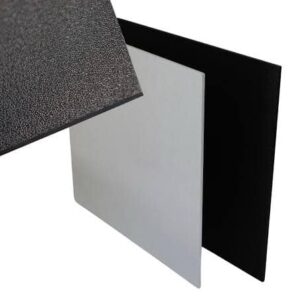
HDPE (High-Density Polyethylene)

HDPE is commonly used for durable tabletops in both indoor and outdoor environments.


Advantages:

  • High durability and impact resistance

  • Excellent moisture resistance

  • Easy to clean and maintain


Limitations:

  • Lower rigidity than some engineering plastics

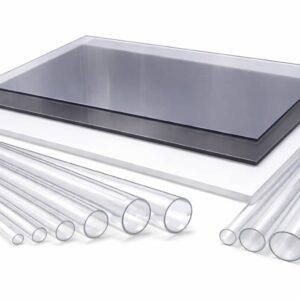
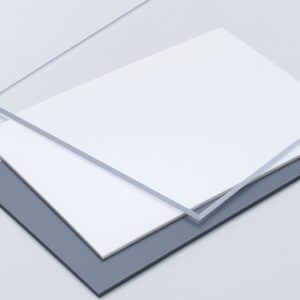
Acrylic (PMMA)

Acrylic is often used where visual appearance and surface finish are important.


Advantages
:

  • Smooth, glossy surface

  • Good rigidity

  • Available in clear or coloured sheets


Limitations:

  • Lower impact resistance compared with polycarbonate

tabletops | Perspex Online

Alternative Options:

All components used in this application are manufactured in-house using controlled, drawing-led production processes. We do not supply generic or off-the-shelf products. Each part is produced to specification to meet defined mechanical, environmental, and installation requirements.

Frequently Asked Questions

What thickness plastic is used for pet enclosure panels? +

Typical thickness ranges from 3mm to 10mm, depending on the size of the enclosure and the type of animal.

Is acrylic strong enough for pet enclosures? +

Acrylic can work well for small animal enclosures, but for higher impact resistance, polycarbonate is often recommended.

Can panels be made transparent? +

Yes. Both acrylic and polycarbonate are available in clear grades suitable for visibility.

Are plastic panels safe for animals? +

Yes, provided the panels are properly finished with smooth edges and securely mounted.

Can you manufacture panels from my design? +

Yes. We manufacture components directly from CAD drawings, sketches, or supplied samples.

Do you supply full enclosures? +

We primarily manufacture custom plastic components and panels used to build enclosure systems.

Send Us Your Drawing

Selecting the correct material and fabrication approach for automotive and fleet applications requires consideration of load type, environment, installation method, and service life expectations.