
Perspex Online

Point of Sale Displays

Union | Perspex Online
display 1 | Perspex Online

Overview

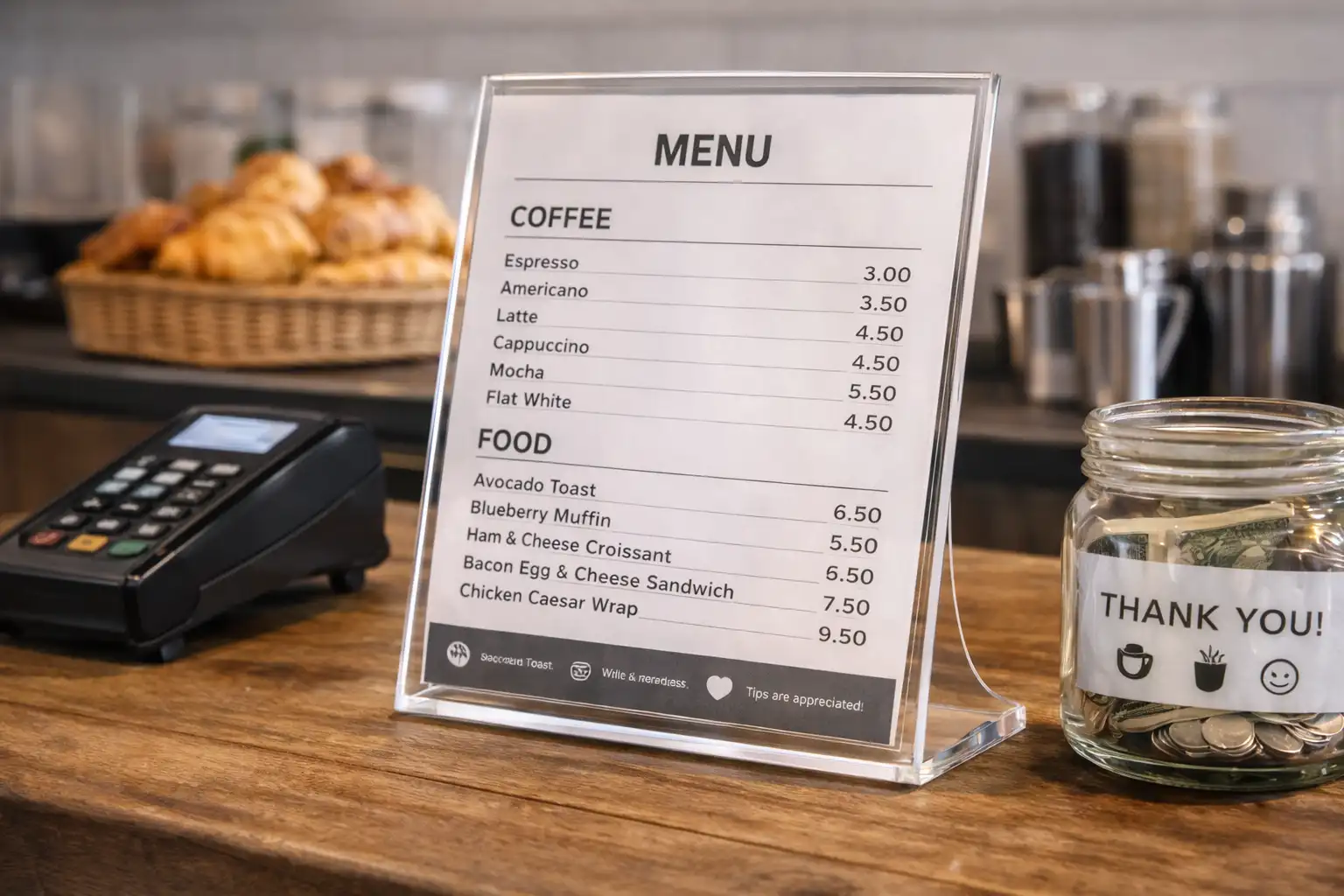
Point of Sale (POS) displays are fixtures used in retail environments to highlight products at checkout areas, counters, or high-traffic locations within a store. These displays are designed to improve product visibility and encourage impulse purchases by presenting items in a structured and accessible format.


Typical environments where POS displays are used include:

  • Retail checkout counters

  • Supermarkets and convenience stores

  • Electronics and technology retail stores

  • Cosmetic and beauty retail environments

  • Promotional retail campaigns and seasonal displays


Because POS displays must integrate with existing shelving, counters, or product packaging dimensions, they are typically custom fabricated to specific layouts or brand display designs.

Custom Manufactured to Your Drawings

Point of Sale displays are often produced to brand specifications or store fixture requirements, making custom fabrication essential.


We manufacture POS display components from:

  • CAD drawings and design files

  • Customer sketches or product layout concepts

  • Physical samples of existing displays

  • Prototype or concept display units

  • Repeat production runs for retail chains


All components are manufactured in-house using precision machining and fabrication processes. This allows accurate production of display trays, signage panels, product compartments, and structural components.


Most POS displays are therefore drawing-led fabrication projects rather than off-the-shelf products.

display sale | Perspex Online
third image | Perspex Online

Typical Applications

Point of Sale displays are commonly used for:

  • Countertop product display stands

  • Checkout impulse purchase displays

  • Cosmetic and beauty product displays

  • Electronics accessory display stands

  • Promotional retail product displays

  • Brochure and leaflet holders

  • Branded countertop merchandising units

  • Seasonal retail promotional displays


These displays are designed to organise products, improve visibility, and support retail merchandising strategies.

Recommended Materials for Point of Sale Displays

Popular Point of Sale Displays

Key Performance Requirements

Mechanical

POS displays must maintain stability while supporting products and repeated handling.


Typical mechanical considerations include:

  • Structural rigidity for loaded displays

  • Impact resistance from customer interaction

  • Smooth edges for safe handling

  • Scratch resistance for long-term visual appearance

  • Dimensional accuracy for product compartments


Environmental

Retail environments introduce conditions that displays must withstand.


Environmental considerations include:

  • Resistance to cleaning chemicals

  • Stability under indoor lighting exposure

  • Long-term surface clarity or colour retention

  • Resistance to minor impacts or handling damage

Material Selection Summary

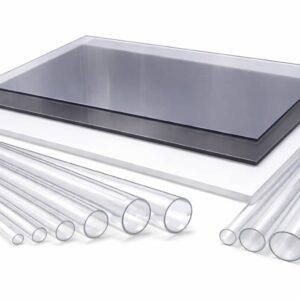
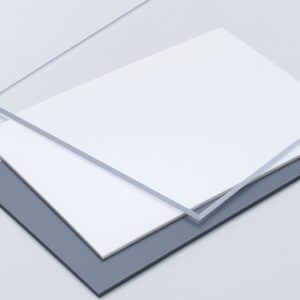
For most POS display applications, acrylic is widely used due to its clarity and visual presentation quality. It provides a clean, transparent appearance that allows products to remain clearly visible.


PETG may be selected when thermoforming or complex shapes are required.


Polycarbonate is used where impact resistance is a priority, particularly in high-traffic environments.


PVC may be used for cost-sensitive retail display systems where transparency is not essential.


Material selection depends on display design, durability requirements, and visual presentation goals.

Recommended Materials

A common material for POS displays due to its high clarity and polished finish.


Advantages:

  • Excellent transparency for product visibility

  • Good surface finish for branded displays

  • Easy to machine and polish


Limitations:

  • Lower impact resistance compared with polycarbonate

Design & Installation Considerations

Several factors should be considered when designing POS displays:

  • Product size and weight

  • Number of product compartments

  • Stability when fully loaded

  • Access for product restocking

  • Integration with branding graphics

  • Compatibility with countertop or shelf space


Designing displays with these considerations ensures functionality while maintaining strong visual presentation.

fourth image | Perspex Online

Alternative Options:

All components used in this application are manufactured in-house using controlled, drawing-led production processes. We do not supply generic or off-the-shelf products. Each part is produced to specification to meet defined mechanical, environmental, and installation requirements.

Frequently Asked Questions

What thickness plastic is typically used for dust covers? +

Dust covers are commonly fabricated from 3 mm to 8 mm acrylic, depending on size and rigidity requirements.

Can dust covers be produced from drawings? +

Yes. Most dust covers are manufactured from CAD drawings, sketches, or reference dimensions.

Are custom sizes available? +

Yes. Dust covers are typically custom fabricated to match the size of the equipment or display item.

Can ventilation holes be included? +

Yes. Ventilation slots or drilled holes can be included during fabrication if required.

Can curved dust covers be produced? +

Yes. Curved covers may be produced using thermoforming processes, depending on material selection.

Are dust covers suitable for retail displays? +

Yes. Clear acrylic dust covers are widely used to protect retail merchandise while maintaining product visibility.

Send Us Your Drawing

Selecting the correct material and fabrication approach for automotive and fleet applications requires consideration of load type, environment, installation method, and service life expectations.