

Top Plastic Material Problems—and How Expert Cutting and Fabrication Prevent Them
Plastic projects often hit snags like cracking, warping, or rough edges that slow you down. These issues usually come from poor cutting or handling, not the material itself. With Perspex cut to size and expert fabrication, you get precision cuts and finishes that prevent common problems before they start. Keep reading to learn how our services save you time and deliver durable results every time. Learn more about these common issues and solutions here.
Common Plastic Material Problems

Let’s dive into some of the usual hurdles you might face when working with plastics. Understanding these issues is the first step to preventing them, and we’re here to guide you through it.
Melting and Chipping Issues
Melting and chipping can ruin your project, leaving you frustrated. This often happens when plastics are cut with the wrong tools or techniques.
When you apply too much heat during cutting, plastics can melt, causing uneven edges or even ruining the piece entirely. For instance, using a saw with dull teeth generates excessive heat, leading to this problem. On the other hand, chipping occurs when the material is too brittle or when the cutting tool is incorrect, causing pieces to break off and damage the finish.
The key takeaway here is the importance of using the right cutting tools and techniques. Are you using a sharp blade specifically designed for plastic? A fine-toothed saw or a laser cutter can prevent melting and chipping by providing a clean, precise cut. By choosing the right tool, you can save time and materials.
Crazing and Cracking Concerns
Crazing and cracking can weaken your project, making it less durable over time. These issues typically arise when stress is applied unevenly during the cutting or fabrication process.
Crazing is the appearance of small, web-like cracks on the surface of plastic, often due to poor handling or excessive force. Cracking, more severe, can occur if the plastic is not supported properly during cuts or if it is subjected to rapid temperature changes.
To prevent these issues, ensure that your plastic is well-supported during the cutting process. Using a stable work surface and the right cutting speed can minimize stress on the material. Plus, pre-annealing the plastic can reduce internal stresses, making it less prone to cracking.
Scratches and Surface Damage
Nothing is more disheartening than finishing a project only to find scratches marring its surface. These blemishes can occur from improper handling or using the wrong tools.
During cutting and assembly, plastics can easily get scratched if they aren’t handled with care. Even dust and debris on the working surface can lead to unwanted marks. Using a cloth or protective film can shield the surface from scratches during handling and cutting.
Remember, keeping your work area clean and using protective materials can protect your plastic surfaces. Here’s the key insight: prevention is the best remedy!
Expert Solutions in Fabrication

Understanding common issues is just the beginning. Let’s explore how expert techniques can turn these problems into perfect results every time.
Precision CNC Routing Techniques
When it comes to achieving precise cuts, CNC routing is a game changer. This technique offers accuracy and consistency, ensuring every cut meets your exact specifications.
CNC routing uses computer-controlled machines to cut materials with precision. It’s perfect for intricate designs and tight tolerances. By using this method, you eliminate human error, resulting in cleaner cuts and reduced waste. This approach is particularly beneficial for complex projects where precision is non-negotiable.
Investing in CNC routing means you get the exact cut-to-size plastic sheets you need, every time. It’s not just about cutting; it’s about crafting each piece to perfection.
Advanced Laser Cutting Methods
Laser cutting takes precision to the next level, providing smooth edges and detailed designs without the hassle of manual finishing.
This method uses a concentrated laser beam to cut through materials with incredible accuracy. It’s ideal for projects requiring detailed shapes or delicate features. With laser cutting, you avoid the rough edges that often come with traditional cutting methods. Plus, it’s fast and efficient, saving you both time and money.
The longer you wait to switch to laser cutting, the more you miss out on this efficiency. So, why settle for less when you can have professional-quality results?
Protective Handling and Finishing
Handling and finishing processes are crucial in maintaining the quality of your cut-to-size plastic sheets.
Using protective films and gentle handling techniques can prevent scratches and surface damage. Additionally, finishing methods like flame polishing can enhance the clarity and smoothness of acrylic edges, giving your project a polished, professional look.
This attention to detail from start to finish ensures that your project doesn’t just look good—it meets the highest standards of craftsmanship.
Choosing the Right Materials
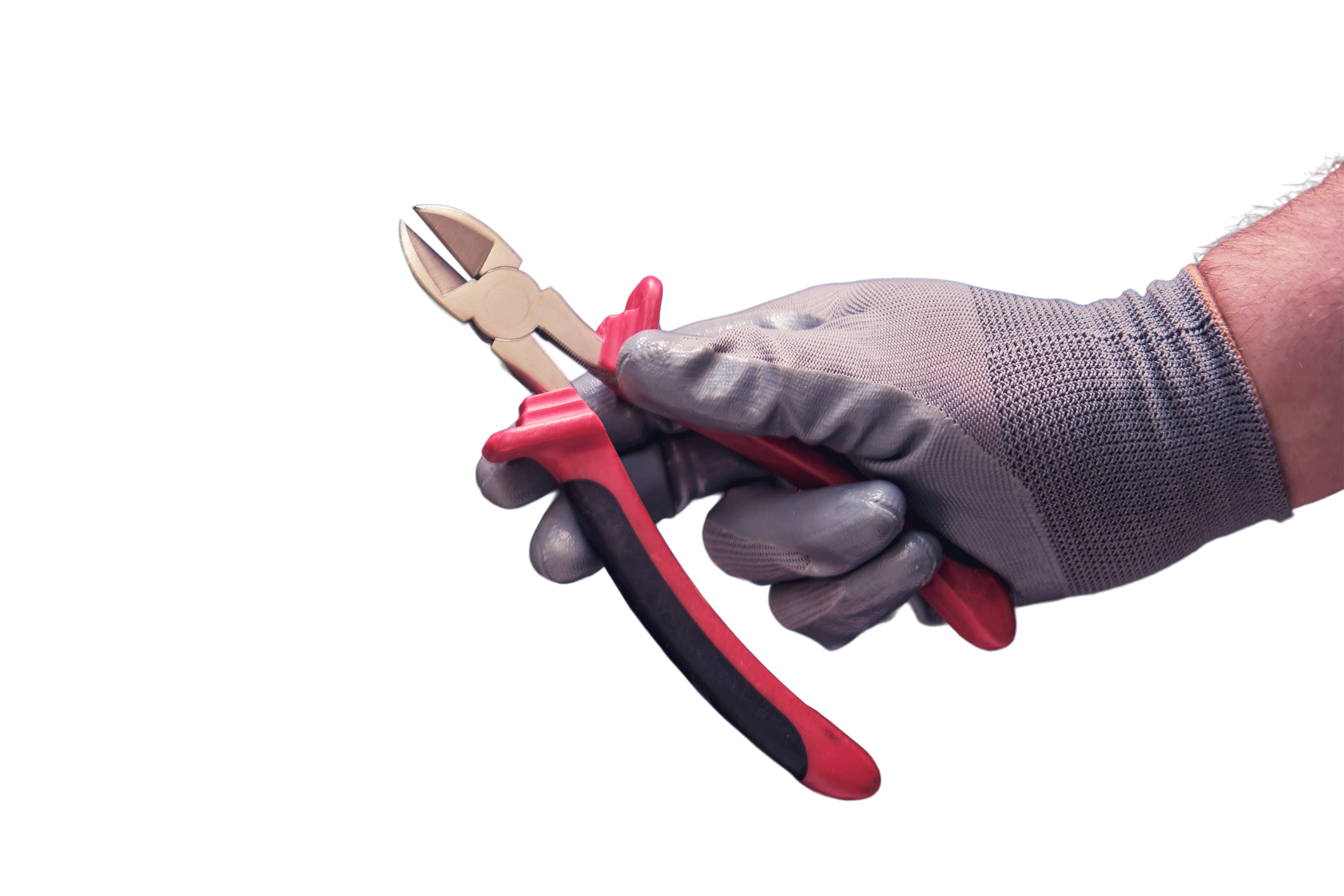
Having the right tools is only part of the equation. Choosing the right materials is equally crucial to your project’s success.
Acrylic, Polycarbonate, and More
Different projects require different materials. Understanding the properties of each can help you make the right choice.
Acrylic and polycarbonate are popular for their clarity and strength. Acrylic offers excellent clarity and UV resistance, making it ideal for displays and signage. Polycarbonate, on the other hand, is known for its impact resistance, perfect for safety screens and protective barriers. Each material has its strengths, and knowing these can lead to better project outcomes.
Selecting the right material isn’t just about durability; it’s about matching the material to your specific needs.
UV-Stabilized Options for Outdoors
For outdoor projects, UV-stabilized materials are essential. They offer protection against sun exposure, ensuring longevity and color retention.
Materials like UV-stabilized acrylic and polycarbonate maintain their integrity and appearance despite harsh weather conditions. This makes them perfect for outdoor signage, barriers, and other applications exposed to the elements.
Choosing UV-stabilized options ensures your project stands the test of time, looking as good years from now as it does today.
Custom Machining and Welding Services
When standard options don’t fit your needs, custom machining and welding services can provide tailored solutions.
Custom machining allows for unique designs, meeting specific requirements with precision. Welding services can join different plastic parts seamlessly, creating complex structures that standard fabrication can’t achieve.
With customized services, your project isn’t limited by off-the-shelf solutions. Instead, you get exactly what you envision, crafted to your precise specifications.
By understanding these common problems and applying expert solutions, you’ll achieve the best results in your plastic projects. Whether you need cut-to-size plastic sheets or custom fabrication, choosing the right partner is key to your success. Let us help you bring your vision to life with precision and expertise.
Learn how to solve your toughest plastic material challenges with precision cuts