
Automotive, Transport & Fleet

Overview
This category covers plastic components and fabricated parts used across automotive, commercial transport, and fleet applications. It includes interior and exterior panels, protective glazing, equipment housings, storage systems, guards, covers, and wear components used in vehicles and transport infrastructure.
Industries served include:
- Automotive manufacturing and modification
- Commercial vehicle builders
- Fleet operators and upfitters
- Rail and public transport maintenance
- Marine and specialist vehicles
- Agricultural and off-road equipment
Typical Requirements
- Impact resistance for panels, guards, and glazing
- Abrasion resistance for wear strips and load surfaces
- Chemical compatibility with fuels, oils, and cleaning agents
- UV stability for exterior exposure
- Transparency versus opacity depending on function
- Structural versus non-structural performance
- Temperature resistance (engine bay, refrigerated transport, outdoor use)
- Flame retardancy where required by regulation
Applications in This Category
-
Vehicle Glazing & Windows
Used for side windows, rear windows, vision panels, and protective screens in commercial and specialist vehicles. -
Interior Panels & Linings
Wall panels, kick panels, ceiling liners, and protective interior cladding designed for durability and cleanability. -
Load Area Protection & Liners
Floor liners, side protection, and impact panels for vans, utes, and fleet vehicles. -
Battery & Equipment Enclosures
Protective housings for electrical systems, EV components, and auxiliary equipment. -
Guards, Shields & Covers
Machinery guards, splash shields, and protective covers for moving or exposed components.
Material Selection Overview
Material selection depends on performance requirements, exposure conditions, and fabrication method. Typical materials used in automotive and fleet applications include:
- HDPE – General-purpose use, chemical resistance, impact tolerance
- Polycarbonate – High impact resistance with transparency
- Acrylic (PMMA) – Optical clarity where high impact is not critical
- UHMWPE – Low friction and high abrasion resistance
- ABS – Good rigidity and surface finish for interior components
- PVC (Rigid) – Chemical resistance and fabrication versatility
When Custom Fabrication Is Required
Most automotive and transport plastic components are drawing-led. Dimensions, mounting details, cut-outs, and tolerances vary by vehicle model, fleet specification, or equipment layout.
- Vehicle-specific geometry
- Integration with existing hardware
- Compliance or certification standards
- Retrofit constraints
Integration With Existing Systems
Many transport components interface directly with:
- Metal subframes
- Electrical systems
- Fasteners and mounting rails
- Hinges, seals, and locking systems
Vibration & Dynamic Load Environments
Unlike static industrial installations, vehicles operate under continuous vibration, movement, and shock loading. Fabrication must account for:
- Tolerance control to prevent rattle
- Secure fixing points
- Edge stability under movement
- Material thickness suited to dynamic stress
Dimensional precision becomes particularly important where panels are fixed against structural steel or aluminium frames.
Environmental Exposure Considerations
Exterior and semi-exposed components must withstand variable environmental conditions including:
- UV radiation
- Moisture ingress
- Road debris impact
- Chemical splash from fuels or cleaning agents
Compliance & Regulatory Factors
Certain fleet sectors — including public transport, mining, and emergency services — may require materials or assemblies that align with:
- Flame retardancy standards
- Electrical insulation requirements
- Visibility and light transmission thresholds
- Safety guarding regulations
Assembly & Installation Method
Fabrication approach is influenced by how the component will be installed:
- Supplied flat for on-site fitting
- Pre-formed for direct bolt-in installation
- Bonded assemblies for sealed enclosures
- Multi-part systems for confined access areas
Alternative Options:
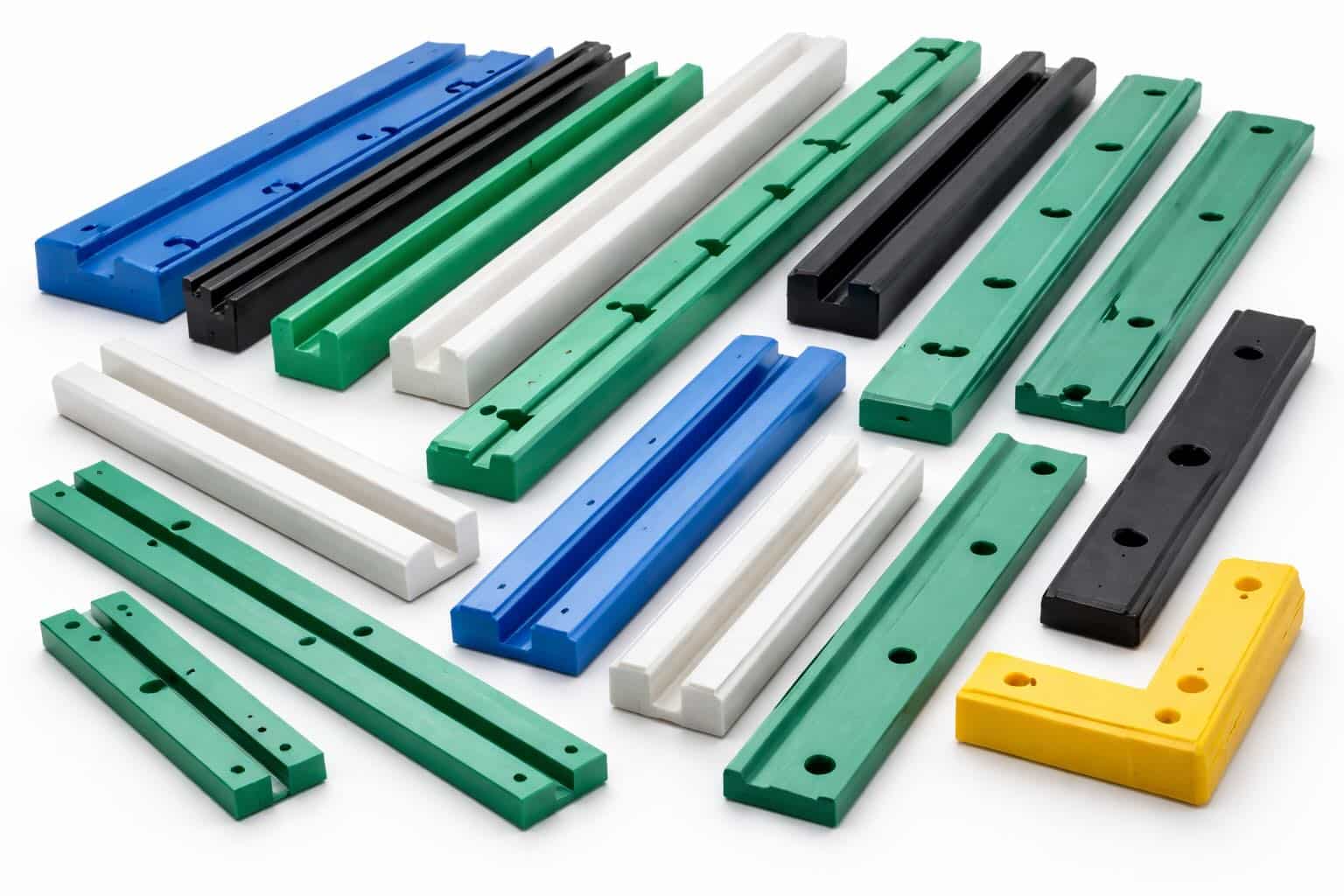
All components used in this application are manufactured in-house using controlled, drawing-led production processes. We do not supply generic or off-the-shelf products. Each part is produced to specification to meet defined mechanical, environmental, and installation requirements.
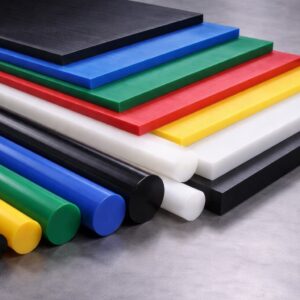
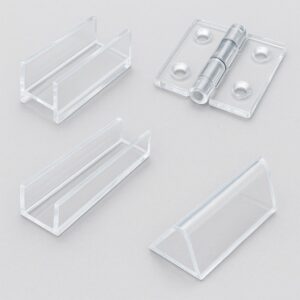
Our Range of Plastic Products

Not Sure?
Not sure which plastic is best for your application?
View our material guides or contact us for advice on selecting the right product.