

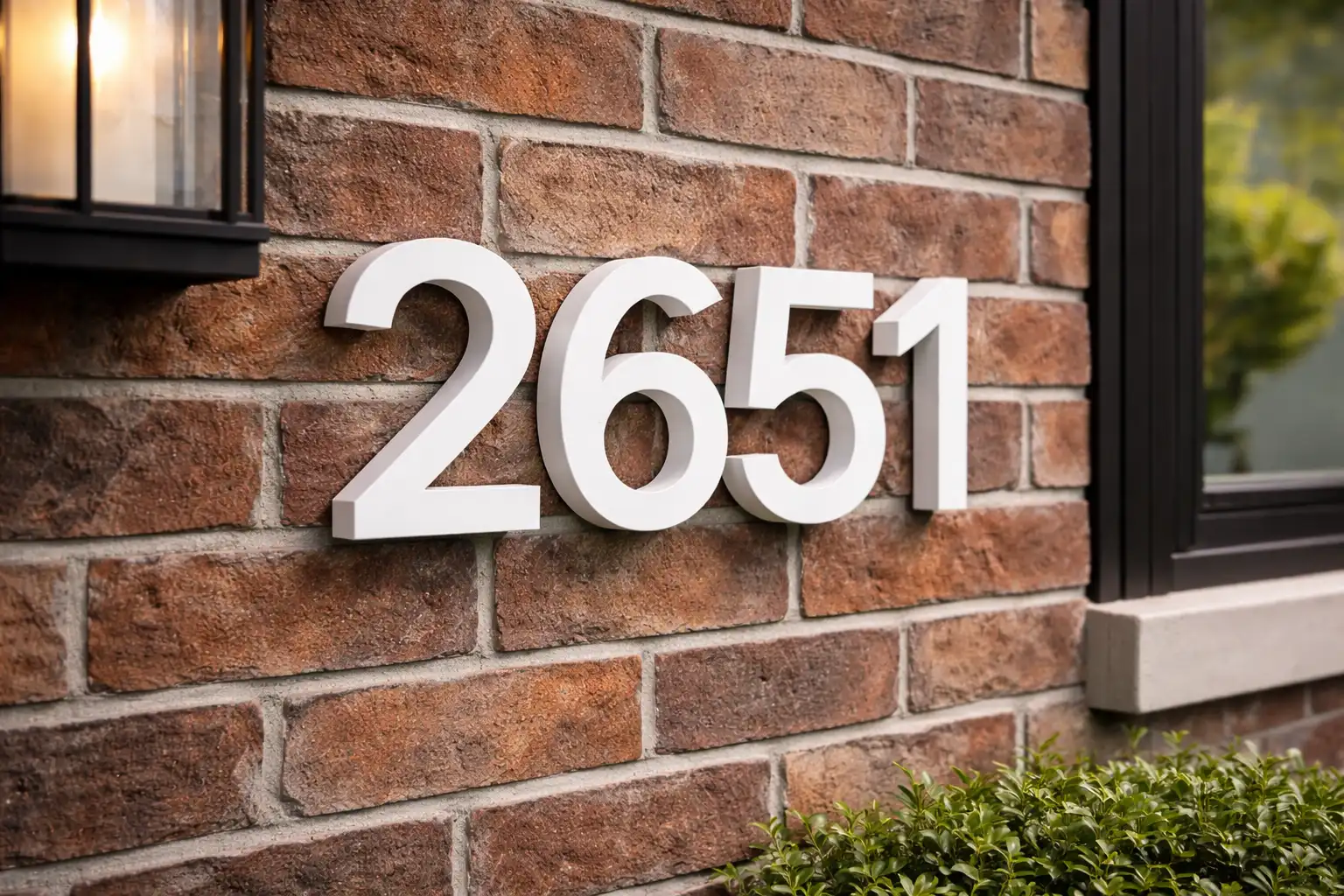
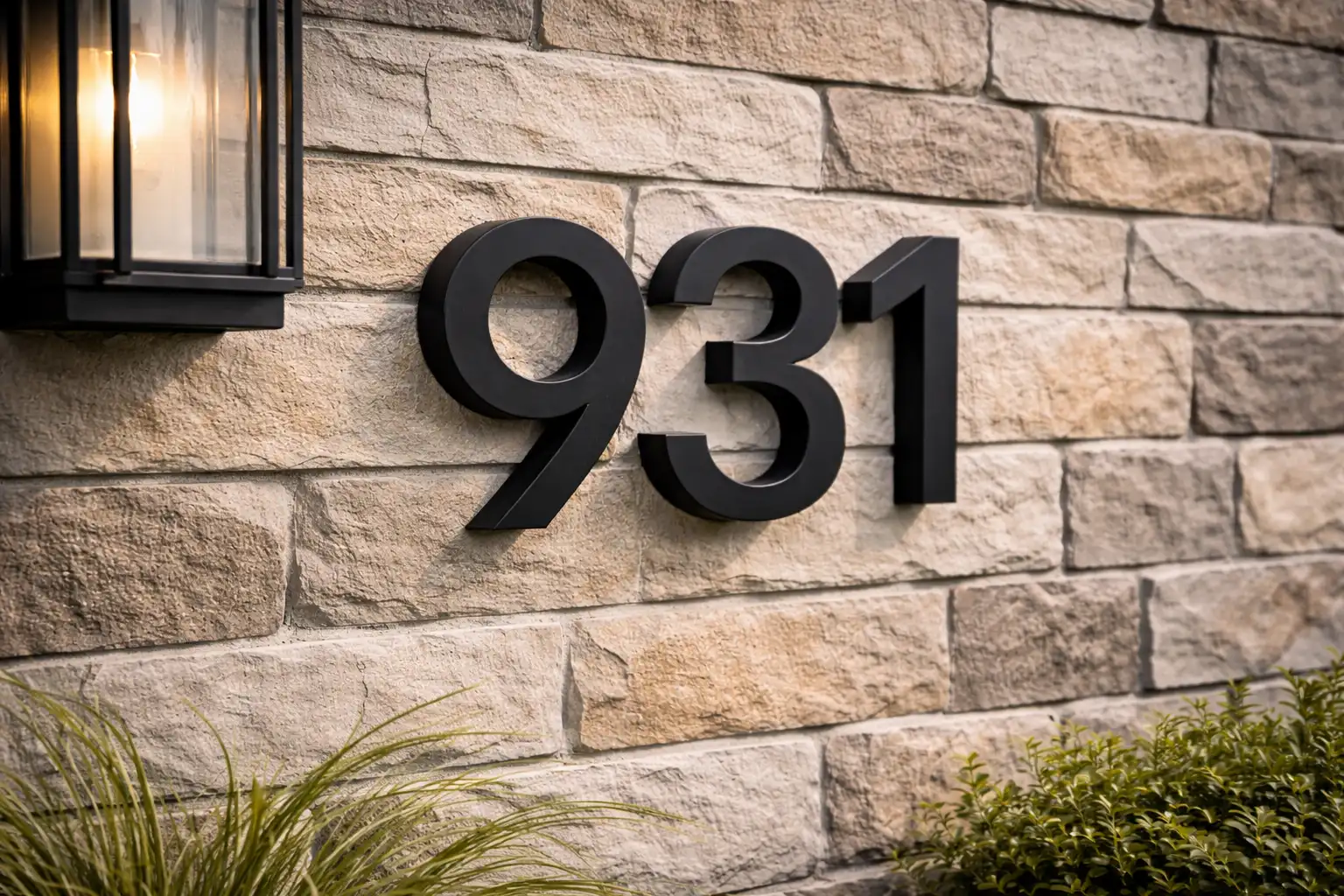
Plastic House Numbers
Overview
Plastic is specified for house numbers because it is lightweight, corrosion-resistant, and easy to fabricate in a wide range of colours, sizes, and finishes.
Installation Environments
Plastic house numbers are commonly used in:
Residential homes
Apartment complexes
Office buildings
Public facilities
Educational campuses
Commercial centres
They are designed to withstand outdoor conditions, including UV exposure, rain, wind, and temperature variations.
Functional Objectives
House numbers are primarily designed to:
Provide clear property identification
Maintain visibility in daylight and low-light conditions
Withstand environmental exposure
Offer a lightweight, low-maintenance solution
Integrate with building design or signage aesthetics
Correct placement and mounting are critical for legibility and durability.
Popular Plastic House Numbers
-
Seaboard HDPE (Marine Plastic)
$350.96 – $1,348.73Price range: $350.96 through $1,348.73 Select options This product has multiple variants. The options may be chosen on the product page -
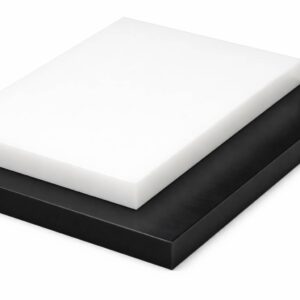
HDPE Sheet
$52.00 – $6,076.00Price range: $52.00 through $6,076.00 Select options This product has multiple variants. The options may be chosen on the product page -
UHMWPE Sheet
$402.93 – $4,757.72Price range: $402.93 through $4,757.72 Select options This product has multiple variants. The options may be chosen on the product page -
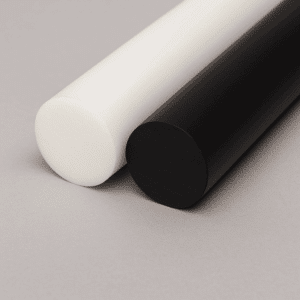
HDPE Rod – Black & Natural
$5.89 – $2,215.31Price range: $5.89 through $2,215.31 Select options This product has multiple variants. The options may be chosen on the product page
Performance Requirements
Mechanical
Structural stability to avoid warping or bending
Impact resistance for minor knocks or contact
Secure fixing to wall, gate, or panel
Environmental
UV stability to prevent fading
Weatherproof and moisture-resistant
Temperature fluctuation tolerance
Common Configurations
Plastic house numbers can be fabricated as:
Individual numerals
Set numbers for addresses (e.g., “12A”)
Routed or raised for 3D effect
Backed with adhesive or standoff mounts
Integrated into signage panels
Custom fonts or corporate branding
Each configuration can be produced to suit façade style and visibility requirements.
Fabrication & Manufacturing
House numbers are manufactured using:
CNC routing or laser cutting for precise shapes
Edge finishing for smooth surfaces
Bending or forming for 3D profiles
Adhesive, screw, or standoff mounting preparation
Mounting holes or standoffs are positioned to allow proper clearances for thermal expansion and wall alignment.
Design & Installation Considerations
Before fabrication, drawings should define:
Numeral height and width for legibility
Mounting surface type and orientation
Required clearances between numbers and other design elements
Fixing method (adhesive, screws, standoffs)
Exposure to direct sunlight or weather conditions
Proper clearance ensures numbers remain readable and secure over their lifespan.
Alternative Options:
All components used in this application are manufactured in-house using controlled, drawing-led production processes. We do not supply generic or off-the-shelf products. Each part is produced to specification to meet defined mechanical, environmental, and installation requirements.
Frequently Asked Questions
Yes, numbers can be fabricated to client specifications with custom fonts and sizing.
Yes, acrylic and polycarbonate grades are UV-stabilised for long-term outdoor use.
Yes, thermal expansion should be considered for numbers over 200mm in height; mounting should allow clearance.
Screw mounting, standoff mounts, and high-strength adhesive are commonly used.
Yes, a wide range of colours is available depending on material selection.
Yes, HDPE, polycarbonate, and acrylic provide corrosion and moisture resistance.