
Energy, Data & Technical Enclosures

Overview
Energy, data and technical enclosure applications involve the housing and protection of electrical, electronic and infrastructure components used across modern industrial and commercial systems. These enclosures protect sensitive equipment from environmental exposure, accidental contact and operational hazards while maintaining accessibility for maintenance and system integration.
Industries such as power generation, telecommunications, data infrastructure, manufacturing, transportation and building services rely on enclosure systems to safeguard equipment including electrical distribution components, communication hardware, control systems and monitoring devices.
Plastics are commonly used in these applications because they provide a combination of electrical insulation, corrosion resistance and design flexibility that traditional materials often struggle to deliver. Compared with metal alternatives, many engineering plastics offer excellent durability in harsh environments while remaining lightweight and easy to fabricate into complex shapes.
Typical Requirements
Applications in this category often involve several common performance and design considerations:
- Electrical insulation and non-conductivity
- Impact resistance for equipment protection
- UV stability for outdoor installations
- Chemical resistance in industrial environments
- Flame retardancy or fire safety compliance
- Weather and moisture resistance
- Dimensional stability for mounting and integration
- Temperature resistance for indoor and outdoor systems
Understanding these requirements helps ensure enclosure components maintain reliability while protecting critical infrastructure.
Applications in This Category
-
Electrical Control Panel Enclosures
Used to house electrical control systems, circuit protection devices and automation components. These enclosures protect equipment from dust, moisture and accidental contact while allowing safe system operation. -
Data & Network Equipment Housings
Protective structures designed to contain networking hardware, communications equipment and monitoring systems used in data infrastructure and telecommunications environments. -
Outdoor Utility Enclosures
Used to protect power distribution equipment, telecom components and monitoring devices installed in exposed outdoor environments such as roadside infrastructure, substations and utility installations. -
Equipment Protection Covers
Protective housings designed to shield technical equipment, sensors and control devices from environmental exposure, mechanical damage or contamination. -
Cable Management & Routing Systems
Plastic components used to organise and protect cable runs within energy systems, industrial equipment and technical installations, helping maintain safe and efficient infrastructure layouts.
Material Selection Overview
Material choice in enclosure applications depends on environmental conditions, mechanical requirements and safety considerations.
- HDPE – General-purpose use, chemical resistance, impact tolerance
- Polycarbonate – High impact resistance with transparency
- Acrylic (PMMA) – Optical clarity where high impact is not critical
- UHMWPE – Low friction and high abrasion resistance
- ABS – Good rigidity and surface finish for interior components
- PVC (Rigid) – Chemical resistance and fabrication versatility
Material selection typically depends on the specific operating environment and performance requirements of the enclosure.
When Custom Fabrication Is Required
Many enclosure components are produced to match the exact dimensions and mounting requirements of the equipment they protect. As a result, projects in this category are commonly drawing-led.
Custom fabrication may be required to achieve the correct panel sizes, cut-outs, mounting points or structural configurations needed for integration into existing systems or infrastructure.
Design Considerations for Enclosure Applications
Enclosures used in energy distribution, data infrastructure and technical installations must balance protection, accessibility and long-term durability. Components are often installed in environments where exposure to dust, vibration, moisture and fluctuating temperatures can affect sensitive electrical systems.
Plastic components are frequently specified where electrical insulation and corrosion resistance are required. Unlike metal alternatives, many engineered plastics do not corrode and can perform reliably in environments where humidity, chemicals or coastal conditions may be present.
Design also plays an important role in enclosure performance. Panels, covers and internal components must allow access for maintenance while preventing accidental contact with live or moving parts. Proper sealing, mounting stability and cable entry management are common considerations when designing enclosure components.
Environmental and Operational Conditions
Energy and data infrastructure may operate in a wide range of environments, from controlled indoor facilities to fully exposed outdoor installations. Material selection and component design must account for the conditions in which the enclosure will operate.
- Long-term exposure to sunlight and UV radiation
- Temperature variation between day and night or seasonal conditions
- Moisture ingress from rain, humidity or washdown procedures
- Dust and airborne particles in industrial environments
- Mechanical vibration from nearby equipment
Selecting appropriate materials and fabrication methods helps ensure that enclosure components maintain structural integrity and performance over time.
Integration with Electrical and Data Systems
Technical enclosures must integrate efficiently with the systems they protect. This includes accommodating mounting hardware, cable routing and ventilation requirements while maintaining safe separation between components.
Plastic components are often used for internal panels, mounting plates, cable guides and protective covers. Their insulating properties help reduce electrical risks, while their machinability allows precise cut-outs for connectors, ports and access panels.
In data and communication environments, enclosure components may also support airflow management and equipment organisation to ensure reliable system operation.
Durability and Maintenance Considerations
Enclosure components are typically expected to perform for extended periods with minimal maintenance. Plastics used in these environments are often selected for their resistance to corrosion, chemical exposure and mechanical wear.
Smooth surfaces and stable materials can also simplify cleaning and maintenance procedures, particularly in industrial facilities where equipment may be exposed to dust, oils or process contaminants.
When properly specified, plastic enclosure components can provide long service life while maintaining dimensional stability and protective performance.
Supporting Infrastructure Across Industries
Energy, data and technical enclosures are used across a wide range of industrial and commercial infrastructure projects. These include electrical distribution systems, telecommunications networks, control systems and equipment monitoring installations.
Plastic components are commonly used in supporting elements such as protective panels, housings, equipment guards and cable management systems. Their combination of durability, electrical insulation and fabrication flexibility makes them suitable for many modern enclosure designs.
Alternative Options:
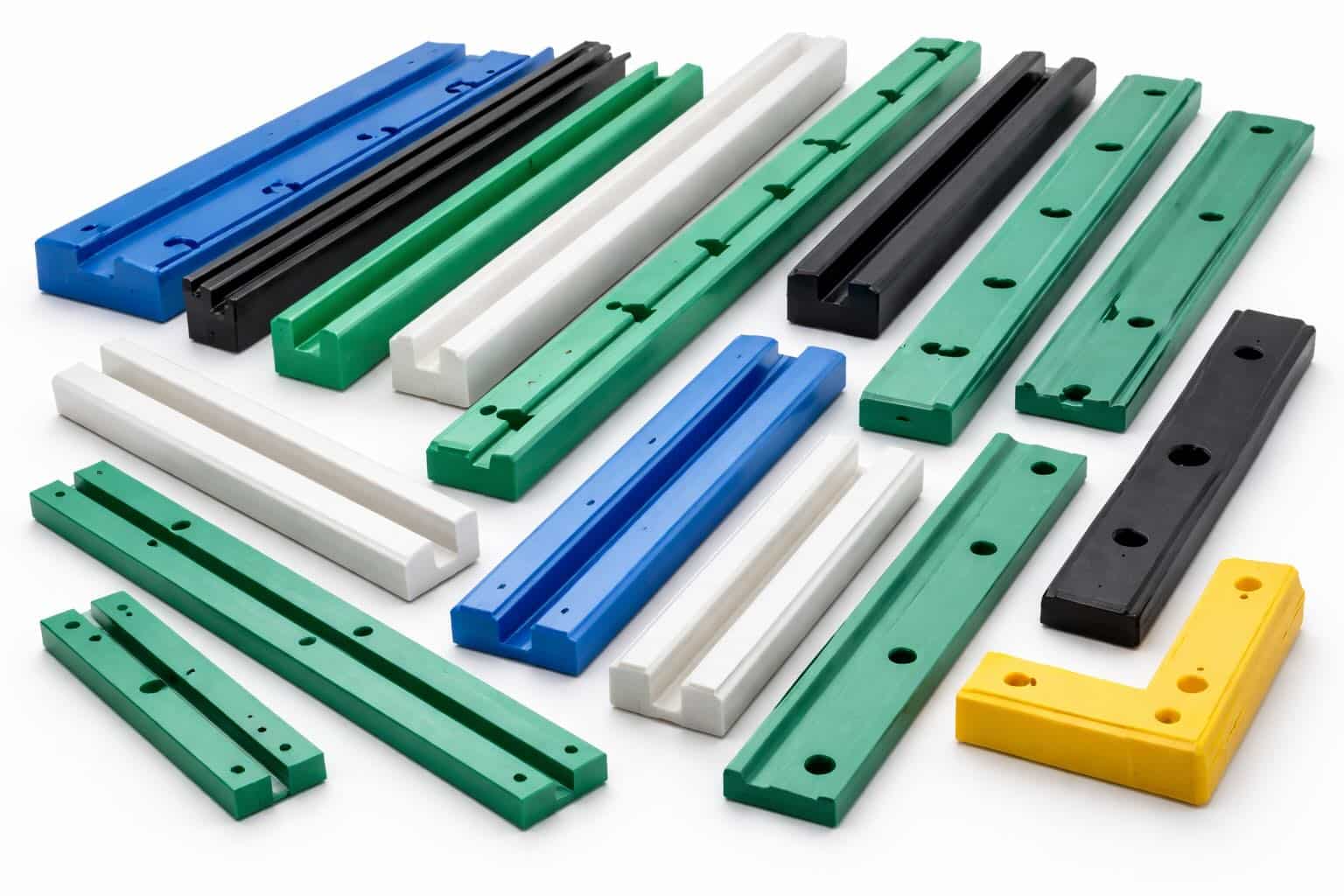
All components used in this application are manufactured in-house using controlled, drawing-led production processes. We do not supply generic or off-the-shelf products. Each part is produced to specification to meet defined mechanical, environmental, and installation requirements.
Our Range of Plastic Products

Not Sure?
Not sure which plastic is best for your application?
View our material guides or contact us for advice on selecting the right product.
Send Us Your Drawing
Selecting the correct material and fabrication approach for automotive and fleet applications requires consideration of load type, environment, installation method, and service life expectations.