Retail, Display & Visual Merchandising

Overview
- Retail chains and department stores
- Consumer electronics and technology retail
- Cosmetics and beauty retail
- Supermarkets and convenience stores
- Trade show and exhibition display contractors
- Commercial interior fit-out companies
Typical Requirements
- Optical clarity for product visibility
- Impact resistance in high-traffic environments
- Surface finish suitable for visual presentation
- Scratch resistance for repeated handling
- UV stability for window displays or lighting exposure
- Lightweight construction for easy installation
- Dimensional accuracy for shelf and fixture integration
- Chemical resistance to cleaning products
Applications in This Category
-
Point of Sale Displays
Used to highlight featured products at checkout counters or promotional areas while maintaining clear product visibility. -
Retail Shelf Dividers & Organisers
Installed on store shelving to separate products, maintain stock alignment, and improve shelf presentation. -
Acrylic Display Cases
Used for protecting high-value or delicate merchandise while allowing full product visibility. -
Product Display Stands
Freestanding or countertop structures designed to present products in a controlled and visually appealing layout. -
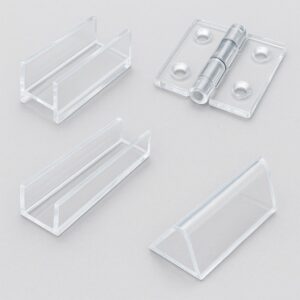
Sign Holders & Information Displays
Clear holders used for pricing, product information, or promotional messaging within retail environments.
Material Selection Overview
- HDPE – General-purpose use, chemical resistance, impact tolerance
- Polycarbonate – High impact resistance with transparency
- Acrylic (PMMA) – Optical clarity where high impact is not critical
- UHMWPE – Low friction and high abrasion resistance
- ABS – Good rigidity and surface finish for interior components
- PVC (Rigid) – Chemical resistance and fabrication versatility
When Custom Fabrication Is Required
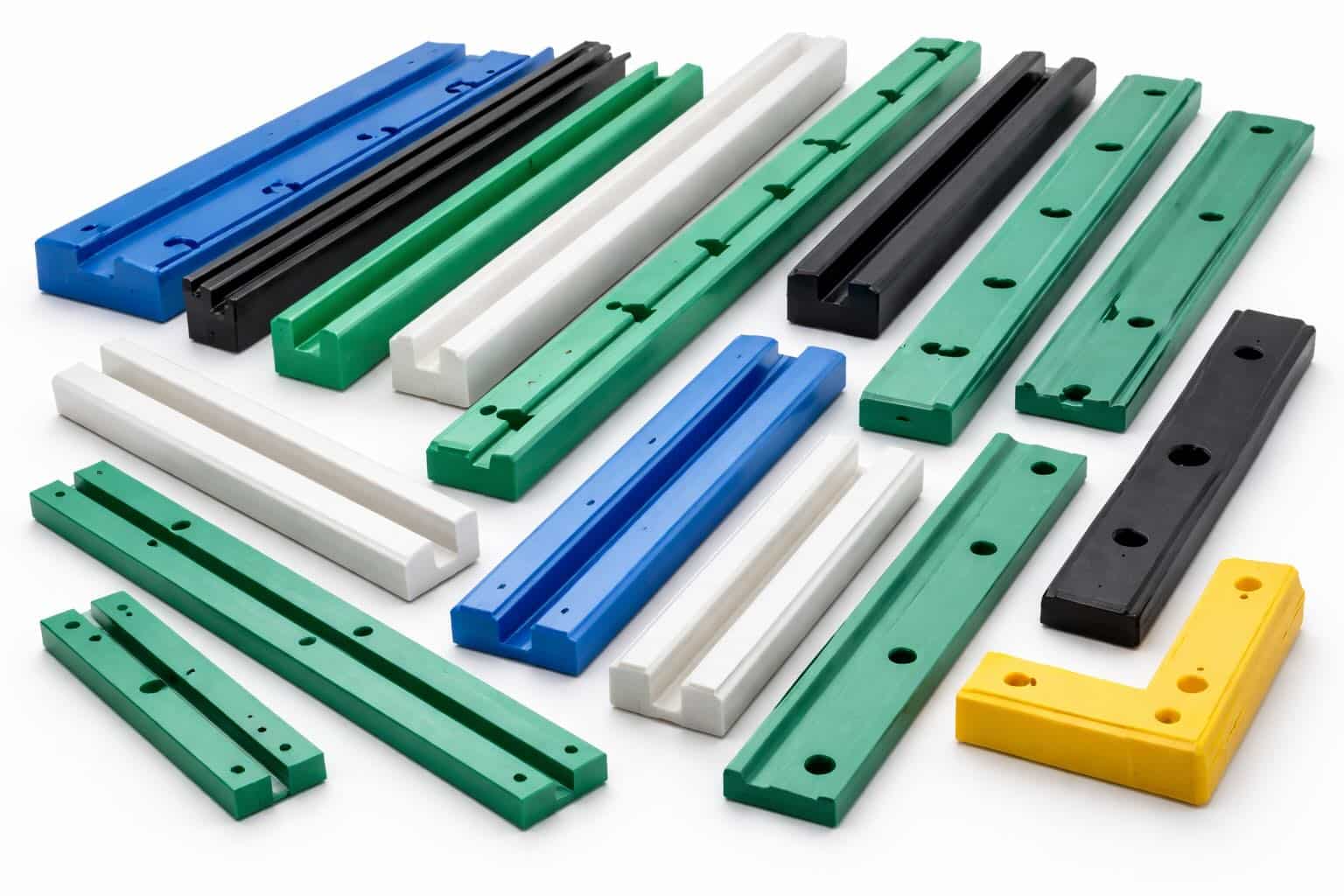
Retail display components are often produced to specific dimensions defined by store fixtures, shelving systems, or branded display designs.
Many components are therefore drawing-led, with fabrication processes such as plastic welding, CNC machining, forming, and assembly used to achieve the required shapes and finishes.
Custom fabrication allows display components to integrate with existing retail environments while maintaining consistent visual presentation.
Design Considerations in Retail Display Systems
- Integration with shelving systems and store fixtures
- Ease of cleaning and maintenance
- Resistance to scratching from product handling
- Compatibility with lighting conditions and store aesthetics
Durability in High-Traffic Retail Environments
- Resistance to cracking or chipping
- Surface durability against frequent contact
- Structural stability for freestanding displays
- Edge finishing to prevent damage during handling
Integration With Retail Fixtures and Store Layouts
- Gondola shelving systems
- Slatwall and gridwall displays
- Countertop merchandising fixtures
- Wall-mounted display units
Maintenance and Cleaning Considerations
- Compatibility with commercial cleaning agents
- Surface resistance to smearing or staining
- Maintenance of clarity after repeated cleaning
- Resistance to yellowing under lighting exposure
Visual Presentation and Branding
- Transparent or coloured materials
- Polished or matte surface finishes
- Integrated signage or product information holders
- Custom shapes aligned with brand design guidelines
Because plastics can be easily fabricated into complex shapes, they allow display systems to align with visual merchandising strategies while maintaining practical durability.
Alternative Options:
All components used in this application are manufactured in-house using controlled, drawing-led production processes. We do not supply generic or off-the-shelf products. Each part is produced to specification to meet defined mechanical, environmental, and installation requirements.