Tanks, Fluid & Containment Systems

Overview
Tanks, fluid handling components, and containment systems are used to store, transfer, and manage liquids in industrial, commercial, and processing environments. These systems are commonly manufactured from engineered plastics because they offer chemical resistance, corrosion resistance, and long-term durability in fluid contact applications.
- Chemical processing and manufacturing
- Water treatment and utilities
- Food and beverage processing
- Agriculture and irrigation systems
- Industrial cleaning and washdown environments
- Laboratories and research facilities
Typical Requirements
- Chemical resistance to stored liquids
- Structural strength for liquid loads
- Abrasion resistance in process environments
- Temperature resistance for heated or cooled fluids
- UV stability for outdoor installations
- Leak prevention and containment reliability
- Compatibility with fittings and pipe connections
- Hygiene requirements for food or water systems
Applications in This Category
The following applications are commonly included within tanks and fluid containment systems:
Chemical Storage Tanks
Used to safely store industrial chemicals while resisting corrosion and chemical degradation.
Water Storage Tanks
Used for potable water, process water, or rainwater storage in commercial and industrial systems.
Secondary Containment Systems
Containment structures designed to capture leaks or spills from primary tanks or equipment.
Tank Liners
Protective internal linings used to improve chemical resistance and extend tank lifespan.
Each application has different design requirements depending on the type of fluid, temperature, and operating environment.
Material Selection Overview
Several plastic materials are commonly used in tank and fluid containment systems depending on chemical compatibility and structural requirements.
- HDPE – General-purpose use, chemical resistance, impact tolerance
- Polycarbonate – High impact resistance with transparency
- Acrylic (PMMA) – Optical clarity where high impact is not critical
- UHMWPE – Low friction and high abrasion resistance
- ABS – Good rigidity and surface finish for interior components
- PVC (Rigid) – Chemical resistance and fabrication versatility
When Custom Fabrication Is Required
Many tanks and containment systems are manufactured to project-specific dimensions based on available space, fluid capacity requirements, and process equipment layouts.
As a result, many installations are drawing-led and require custom fabrication to integrate with piping systems, structural supports, or processing equipment.
Fabrication processes such as plastic welding, CNC machining, forming, and assembly are commonly used to produce these components.
Fluid Storage and Handling Environments
- Industrial manufacturing facilities
- Chemical processing plants
- Agricultural operations and irrigation systems
- Water treatment and wastewater management facilities
Advantages of Plastic Tanks and Containment Systems
Plastic materials are commonly selected for tank and containment systems because they offer several operational advantages compared with traditional materials such as steel or concrete.
Key advantages include:
- High resistance to corrosion from chemicals and moisture
- Compatibility with a wide range of industrial fluids
- Reduced weight compared with metal tanks
- Fabrication flexibility for custom shapes and dimensions
Chemical Compatibility Considerations
One of the most important factors when designing a fluid containment system is chemical compatibility. Different plastics respond differently to various chemicals, solvents, and process fluids.
Important considerations include:
- Resistance to acids, alkalis, and solvents
- Long-term exposure to chemical storage conditions
- Temperature effects on material performance
- Interaction between stored fluids and tank materials
Structural Design of Fluid Containment Systems
Fluid storage systems must support significant loads created by the weight of stored liquids. Proper structural design is essential to maintain safety and long-term reliability.
Design considerations may include:
- Tank wall thickness and reinforcement
- Base support and structural foundations
- Integration with pipework and fittings
- Access openings for inspection or maintenance
Environmental Protection and Spill Containment
Secondary containment systems are often used to prevent environmental contamination in the event of leaks or spills. These containment structures provide an additional safety layer around primary tanks or fluid systems.
Secondary containment may be required in environments such as:
- Chemical storage areas
- Fuel handling facilities
- Industrial processing plants
- Water treatment facilities
Alternative Options:
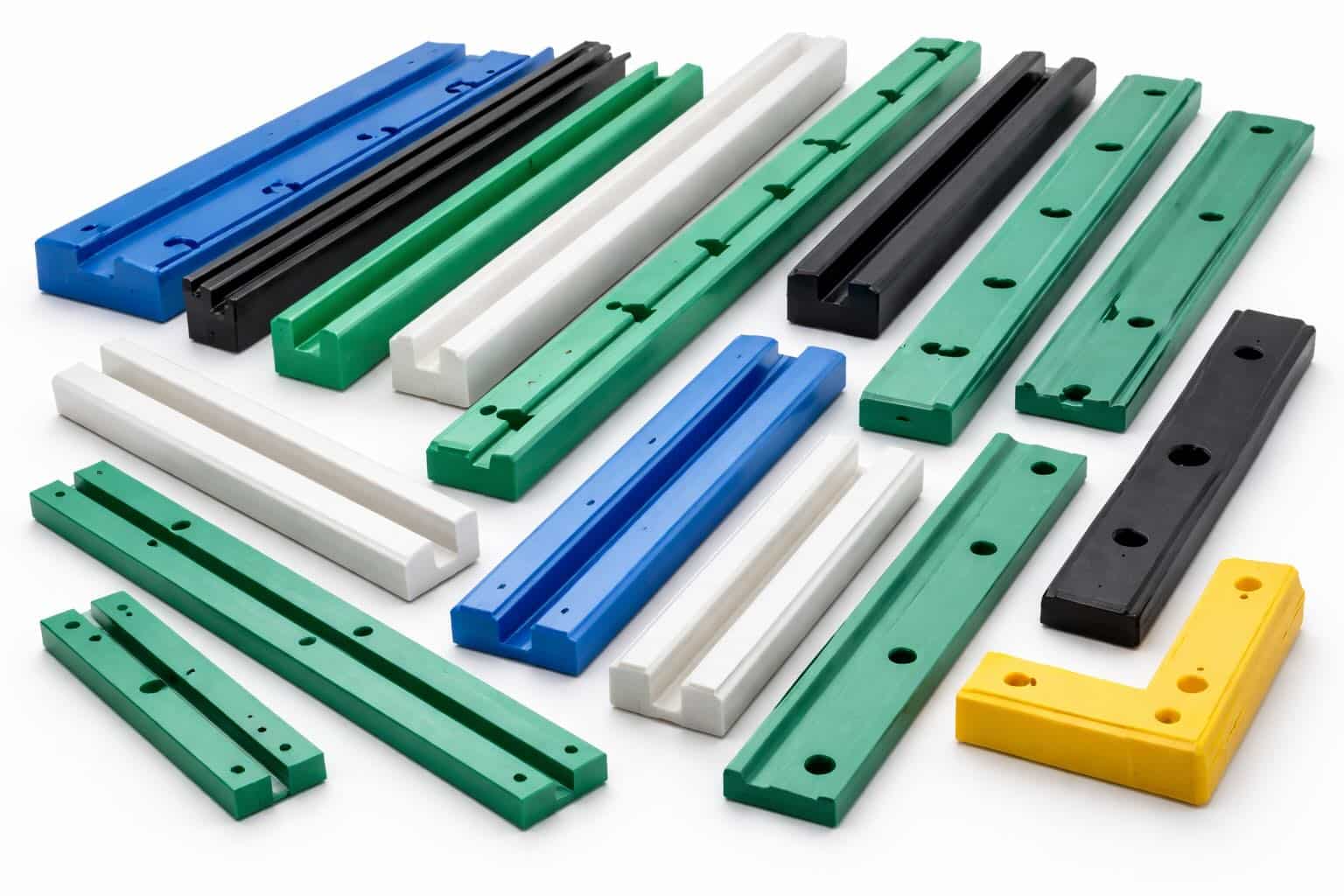
All components used in this application are manufactured in-house using controlled, drawing-led production processes. We do not supply generic or off-the-shelf products. Each part is produced to specification to meet defined mechanical, environmental, and installation requirements.