
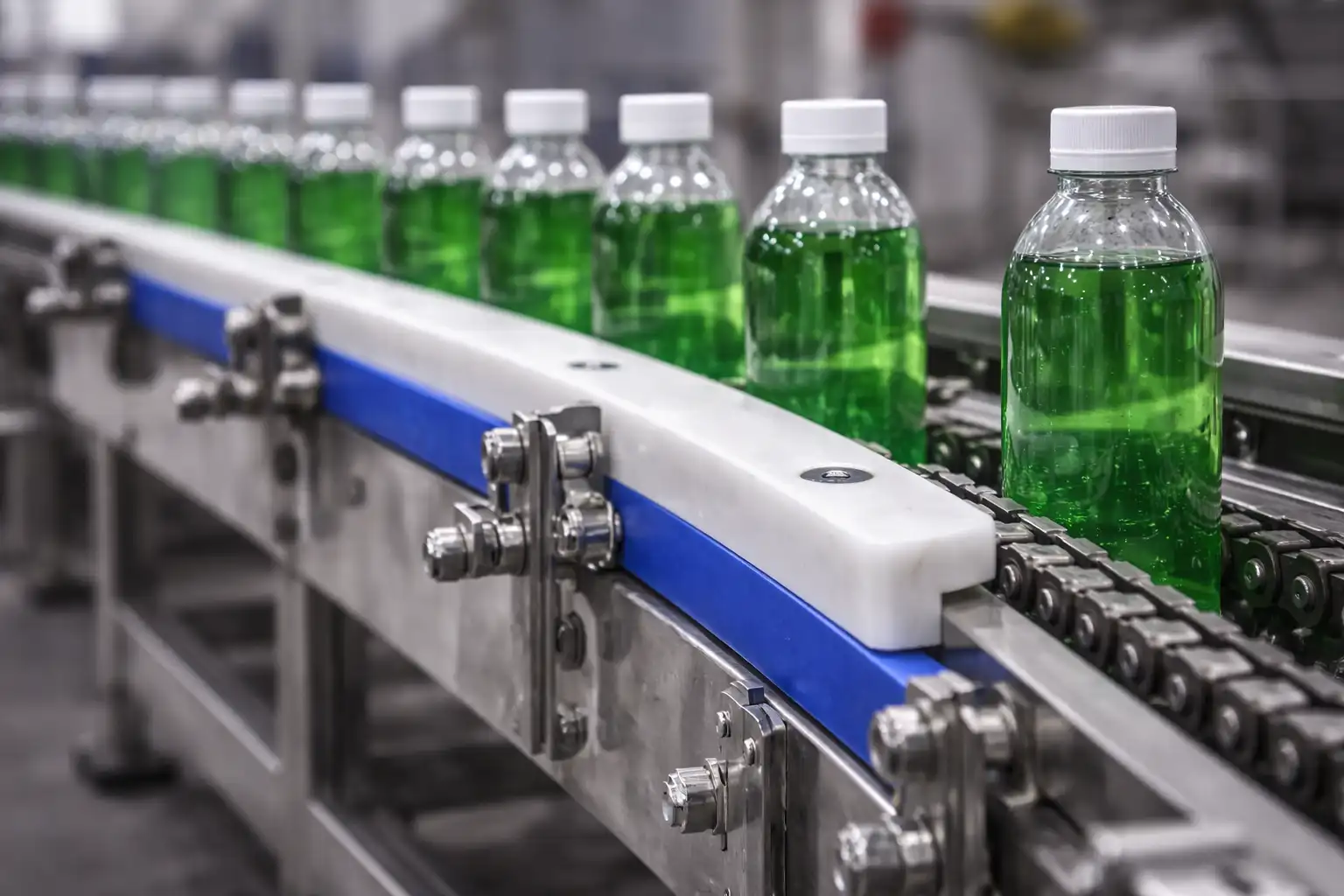
Industrial Wear Strips
Overview
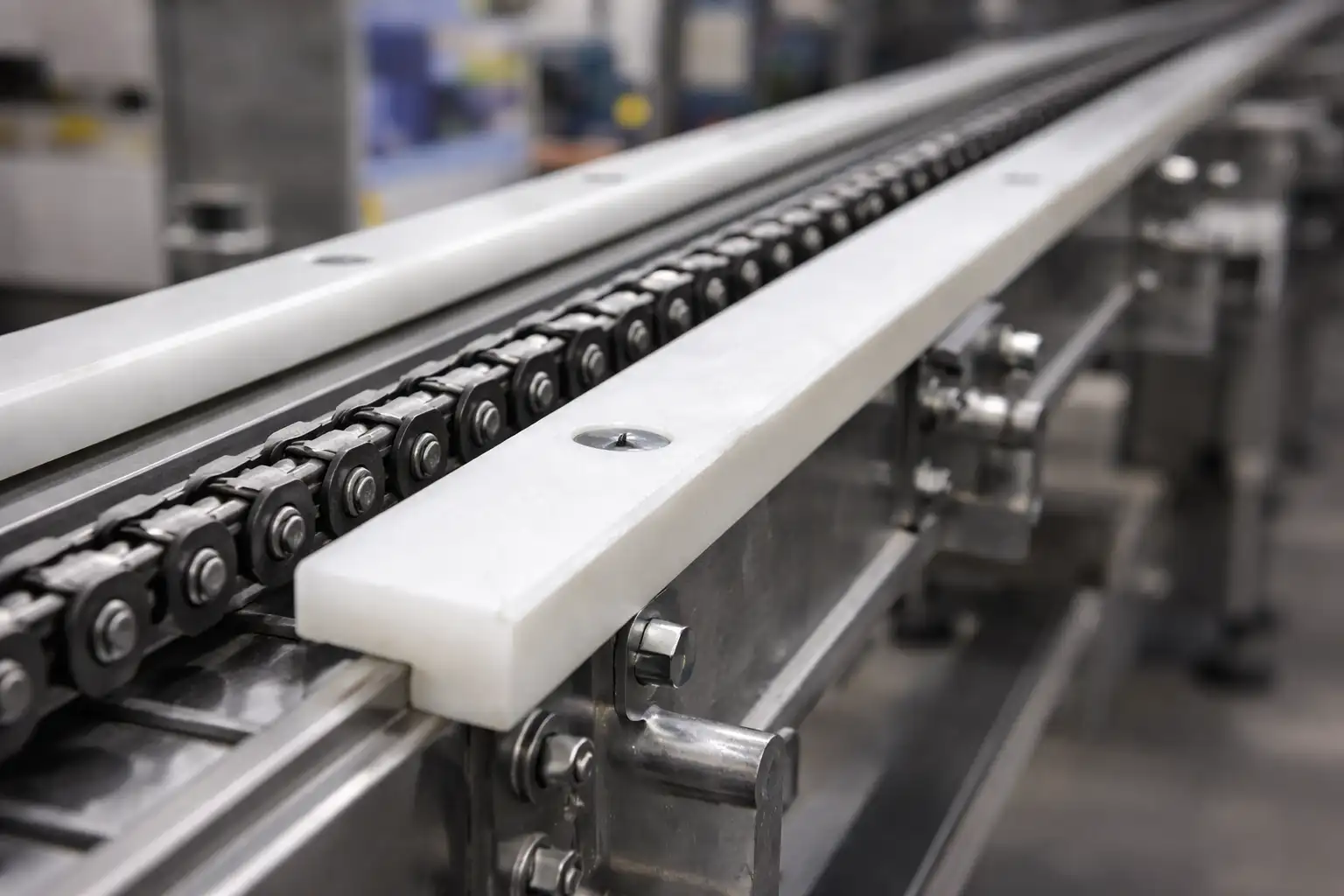
Industrial wear strips are sacrificial plastic components used to protect machinery, equipment, and structures in high-abrasion environments. They reduce friction, minimise damage to critical assets, and extend service life in conveyor systems, material handling equipment, and industrial machinery.
Wear strips are designed to be replaced once worn, preventing costly damage to primary equipment.
Typical Applications
Industrial wear strips are commonly used in:
Conveyor beds and slide rails
Guide rails and side supports
High-wear contact zones
Impact and abrasion points
Machinery frames and structural interfaces
They are widely used across manufacturing, processing, mining, logistics, and warehousing operations.
Key Performance Requirements
Material selection depends on operating conditions. Common requirements include:
High abrasion and wear resistance
Low friction to reduce drag and noise
Impact resistance
Resistance to moisture, chemicals, and contaminants
Ability to be machined, drilled, or countersunk
There is no universal material — the correct choice depends on load, speed, environment, and maintenance strategy.
Recommended Materials for Wear Strips
Material Selection Summary
Highest wear resistance: UHMWPE
Best value: HDPE
Highest strength: Nylon
If unsure, UHMWPE is generally the safest starting point.
Popular Industrial Wear Strip Plastics
-
Seaboard HDPE (Marine Plastic)
$350.96 – $1,348.73Price range: $350.96 through $1,348.73 Select options This product has multiple variants. The options may be chosen on the product page -
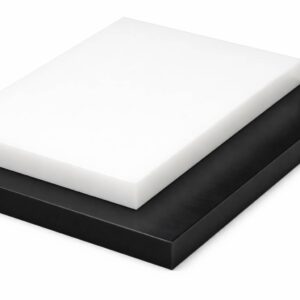
HDPE Sheet
$52.00 – $6,076.00Price range: $52.00 through $6,076.00 Select options This product has multiple variants. The options may be chosen on the product page -
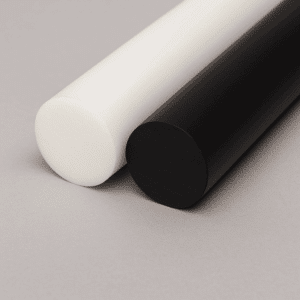
HDPE Rod – Black & Natural
$5.32 – $2,023.25Price range: $5.32 through $2,023.25 Select options This product has multiple variants. The options may be chosen on the product page -
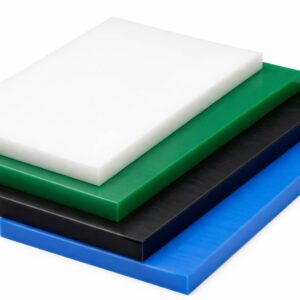
UHMWPE Sheet
$402.93 – $4,757.72Price range: $402.93 through $4,757.72 Select options This product has multiple variants. The options may be chosen on the product page
Fabrication & Processing Services
Most industrial wear strips require fabrication to suit specific equipment, fixing methods, and tolerances. We supply wear strips ready for installation using the following services.
Installation Considerations
When installing wear strips, consider:
Allowance for thermal expansion
Slotted vs fixed mounting holes
Replaceability for maintenance cycles
Correct alignment to avoid edge wear
Proper installation significantly improves service life.
CNC Machining
CNC machining is the preferred method for producing industrial wear strips where accuracy and repeatability are required.
Suitable for
Precision profiles
Fixing holes and slots
Countersunk fasteners
Repeated or production quantities
Related Applications
You may also be interested in:
Bearings, Rollers & Sliding Components
Frequently Asked Questions
Industrial wear strips are used to protect equipment surfaces exposed to sliding contact, abrasion, or impact. They are commonly installed in conveyor systems, guide rails, machinery frames, and material handling equipment to reduce wear and extend service life.
- Conveyor beds and slide rails
- Packaging and processing lines
- Mining and bulk material handling systems
- Automated production equipment
- Chain and belt guides
- Truck bodies and transfer points
They are typically installed in high-friction or high-abrasion zones.
UHMWPE is the most commonly specified material for conveyor wear strips due to its extremely low friction and high abrasion resistance. HDPE may be suitable for lighter-duty applications, while nylon is used where higher structural strength is required.
In many sliding and wear applications, plastic wear strips can replace steel components to reduce noise, friction, and corrosion. However, they are not suitable for structural load-bearing applications unless specifically designed for that purpose.
Thickness depends on load, impact level, and mounting method. Heavier-duty conveyor or impact applications typically require thicker material and reinforcement. Provide dimensions and operating conditions for accurate guidance.
Yes. Wear strips can be CNC machined to include:
- Drilled or slotted mounting holes
- Countersunk fasteners
- Recesses or rebates
- Custom profiles
Components can be supplied ready for installation.
Yes. Plastics such as UHMWPE and HDPE expand and contract with temperature changes. Mounting holes are often slotted to allow movement and prevent stress cracking.
HDPE, UHMWPE, and polypropylene offer good resistance to moisture and many chemicals. Material selection should match the specific chemical or fluid exposure.