
Perspex Online

Ute Tray Sliders

Union | Perspex Online
Ute Tray Sliders 1 | Perspex Online

Overview

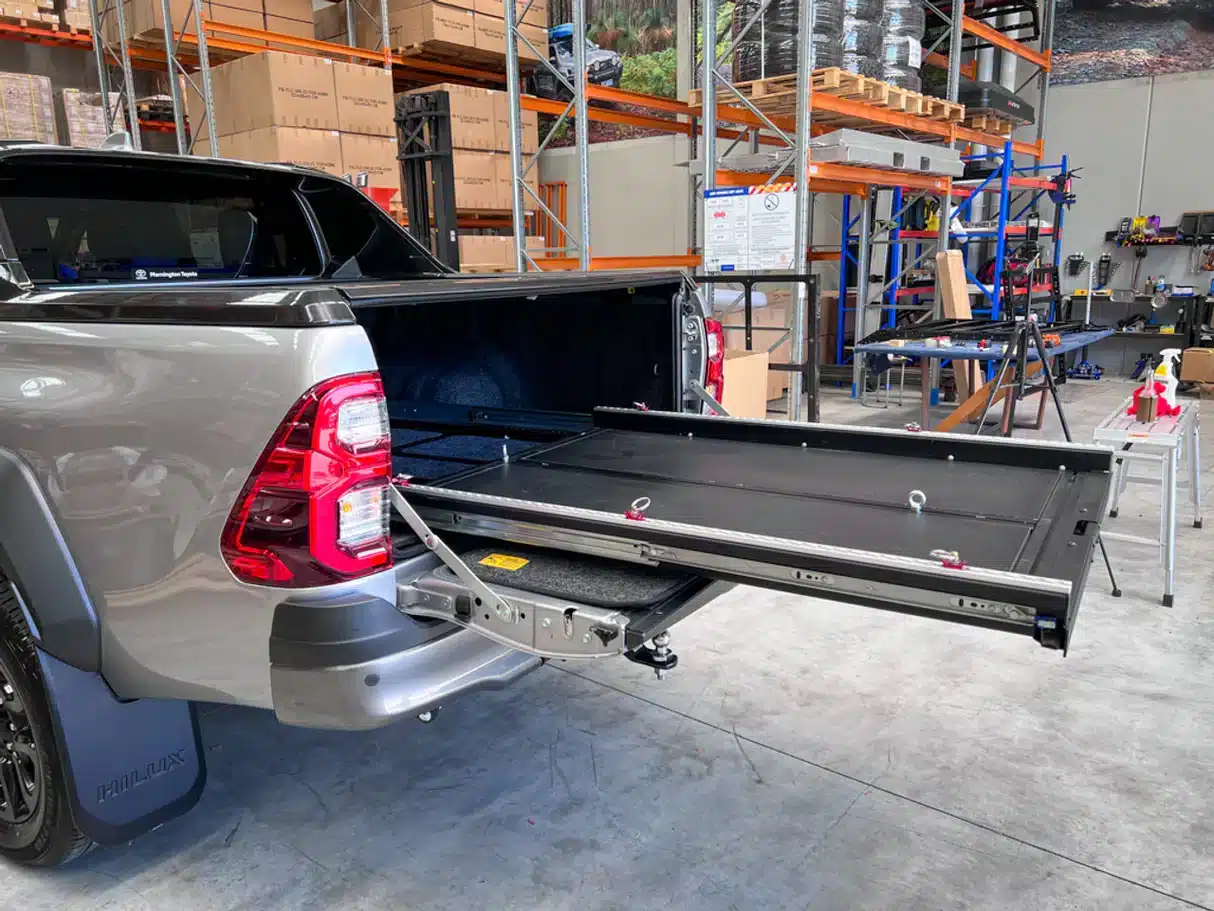
Ute tray sliders are low-friction plastic wear strips or full-surface sliding panels installed on utility vehicle trays to allow loads to move more easily during loading and unloading. They reduce friction between the tray surface and transported materials such as toolboxes, palletised goods, equipment housings, or bulk items.

This application focuses on custom-machined plastic slider components manufactured to drawing. Sliders are produced to suit specific tray dimensions, rib layouts, and mounting configurations. These are fabricated parts for commercial and fleet applications — not universal aftermarket accessories.

Where It’s Used

  • Trade utes carrying toolboxes and plant

  • Service vehicles with heavy equipment modules

  • Fleet utility vehicles

  • Mining and civil site vehicles

  • Agricultural transport

  • Council and infrastructure maintenance vehicles


Sliders may be supplied as discrete wear strips aligned with tray ribs or as larger sliding panels depending on the load profile.

sliders | Perspex Online
Ute Trays Sliders

Why Plastic Is Used

Plastic is commonly used for tray sliders because it:

  • Provides low surface friction

  • Reduces manual handling effort

  • Minimises abrasion between load and tray

  • Absorbs impact without damaging cargo

  • Resists corrosion and moisture

  • Operates quietly compared to metal-on-metal contact


Material selection is based on friction coefficient, wear rate, and load intensity.

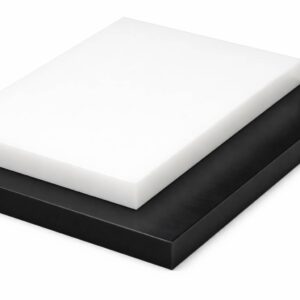
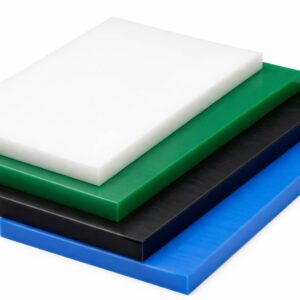
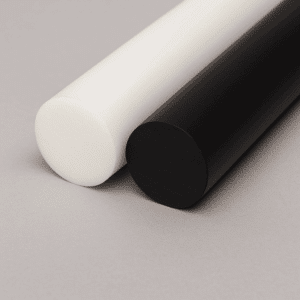
Recommended Materials for Ute Tray Sliders

Custom Manufactured to Your Drawings

Ute tray sliders are typically drawing-led and produced to match specific tray configurations.

We manufacture from:

  • CAD files (DXF, DWG, STEP)

  • Body builder drawings

  • Dimensioned tray layouts

  • Physical measurements or templates

Production supports:

  • One-off custom builds

  • Small batch fabrication

  • Repeat fleet rollouts

All components are CNC machined in-house for consistent tolerances and alignment with tray ribs, tie-down channels, and structural members. Hole spacing, strip width, and thickness are defined by application requirements.

Popular Ute Tray Sliders

Typical Applications

  • Longitudinal wear strips aligned with tray ribs

  • Crosswise sliding strips for modular load systems

  • Full sliding panels under equipment modules

  • Heavy-duty slider blocks for machinery transport

  • Replaceable low-friction strips in service bodies

  • Sliding interfaces for removable toolbox systems

  • Equipment mounting bases requiring reduced drag

Key Performance Requirements

  • Low coefficient of friction

  • High abrasion resistance

  • Resistance to indentation from point loads

  • Impact resistance under shifting cargo

  • Dimensional stability under load

  • Resistance to cracking at fixing points

Material Selection Summary

  • UHMWPE – Best suited for heavy-duty sliding and high-wear environments.

  • HDPE – Suitable for general trade use and moderate sliding loads.

  • Acetal – Used where higher stiffness and tighter tolerances are required.

Selection depends on load weight, contact pressure, and duty cycle.

Design & Installation Considerations

  • Confirm tray rib spacing and structural support

  • Define expected maximum load weight

  • Allow for point-load concentration

  • Avoid sharp internal corners in strip profiles

  • Provide expansion clearance

  • Specify fixing intervals to prevent movement


For high-load commercial fleets, replaceable slider strips are often preferred to allow maintenance without full panel replacement.

sliders | Perspex Online

Alternative Options:

All components used in this application are manufactured in-house using controlled, drawing-led production processes. We do not supply generic or off-the-shelf products. Each part is produced to specification to meet defined mechanical, environmental, and installation requirements.

Frequently Asked Questions

What material is best for ute tray sliders? +

UHMWPE is typically preferred for heavy sliding loads due to its low friction and abrasion resistance.

What thickness is recommended? +

Thickness depends on load weight and contact area. Common ranges are 10–20mm for heavy-duty applications.

Can sliders be supplied as individual strips? +

Yes. Individual wear strips aligned with tray ribs are common.

Are sliders structural components? +

They function as wear and friction-reduction components, not primary structural members.

Can they handle palletised loads? +

Yes, provided thickness and support spacing are correctly specified.

Will they reduce manual handling effort? +

Low-friction materials can reduce drag when sliding heavy modules.

Send Us Your Drawing

Selecting the correct material and fabrication approach for automotive and fleet applications requires consideration of load type, environment, installation method, and service life expectations.