


Acrylic Splashbacks Cut to Size
Acrylic splashbacks cut to size for kitchens, laundries and bathrooms. Seamless, grout-free panels in any colour with cut-outs for power points.
4.8 / 5
Google Rating
24hr
Quote Turnaround
Australia Wide
Delivery
Start Your Project
Partner with Australia's leading acrylic fabrication experts. We provide end-to-end support from material selection to final delivery.
Material Consultation
Our engineers help you select the optimal grade for your specific environmental and aesthetic requirements.
CAD Support
Send us your designs in DXF, DWG, or PDF. We review every file for structural integrity and precision cutting paths.
Fast Quoting
Receive a comprehensive technical specification and competitive quote within 24 hours of your submission.
Recommended Materials
Selecting the right base material for this application.
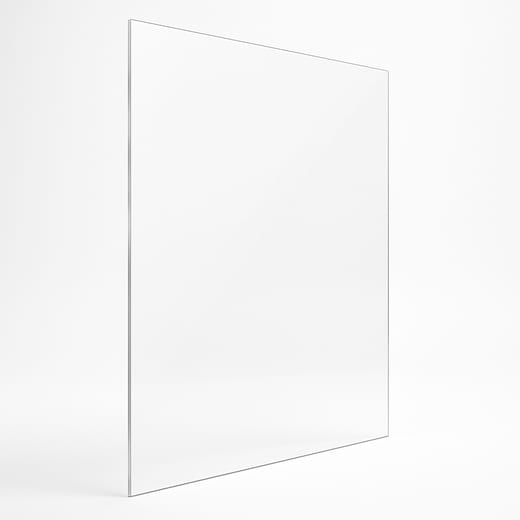
Acrylic Splashbacks Cut to Size for Kitchens, Laundries and Bathrooms
A splashback has one job: protect the wall behind a bench, sink or tub from water, grease and splatter, and look good doing it. An acrylic splashback does that with a single seamless panel that is lighter than glass, tougher than tiles and available in virtually any colour. Perspex Online cuts every panel to your wall measurements, so it arrives ready to bond with no joins, no grout lines to stain and no cracked or chipped tiles to replace later.
Installation is straightforward: panels bond directly to a clean, flat wall with a neutral-cure silicone or a panel adhesive recommended for acrylic, making it a practical DIY job or a quick install for a kitchen fitter. There are no wet trades, no grout curing time and no specialist glass handling equipment.
Acrylic vs Glass vs Tiles: Which Splashback Suits Your Job?
Each splashback material has a place, and the right choice depends on where the panel sits and what it has to put up with.
Acrylic splashbacks are the lightest and easiest option to handle. A full-length panel can be carried and fitted by one or two people, cut-outs can be adjusted on site with standard tools, and the material is far more impact resistant than glass. It is usually the most affordable way to get a seamless, high-gloss colour splashback. The trade-off is that acrylic is softer than glass, so it can scratch if scrubbed with abrasive pads, and it must be kept away from direct cooktop heat.
Toughened glass splashbacks are harder wearing on the surface and handle more heat, which is why glass is often chosen for the zone directly behind a cooktop. Glass has to be measured, toughened and cut-out before it is toughened, so it cannot be altered on site, and it is heavier and more expensive to supply and install.
Tiles are durable and heat tolerant, but grout lines collect grease and mould, and replacing a single cracked tile is rarely invisible. Many renovators now pair an acrylic splashback along the bench and sink with a glass or stainless steel section behind the cooktop, which gives the seamless look without asking acrylic to do a job it is not suited to.
Colours, Finishes and Visual Effects
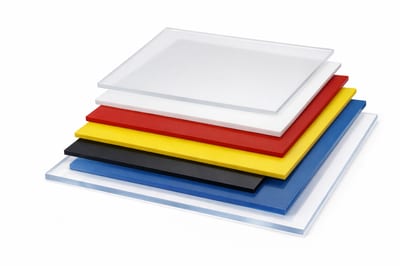
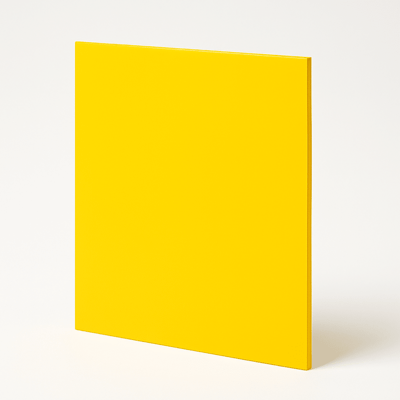
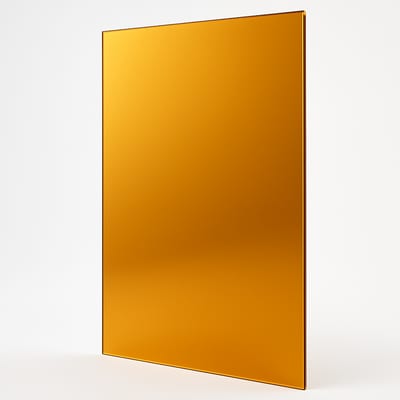
The Perspex Spectrum range offers a broad palette from brilliant whites and soft neutrals through to bold reds, blues and greens, all with a consistent high-gloss face. For softer translucent colour, Perspex Tints work well in laundries and bathrooms where natural light passes nearby. For metallic or mirrored effects, acrylic mirror sheet gives a bright, reflective splashback that makes a small kitchen feel larger.
Back-painted clear acrylic is another option for achieving an exact colour match: any paint colour can be applied to the back face of a clear acrylic sheet, with the paint protected behind the acrylic surface and visible as a deep, glossy colour from the front. Browse the full acrylic sheet range if you want to compare colours and thicknesses side by side.
Heat and Cooktop Clearance: Be Realistic About Acrylic
Acrylic is a thermoplastic. It softens at a far lower temperature than glass or tile, so it must not be installed where it will see direct heat or flame from a cooktop, oven vent or appliance exhaust. Behind gas burners in particular, heat and flame sit close to the wall, and acrylic is not the right material for that zone.
Every cooktop has its own installation instructions, and they specify the minimum clearances to walls and combustible or heat-sensitive surfaces. Always follow the cooktop manufacturer's clearance requirements and any local building requirements before placing an acrylic panel near a cooking appliance. Where the clearance cannot be met, use toughened glass, stainless steel or tiles behind the cooktop and run acrylic along the rest of the bench. If you are unsure, send us a sketch of the layout and we will talk you through the options.
Sizing Around Power Points, Switches and Taps
Most splashbacks need cut-outs for power points, light switches, tap bodies and window reveals. Measure the wall at the top, middle and bottom, because walls are rarely perfectly square, then mark each cut-out as a distance from the left edge and the bench top to its centre and its outside dimensions. Measure the wall plate size of each power point rather than the mechanism behind it, so the cover plate sits over the acrylic once refitted.
Allow a small expansion gap of a few millimetres at each end and above the bench, which is later filled with a flexible silicone bead. Acrylic expands and contracts more than plaster or tile with temperature changes, so it should never be tightly wedged between two walls. Removing and refitting power point and switch plates is electrical work in most states, so have a licensed electrician do that part of the job.
Kitchen Splashback Benefits
Away from the cooktop zone, behind sinks, along bench runs and around appliance stations, acrylic performs very well. The non-porous surface resists grease and food splatter and wipes clean with a damp microfibre cloth and mild detergent. Unlike tiled splashbacks, there are no grout lines to absorb grease or develop mould. Avoid ammonia-based cleaners and abrasive pads, which can cloud or scratch the surface.
Bathroom and Laundry Splashbacks
In bathrooms and laundries, acrylic splashbacks provide a waterproof, mould-resistant surface behind vanities, basins and laundry tubs. The seamless surface is far easier to keep clean than tiles in a wet environment, and the colour options let the splashback become a design feature rather than just a functional surface. See our dedicated guide to laundry splashbacks for tub-specific tips.
Frosted or opal acrylic can also be used for shower walls in some configurations, though full wet-area shower applications should be discussed with us for material thickness and fixing recommendations. Our acrylic shower wall panels page covers that in more detail.
Ordering Custom Splashback Panels
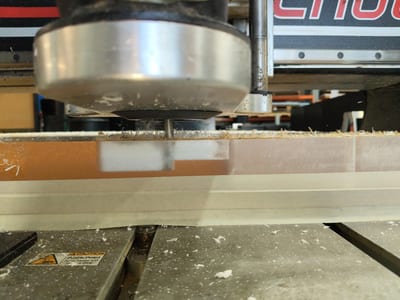
Every splashback panel is cut to your wall dimensions on our CNC router, with cut-outs for power points, switches and plumbing penetrations positioned exactly where needed. Smaller panels and detailed shapes can also be produced with our laser cutting services. For simple rectangles, get an instant price ex GST in the pricing calculator, or provide a dimensioned sketch of your wall with cut-out positions marked and we will quote a panel ready to bond.
For multi-wall splashback jobs, we can produce all panels from a single order with consistent colour across every piece. Most splashbacks are made from 3mm to 6mm acrylic depending on panel size and how flat the wall is. Perspex Online ships Australia-wide.
Featured Products
Products commonly used for this application.

Services Involved
Our services relevant to this use case.
Need help with your acrylic splashbacks cut to size project?
Our engineers provide expert guidance on material selection, design optimisation, and fabrication.
Acrylic Splashbacks Cut to Size FAQ
Can an acrylic splashback go behind a cooktop?
Is acrylic or glass better for a kitchen splashback?
How do I measure a splashback with power points?
What thickness acrylic is used for splashbacks?
How are acrylic splashbacks installed and cleaned?
More in Kitchen, Bathroom & Wet Areas
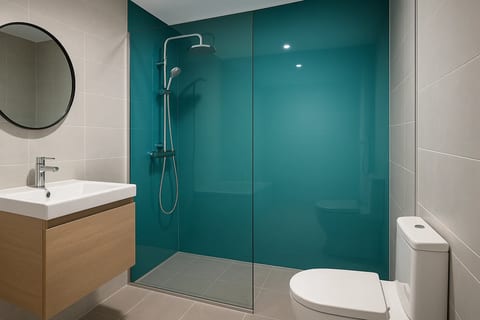
Acrylic Shower Wall Panels
Grout-free acrylic shower wall panels and splashback surrounds for seamless, waterproof bathroom finishes. DIY-friendly cut-to-size panels in clear, colour and tinted options.
Read more
Laundry Splashbacks
Custom acrylic laundry splashback panels. Waterproof, mould-resistant, and easy to clean. Cut to size with tap and power point cut-outs.
Read moreRelated from other industries

Acrylic Secondary Glazing Panels for Windows
Clear acrylic and polycarbonate secondary glazing panels cut to size for DIY window insulation, noise reduction and draught proofing in homes and rentals.
Read more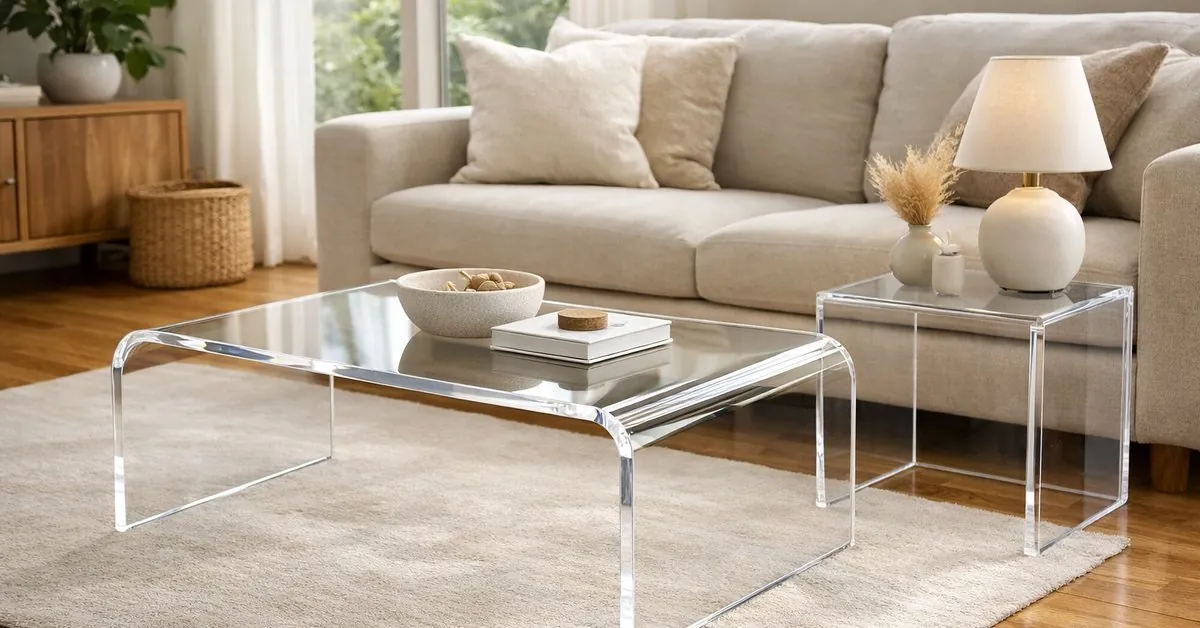
Acrylic Coffee Tables, Side Tables & Furniture
Clear acrylic coffee tables, side tables, consoles and benches made to size in thick cast acrylic, heat-bent into waterfall shapes with polished edges.
Read more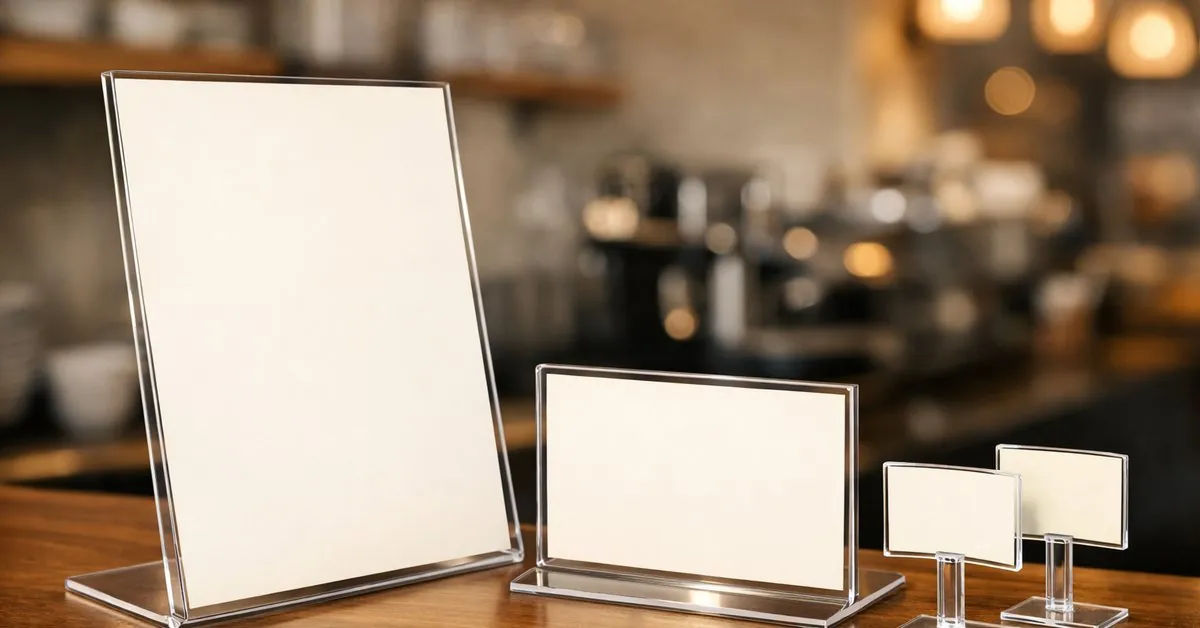
Acrylic Sign Holders, Menu Holders & Table Number Holders
Clear acrylic sign holders made to size: A4 and A5 slanted-back holders, L-shaped menu holders, T-shaped table number holders and wall-mounted pockets.
Read moreReady to start your acrylic splashbacks cut to size project?
Join thousands of businesses across Australia who trust Perspex Online for precision-cut industrial plastics.
Guides & articles
Clear Plastic Sheet: Which Type to Choose for Your Project
Choosing a clear plastic sheet? Compare acrylic, polycarbonate, PETG and PVC for clarity, impact strength and UV, then order cut to size in Australia.
Read guide →guidesPerspex Sheets: A Practical Buyer's Guide for Australia
Shopping for Perspex sheets? Learn the main ranges, how to choose finish, thickness and size, when to pick something else, and how to order cut to size.
Read guide →guidesAcrylic Sheet Guide: Types, Finishes and How to Choose
Learn what acrylic sheet is, how cast and extruded differ, which finishes and thicknesses suit your project, and how to order cut to size in Australia.
Read guide →guidesTop 10 Ordering Mistakes With Plastic Materials (And How to Avoid Them)
Avoid common plastic ordering errors by selecting proper thickness, material type, and UV resistance; ensuring precise measurements; considering tolerances; and consulting suppliers for smooth, cost-effective projects.
Read guide →guidesThe Ultimate Guide to Choosing Cut-to-Size Plastic Sheets for Trade and DIY Projects
Guide to cut-to-size plastic sheets: choose the right material (acrylic for clarity, polycarbonate for strength), select proper thickness and finish for durability and look, and use precision cutting and custom fabrication for best results.
Read guide →fabricationFrom CAD to Cut: The Science and Technology Behind Precision Cut-to-Size Plastics
Perspex Online uses advanced CAD/CAM, CNC routing, and laser cutting technologies for precise, high-quality plastic fabrication. They offer diverse materials, eco-friendly options, instant quotes, nationwide delivery, and expert support.
Read guide →