

Technical Specifications
| Polymer Type | Polypropylene (PP-H / PP-C, grade dependent) |
| Density | 0.91 g/cm³ |
| Water Absorption (24h @ 23°C) | < 0.01% |
| Tensile Strength | 25–35 MPa |
| Tensile Modulus | 1.3–1.7 GPa |
| Flexural Strength | 35–45 MPa |
| Elongation at Break | 200–600% |
| Continuous Service Temp | -10°C to +100°C |
| Melting Point | ~160–165°C |
| UV Resistance | Poor (UV-stabilised grades available) |
| Weather Resistance | Poor (outdoor use requires UV grade) |
| Chemical Resistance | Excellent |
Certifications & Downloads
Polypropylene Sheet
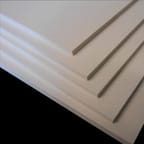
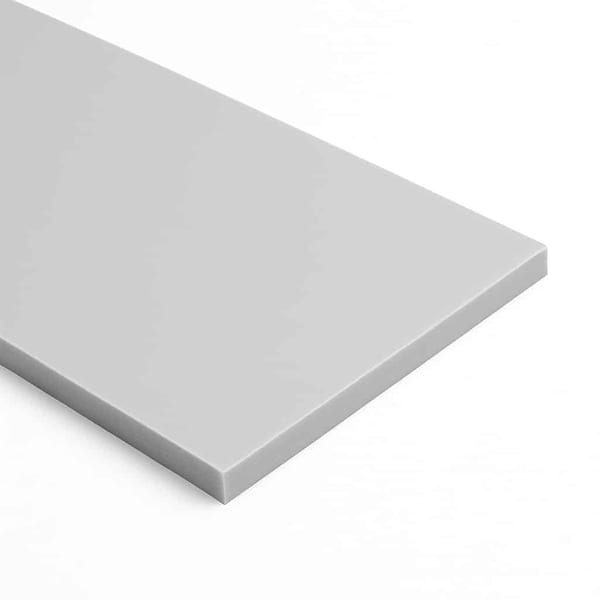
Polypropylene Sheet – Natural & Grey (2mm to 40mm Thickness)Durable, lightweight, and chemically resistant, polypropylene sheets are ideal for a wide range of industrial, chemical, and fabrication…


Optional finishing services - toggle any you need.
Optional. Add drilled holes to your piece.
Clear acrylic only - optical-grade edge finish
Pick which edges to polish.
Flame polish is only available on acrylic.
Manual router - per-corner price scales with thickness
Rounded or 45 degree bevel - per-metre rate x thickness
A rounded edge can be at most half the sheet thickness.
| - - | - |
|---|---|
| Quantity | - |
| Drill holes | - |
| Flame polish | - |
| Rounded corners | - |
| Edge profile | - |
| Cutting & Setup Fee Charged once per order | - |
| Shipping | estimate above |
Why choose Polypropylene Sheet?
Polypropylene Sheet Durable, Chemically Resistant, and Versatile
Key Properties:
Standard Applications:
Available Grades:
Modified Grades:
Standard Colours:
- Excellent Chemical Resistance: Highly resistant to a wide range of acids, bases, and solvents, making it ideal for chemical storage tanks , liners, and process equipment.
- Superior Mechanical Strength: Excellent stiffness, impact strength, and very high fatigue resistance, even under long-term load and stress.
- Thermoformable: Easily formed into complex shapes using heat, making it ideal for custom trays, covers, and housings.
- Food-Safe: Natural grades (low transparency) are approved for food contact, suitable for food industry applications such as cutting boards, trays, and process equipment.
- Corona Treatable: Can be surface-treated for printing, gluing, or labelling via corona discharge.
- Electrical Performance: Available in electrically conductive and static dissipative grades for ESD-sensitive environments.
- Limitations:
Not naturally UV-resistant – requires UV stabilisers for prolonged outdoor exposure. - Bearings & bushings
- Pump components
- Tank and chemical liners
- Industrial trays and covers
- Cutting surfaces and worktops
- Cleanroom and food processing surfaces
- Homopolymer – Higher stiffness and strength, ideal for machined parts .
- Copolymer – Better impact resistance and low-temperature performance.
- Glass-filled for added stiffness
- Electrically conductive
- Static dissipative
- Fire-retardant (FR) formulations
- Natural (translucent white)
- Grey
- Custom colours available on request
Polypropylene (PP) sheet is a highly underrated thermoplastic known for its outstanding balance of chemical resistance, mechanical performance, and cost-efficiency. With minimal moisture absorption (just 0.03%) and a wide continuous operating temperature range from -160°C (copolymer) to +100°C, and excursions up to +130°C, polypropylene is well-suited for a variety of industrial, fabrication, and chemical handling applications.
Not resistant to aromatic or chlorinated hydrocarbons, and must avoid contact with copper or manganese, which can degrade the polymer structure.
Ready to order your Polypropylene Sheet?
Cut to size, precision finished and dispatched Australia-wide. Not sure which material suits your job? We'll help you choose the right one.
Related Products
Technical Specifications
| Polymer Type | Polypropylene (PP-H / PP-C, grade dependent) |
| Density | 0.91 g/cm³ |
| Water Absorption (24h @ 23°C) | < 0.01% |
| Tensile Strength | 25–35 MPa |
| Tensile Modulus | 1.3–1.7 GPa |
| Flexural Strength | 35–45 MPa |
| Elongation at Break | 200–600% |
| Continuous Service Temp | -10°C to +100°C |
| Melting Point | ~160–165°C |
| UV Resistance | Poor (UV-stabilised grades available) |
| Weather Resistance | Poor (outdoor use requires UV grade) |
| Chemical Resistance | Excellent |
Certifications & Downloads
Frequently Asked Questions
What are polypropylene sheets used for?
A: Polypropylene (PP) sheets are used in applications requiring chemical resistance, low moisture absorption, and weldability. Common uses include chemical tanks, liners, ducting, fume hoods, laboratory equipment, water treatment components, and fabricated industrial parts.
What are the key properties of polypropylene sheet?
Can polypropylene sheet be welded?
Can polypropylene sheet be machined or cut?
Is polypropylene sheet suitable for outdoor use?
Need this custom cut or fabricated?
Send us your drawing (DXF, DWG, PDF, EPS, STEP) and we'll quote your Polypropylene Sheet to spec.
What you can make with Polypropylene Sheet
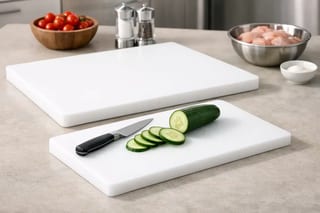
Cutting Boards
Food-grade HDPE boards for commercial kitchens and processing.
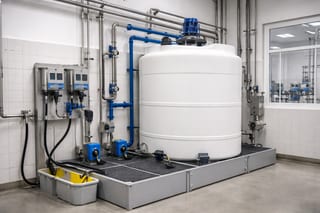
Chemical Tanks
PVC fabricated tanks for aggressive chemical storage and dosing.
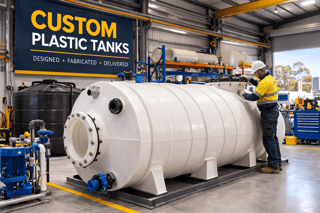
Plastic Tanks
HDPE fabricated tanks for water, chemical, and industrial storage.
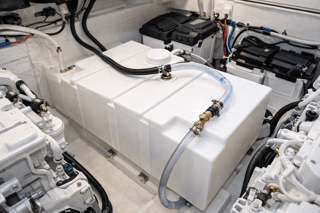
Marine Tanks
HDPE tanks for bait, live wells, and onboard water storage.
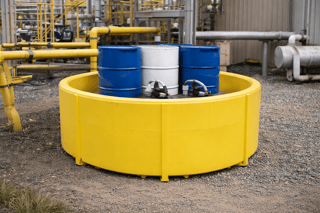
Containment Systems
PVC bund lining and secondary containment for chemical storage.
Welded Assemblies
Hot-air and extrusion-welded PP fabrications for tanks and ducting.
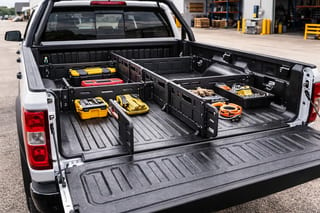
Ute Dividers
Custom HDPE ute tray dividers for separating loads, tools and equipment. Tough, weatherproof plastic panels cut to size for tradies and fleet vehicles.
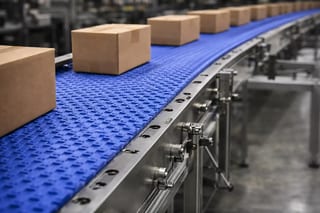
Conveyor Components
Polypropylene guides and trays for wet and corrosive environments.
Guides & articles
7 Types of Plastic and Their Resin Identification Codes (RICs)
We’re surrounded by plastic-from food containers to clothing, it is very unmistakably a part of modern life. Not all plastics are created equal, though. Knowing the various kinds of plastic and their corresponding Resin Identification Codes (RICs) is fundamental to recycling and reuse, as well as in choosing products we consume. The resins used for […]
Read guide →latest newsHistory of Australian Care
From the moment we wake up to the time we go to bed, we are surrounded by plastic products. It is hard to imagine a world without plastic, as it has become so ubiquitous. The convenience and versatility of plastic have made it a popular material in every industry. However, with every passing day, the […]
Read guide →industryPlastic Fabrication Trends 2023
Plastic fabrication has been a critical part of manufacturing for many years, and it continues to evolve with new technologies and trends. In 2023, we can expect to see some exciting advancements in plastic fabrication that will revolutionise the industry. Here are some of the latest plastic fabrication trends to watch out for in 2023: […]
Read guide →comparisonsThe Differences between Fabricated and Roto-moulded Tanks
There are five important areas where Chemical Vessels fabricated from extruded HDPE differ from Roto-moulded vessels manufactured from LLDPE, LDPE or LMDPE. Ability to Design a TANK that suits its PURPOSE All plastics materials that are subject to stress will age with time. This requires that vessels holding dangerous chemicals are manufactured from materials whose […]
Read guide →Processing Services
Services available for this product
Plastic Welding
Hot-air and extrusion welding for PP tanks and ducting.
Learn moreTank Fabrication
Custom PP tanks, vessels, and bund linings.
Learn moreCNC Routing
Profiling, drilling, and cutting polypropylene sheet.
Learn moreFabrication
Bending, assembly, and finishing of PP components.
Learn moreBest sellers