



Acrylic Secondary Glazing Panels for Windows
Clear acrylic and polycarbonate secondary glazing panels cut to size for DIY window insulation, noise reduction and draught proofing in homes and rentals.
4.8 / 5
Google Rating
24hr
Quote Turnaround
Australia Wide
Delivery
Start Your Project
Partner with Australia's leading acrylic fabrication experts. We provide end-to-end support from material selection to final delivery.
Material Consultation
Our engineers help you select the optimal grade for your specific environmental and aesthetic requirements.
CAD Support
Send us your designs in DXF, DWG, or PDF. We review every file for structural integrity and precision cutting paths.
Fast Quoting
Receive a comprehensive technical specification and competitive quote within 24 hours of your submission.
Recommended Materials
Selecting the right base material for this application.
What Secondary Glazing Does
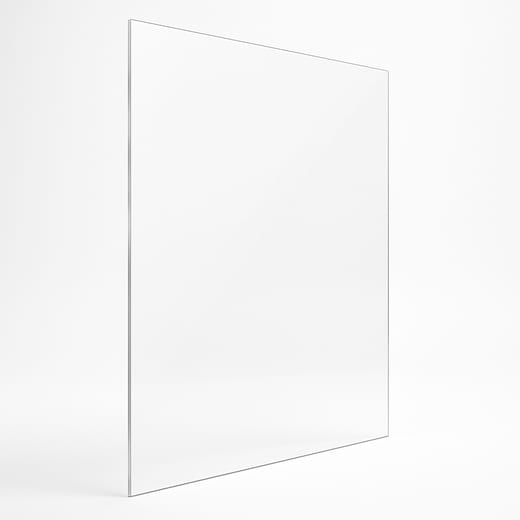
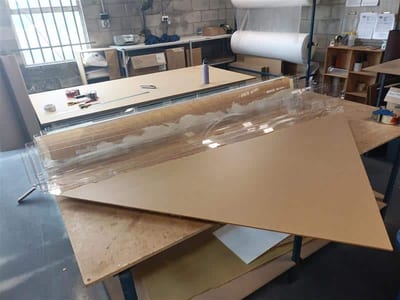
Secondary glazing is a second clear panel fitted on the inside of an existing window. The still air trapped between the original glass and the new panel slows the heat escaping in winter and coming in during summer, cuts draughts from old timber sashes and reduces outside noise. It costs a fraction of replacing windows with double glazing, it keeps the original frames, and because the panels can be removed it suits renters and heritage homes. Perspex Online cuts secondary glazing panels from clear acrylic sheet to the exact size of each window.

Acrylic or Polycarbonate?
Clear acrylic is the usual choice. It is optically clearer than glass, half the weight and easy to keep clean, so the window looks the same once the panel is in. Polycarbonate is nearly unbreakable, so it suits ground-floor windows, kids' rooms and anywhere a panel may be knocked. For most homes 3mm acrylic is enough, with 4.5mm for windows larger than about 1200 x 1200mm so the panel stays flat.
Fixing Methods
- Magnetic strip: a steel strip on the window frame and a magnetic strip on the panel. The panel clicks on and off, which makes it the most popular DIY method and ideal for rentals.
- Channel or track: a slim U-channel around the reveal holds the panel, and sliding tracks let you open the window behind it.
- Screw-fixed: pre-drilled panels screwed to the frame with a foam seal, for windows that are never opened.
Measuring Your Windows
Measure the inside of the window reveal at the top, middle and bottom, and use the smallest width and height. For a magnetic system, the panel usually overlaps the frame by 10 to 20mm all round. For a channel, take 2 to 3mm off each way so the panel slides in. Number each window, as old houses rarely have two the same, and we label every panel to match.
Order Secondary Glazing Panels
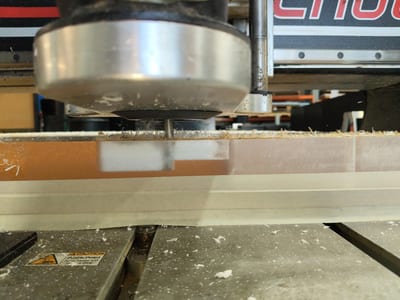
Enter each window size in the pricing calculator for an instant price, or ask our CNC router team for rounded corners, finger pulls or pre-drilled holes. Panels ship Australia-wide with the protective film on.
Featured Products
Products commonly used for this application.
Services Involved
Our services relevant to this use case.
Need help with your acrylic secondary glazing panels for windows project?
Our engineers provide expert guidance on material selection, design optimisation, and fabrication.
Acrylic Secondary Glazing Panels for Windows FAQ
Does secondary glazing really work?
What thickness acrylic do I need for secondary glazing?
Can renters use secondary glazing?
Acrylic or polycarbonate?
More in Building Construction and Infrastructure
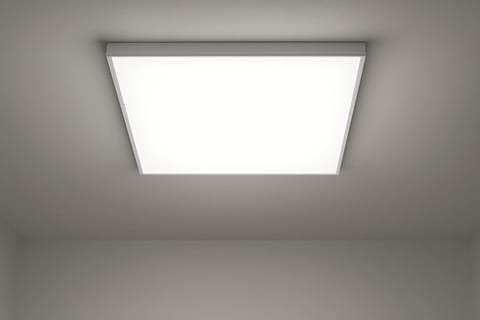
Acrylic Light Diffuser Panels
Opal and diffuser acrylic and polycarbonate panels for even LED light spread in troffers, signage, and ceiling installations. Cut-to-size service available.
Read more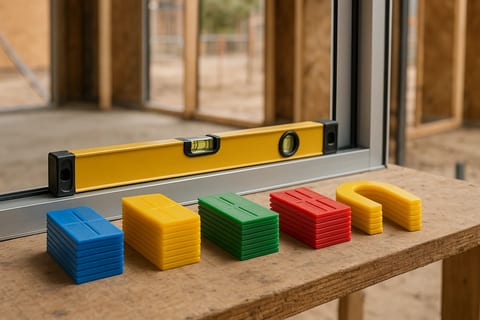
Plastic Packers, Shims & Window Packers
Window packers, horseshoe packers, glazing packers, and load-bearing plastic shims cut to any size and thickness. Trade quantities, custom sizes, and fast Australia-wide delivery.
Read more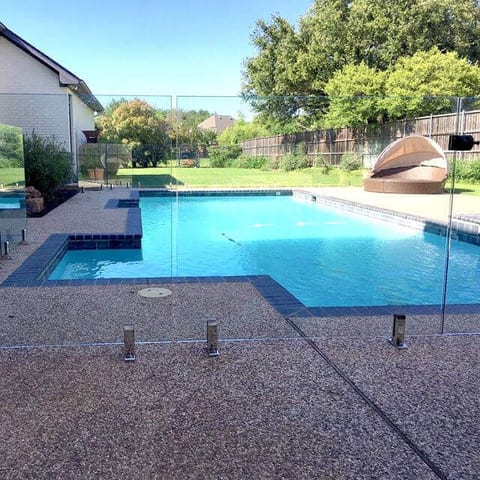
Acrylic Balustrades
Acrylic and polycarbonate balustrade panels as a lightweight, shatterproof alternative to glass. Cut to size for decks, stairs, mezzanines, and pool fencing.
Read more
Pergola Roofing Panels
Polycarbonate pergola roofing panels cut to size. Transform open pergolas into weatherproof outdoor living spaces with clear, opal, or tinted roofing.
Read more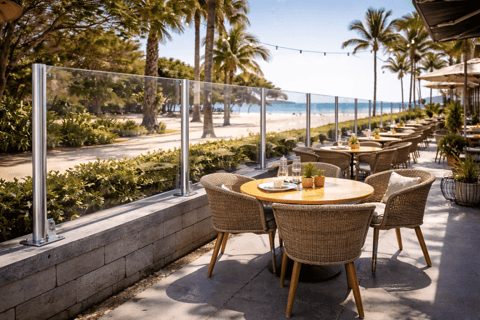
Patio Roofing Panels
Polycarbonate patio roofing panels cut to size. Clear, opal, and tinted options for covered patios, alfresco areas, and outdoor entertaining spaces.
Read more Polycarbonate Roofing Sheets
Polycarbonate roofing sheets cut to size for patios, pergolas, carports, and skylights. UV-protected, virtually unbreakable, and available in clear, opal, and tinted finishes.
Read moreRelated from other industries
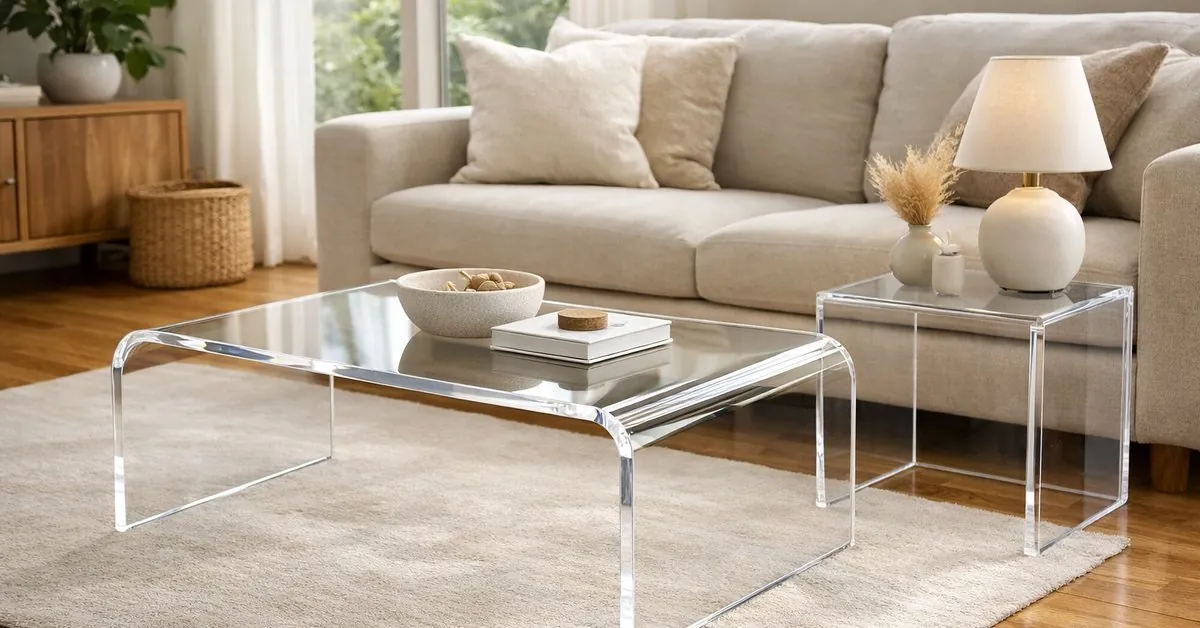
Acrylic Coffee Tables, Side Tables & Furniture
Clear acrylic coffee tables, side tables, consoles and benches made to size in thick cast acrylic, heat-bent into waterfall shapes with polished edges.
Read more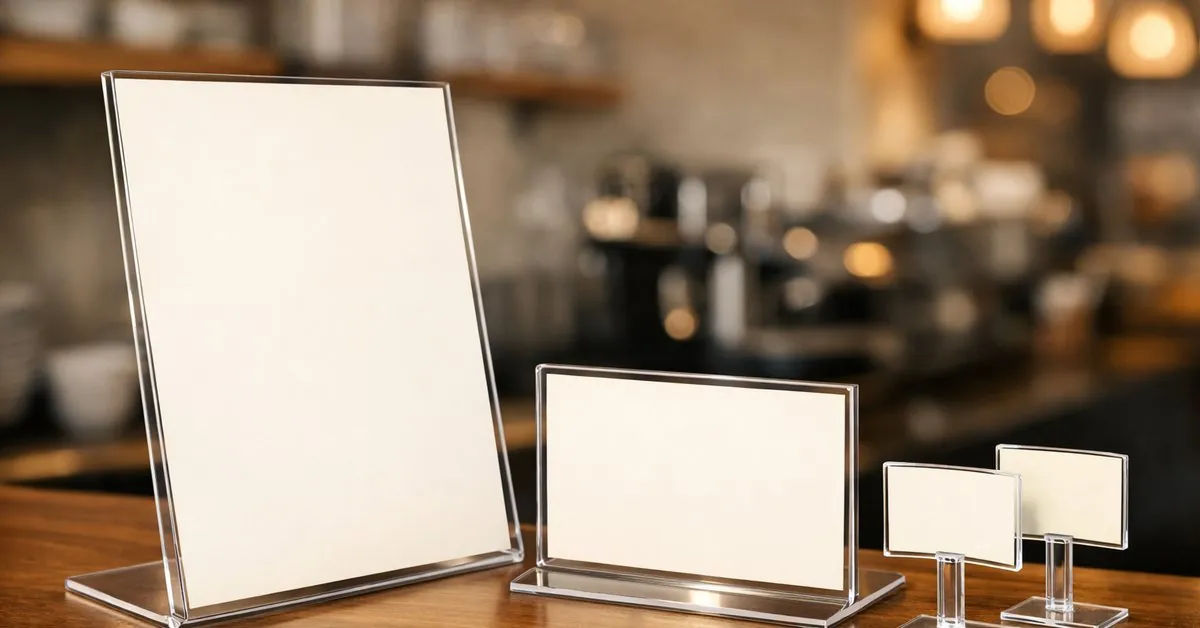
Acrylic Sign Holders, Menu Holders & Table Number Holders
Clear acrylic sign holders made to size: A4 and A5 slanted-back holders, L-shaped menu holders, T-shaped table number holders and wall-mounted pockets.
Read more
Clear Acrylic Ballot Boxes & Donation Boxes
Clear acrylic ballot boxes, donation boxes and suggestion boxes made to size, with a slot, lockable access door and optional branding.
Read moreReady to start your acrylic secondary glazing panels for windows project?
Join thousands of businesses across Australia who trust Perspex Online for precision-cut industrial plastics.
Guides & articles
Top 10 Ordering Mistakes With Plastic Materials (And How to Avoid Them)
Avoid common plastic ordering errors by selecting proper thickness, material type, and UV resistance; ensuring precise measurements; considering tolerances; and consulting suppliers for smooth, cost-effective projects.
Read guide →guidesThe Ultimate Guide to Choosing Cut-to-Size Plastic Sheets for Trade and DIY Projects
Guide to cut-to-size plastic sheets: choose the right material (acrylic for clarity, polycarbonate for strength), select proper thickness and finish for durability and look, and use precision cutting and custom fabrication for best results.
Read guide →fabricationFrom CAD to Cut: The Science and Technology Behind Precision Cut-to-Size Plastics
Perspex Online uses advanced CAD/CAM, CNC routing, and laser cutting technologies for precise, high-quality plastic fabrication. They offer diverse materials, eco-friendly options, instant quotes, nationwide delivery, and expert support.
Read guide →guidesTop Plastic Material Problems-and How Expert Cutting and Fabrication Prevent Them
Expert cutting and fabrication prevent common plastic issues like melting, chipping, cracking, and scratches. Precision CNC routing, laser cutting, and proper handling ensure durable, high-quality results.
Read guide →applicationsThe Role of Perspex Signage and Branding
What is Perspex Signage? Perspex Signage refers to signs made from Perspex, a brand name for high-quality acrylic sheet. These signs utilise the excellent clarity, durability, and light weight of acrylic to make effective visual communication. They have high optical clarity that allows for bright and readable graphics. Their durability ensures them to last long, […]
Read guide →fabricationTips for Cutting, Shaping, and Working with Plastic Materials
Plastic is a versatile material used for various projects, starting from simple crafts and up to the more complicated engineering designs. However, plastic can be very tricky if you do not know the proper ways of using it. Here are some tips in cutting, shaping, and working with plastic materials effectively: Choosing the Right Tools […]
Read guide →