

Plastic Tube: Types, Uses and How to Choose in Australia
Plastic tube explained: compare acrylic, polycarbonate and HDPE tubes, learn how to choose by clarity, strength and use, and order cut to size in Australia.

Search for a plastic tube and you will find everything from drinking straws to industrial pipe, which is not much help when you have a real project to finish. The right tube depends on what it needs to do: look good on a display, protect a component, diffuse light, or carry the load of a working machine. This guide explains the main types of plastic tube, how they differ, and what to check before you order.
Tube, pipe or rod: what are you actually buying?
A tube is hollow, a rod is solid, and a pipe is a hollow product normally sized to suit fluid fittings. For display, lighting, guarding and fabrication work, buyers usually specify a tube by its outside diameter, wall thickness and length. If you are moving liquids or gas, you are looking at pipe, and you should match it to the fittings and operating conditions of your system. If you only need a solid cylinder, a rod is a better and often more economical choice.
You can browse the full range of tubes in our plastic tubes category , which covers clear, opal and impact-resistant options.
The main types of plastic tube
Clear acrylic tube
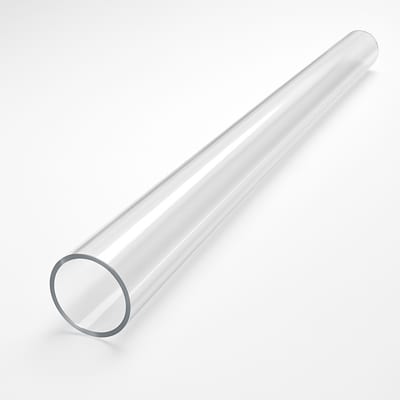
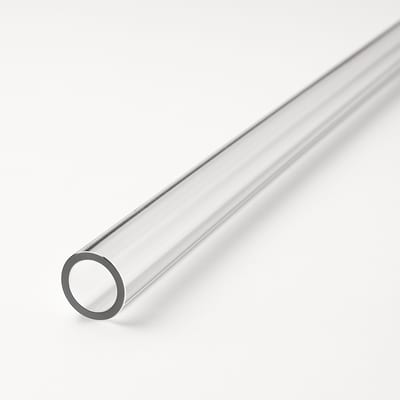
Acrylic is the go-to material when appearance matters. It is optically clear, polishes well and holds its clarity outdoors. Clear acrylic tubes suit retail displays, product cylinders, vases, decorative columns, lighting sleeves and covers. The trade-off is that acrylic is more rigid and less impact resistant than polycarbonate, so it can crack if it is knocked hard or drilled carelessly.
Opal acrylic tube
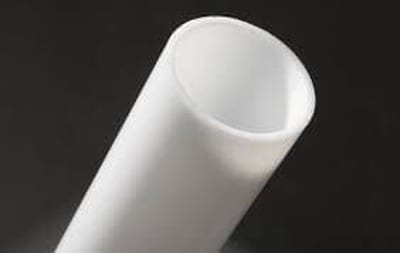
Opal tube is milky white rather than transparent. It scatters light, which makes it popular for LED tube covers, feature lighting and any job where you want a soft, even glow and want to hide what is behind it. Our Acrylic Opal Tube is made for exactly this kind of work.
Polycarbonate tube
When a tube has to survive knocks, vibration or rough handling, polycarbonate tube is the tougher option. It stays transparent while offering far better impact resistance than acrylic, which is why it is used for guards, protective housings, sight tubes and enclosures. It scratches more easily than acrylic, so consider how the surface will be handled and cleaned.
HDPE and other engineering plastic tube
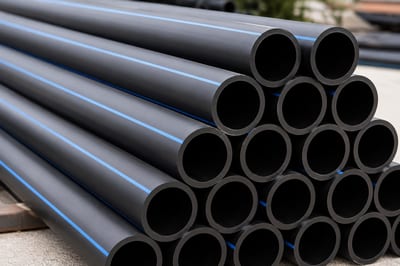
Where clarity is not needed, opaque polyethylene products such as HDPE black pipe are tough, chemical resistant and light. They suit utility, water and general industrial applications. They are not transparent and they do not solvent bond, so they are joined by welding or mechanical fittings.
How to choose the right plastic tube
Work through these questions before you order and you will avoid most costly mistakes.
Does it need to be see-through? If yes, you are choosing between acrylic and polycarbonate. If you only need light to pass through, opal acrylic is ideal.
Will it be hit or flexed? Choose polycarbonate for impact, acrylic for rigidity and polish.
Where will it live? Indoors, outdoors, near chemicals, near heat or in a food environment all change which material and grade is suitable. Cleaning products matter too, because some solvents and detergents can craze acrylic and polycarbonate.
What size does it have to fit? Measure the outside diameter if the tube slides over something, and the inside diameter if something slides into it. Confirm the wall thickness as well, since it affects strength and appearance. If you are unsure which material suits the job, our material selection guide is a good starting point.
Is pressure involved? Do not assume a decorative or display tube is rated for pressure. If a tube will contain pressurised fluid or gas, talk to a supplier about the correct product first.
Ordering cut to size and working with tube
Buying tube cut to length saves waste and means it arrives ready to use. Square, clean cut ends make a big difference to the finished result, especially if you plan to bond the tube to a base or cap. You can get an instant price for the length you need using our cut-to-size pricing calculator , with prices shown ex-GST.
If you are working with the tube yourself, a few habits help. Keep the protective film on for as long as you can, use sharp tooling made for plastics, and go slowly when drilling so heat does not build up and cause cracking. For clear acrylic and polycarbonate joints, use the right solvent cement and keep the bond area clean and dust free. Anneal or stress-relieve only if the job calls for it, and always test on an offcut first.
Common uses for plastic tube include product display cylinders, lighting covers, protective sleeves, sight tubes, planter and vase forms, craft and model making, and machine guarding. If your project needs end caps, bases, drilled holes or a complete assembly rather than a plain length, that is a fabrication job rather than a simple tube order, so it is worth asking early.
Getting the right plastic tube first time
The best plastic tube is the one that matches your job: acrylic for clarity and finish, opal for diffused light, polycarbonate for toughness, and HDPE for rugged, opaque utility use. Define the size, environment and loads up front and the choice usually becomes obvious. If you would like a second opinion, our team is happy to help you narrow it down.
Ready to order? Get an instant cut-to-size price with our pricing calculator, or contact us for a quote on custom tube sizes and fabricated parts.