

Acrylic Sheet Guide: Types, Finishes and How to Choose
Learn what acrylic sheet is, how cast and extruded differ, which finishes and thicknesses suit your project, and how to order cut to size in Australia.
Acrylic sheet is one of the most versatile plastics on the market. It is clear, rigid, light, easy to cut and easy to bond, which is why it turns up everywhere from shopfronts and picture frames to splashbacks and machine guards. But "acrylic sheet" covers a lot of ground: cast and extruded, clear and coloured, gloss and frosted, and a wide range of thicknesses. This guide explains the differences so you can order the right sheet the first time.
What acrylic sheet actually is
Acrylic is the common name for polymethyl methacrylate (PMMA). It is a thermoplastic, meaning it softens when heated and can be shaped, then sets firm again as it cools. Compared with glass, it is much lighter and far more impact resistant, and it does not shatter into dangerous shards in the same way. It also transmits light very well, which is why clear acrylic is so widely used for glazing and display work.
You will often see the brand names Perspex and Plexiglas used interchangeably with acrylic. They are brands of acrylic sheet, not different materials. You can browse the full range in our acrylic sheet category , or go straight to the popular Perspex acrylic sheet product page.
Cast vs extruded acrylic sheet
The two main manufacturing methods give sheets with slightly different strengths. Knowing which suits your job can save time and money.
Cast acrylic
Cast sheet is made by pouring liquid acrylic between two sheets of glass and letting it cure. It is usually the preferred choice for laser engraving, CNC machining, polishing and projects where optical quality and a wide colour selection matter. Most premium decorative ranges are cast.
Extruded acrylic
Extruded sheet is pushed through a die in a continuous process. It tends to have consistent thickness, bonds readily with solvent cement and is often a cost-effective option for general fabrication, signage backing, covers and guards. It can be less forgiving than cast acrylic under heavy machining or when you need a polished edge, so choose based on the finish you want.
Choosing a finish, colour and grade
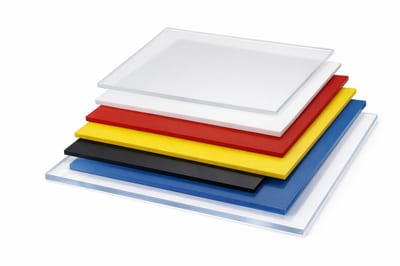
Clear is just the starting point. Acrylic sheet is available in many finishes, and the right one depends on how the finished piece will be used and viewed.
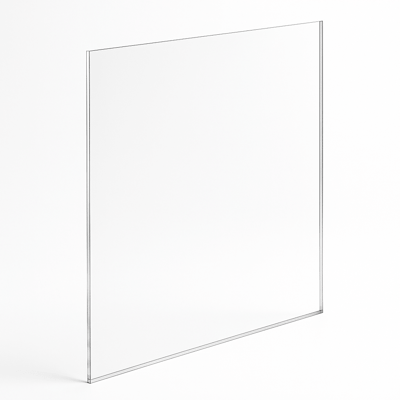
Clear: the default for glazing, frames, cases and covers. Premium options such as Plexiglas Clear 0F00 acrylic sheet suit work where clarity is critical.
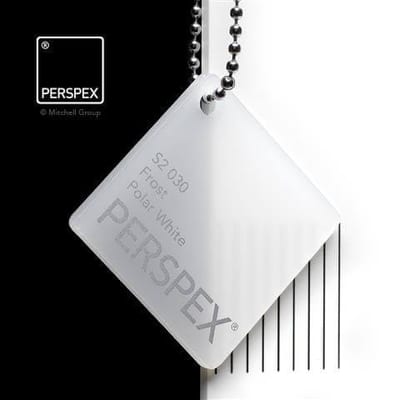
Opal, frosted and diffusing: ideal for lighting, backlit signs and privacy, because they soften light and hide what is behind the sheet.
Coloured, tinted and fluorescent: popular for displays, signage, furniture and craft. Always check that the colour you choose is suited to outdoor use if the piece will be in the sun.
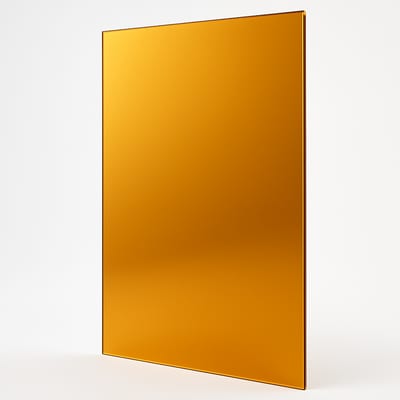
Mirror: a lightweight, safer alternative to glass mirror for gyms, retail and decor. See acrylic mirror sheet for options.
High impact: a modified acrylic grade for situations where standard sheet may be at risk of cracking from knocks.
Thickness, size and how acrylic behaves
Thickness is driven by span, load and how the sheet is supported. A small picture frame front can use thin sheet, while a shelf, table top or large panel needs a thicker sheet to resist bending. As a rule, the larger the unsupported area and the greater the load, the thicker the sheet should be. If you are unsure, ask for advice before ordering rather than guessing.
Remember that acrylic expands and contracts with temperature. For outdoor panels or long runs, drill oversize fixing holes and leave expansion gaps so the sheet can move without stressing or cracking. Keep the protective masking on for as long as possible during fabrication and installation, and clean finished sheet with mild soapy water and a soft cloth rather than harsh solvents or abrasive pads.
When acrylic is not the right choice
Acrylic is excellent for clarity, weather resistance and finish, but it is not the toughest clear plastic. For areas where heavy impact or forced entry is a concern, such as machine guards or security glazing, polycarbonate sheet is usually the better fit. Acrylic also scratches more readily than glass, so high-wear surfaces need a little more care. For use cases like kitchen walls, see our dedicated page on acrylic splashbacks cut to size for specifics.
Ordering acrylic sheet cut to size
Buying a full sheet and cutting it yourself is rarely the cheapest or easiest route. Ordering cut to size means you only pay for what you need, edges are clean, and parts arrive ready to fit. Before you order, have these details ready: finished dimensions, thickness, colour or finish, whether the sheet will be indoors or outdoors, and any holes or shapes required. Use the cut-to-size pricing calculator to see an instant price from your dimensions, shown ex-GST.
Conclusion
The right acrylic sheet comes down to a few decisions: cast or extruded, which finish, how thick, and whether acrylic is the best material for the job at all. Get those right and you will have a durable, great-looking result that is easy to work with. If you would like a hand choosing, our team can help with grades, sizes and fabrication.
Ready to order? Get an instant cut-to-size acrylic price with the pricing calculator, or contact us for a quote on custom shapes and larger jobs.