

Polypropylene (PP): Properties, Uses and How to Buy It
Polypropylene explained: key properties, common grades, uses, fabrication tips and how it compares with HDPE. Buy PP sheet and rod cut to size in Australia.
Polypropylene, usually shortened to PP, is one of the most widely used thermoplastics in the world. You will find it in everything from food containers and car parts to chemical tanks and workshop trays. It is light, tough, resistant to many chemicals and relatively affordable, which is why it appears so often in both industrial and everyday products. This guide explains what polypropylene is, how its grades differ, where it performs best and what to check before you order.
What is polypropylene and why is it so popular?
Polypropylene is a semi-crystalline thermoplastic made by polymerising propylene. It belongs to the polyolefin family, alongside polyethylene. Because it is a thermoplastic, it can be heated, formed, welded and recycled, which gives fabricators a lot of flexibility.
Its popularity comes from a practical mix of properties:
Chemical resistance: polypropylene stands up well to many acids, alkalis and salts, which is why it is common in tanks, trays and lab equipment.
Low density: it is lighter than many other engineering plastics, so panels and parts are easier to handle and install.
Low moisture absorption: unlike nylon, polypropylene does not take on water, so it stays dimensionally stable in wet environments.
Fatigue resistance: polypropylene is known for tolerating repeated flexing, which is why it is used for living hinges.
Good electrical insulation: it is a useful choice where non-conductive components are needed.
There are trade-offs too. Standard polypropylene is not naturally UV stable unless it is formulated for outdoor use, and it can become more brittle in very cold conditions. It also has a low surface energy, which makes gluing and printing harder than with acrylic or PVC.
Polypropylene grades and forms
Homopolymer vs copolymer
Homopolymer polypropylene (PP-H) is generally stiffer and stronger, with good chemical resistance, so it is a common choice for tanks, structural panels and fabricated components. Copolymer polypropylene (PP-C) includes a small proportion of another monomer, which typically improves impact resistance, especially at lower temperatures, at the cost of some stiffness. If your part will be knocked around or used in a cooler environment, copolymer is worth discussing. If rigidity and chemical performance matter most, homopolymer is usually the starting point.
Solid sheet, rod and foamed board
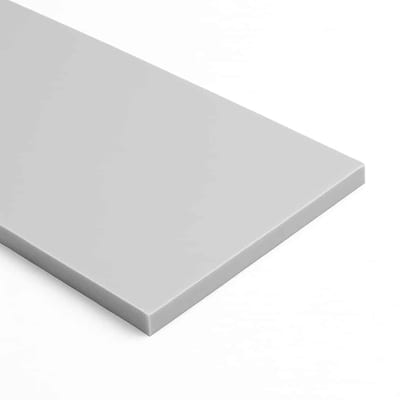
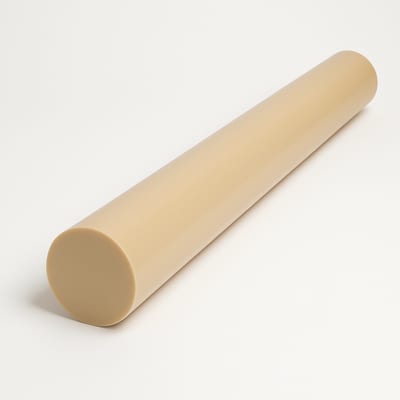
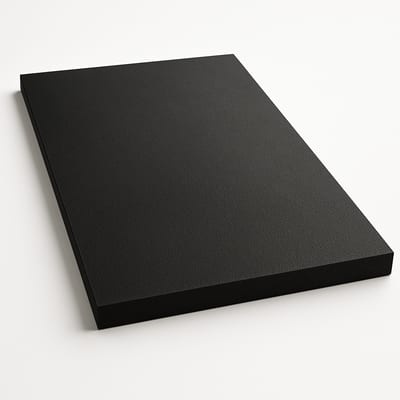
Polypropylene comes in several forms. Solid sheet suits fabricated tanks, trays, guards and liners. Polypropylene rod is the right form for turned and machined parts such as bushes, spacers and rollers. Lightweight foamed or cellular boards, like the Foamlite Uniboard ECO PP sheet, suit signage, display and packaging applications where low weight is a priority. You can browse the full range in our polypropylene category .
Common uses for polypropylene
Polypropylene earns its place wherever chemical resistance, light weight and easy fabrication matter. Typical uses include:
Chemical and process tanks, sumps and trays, often welded from sheet.
Laboratory benches, splash panels and fume cabinet components.
Food processing guides, chutes and wear strips (using suitable food-contact grades).
Machine guards, dividers, jigs and workshop fixtures.
Lightweight signage, display and packaging boards.
If you are planning a storage or containment build specifically, see our page on chemical storage tanks for how fabricated plastic tanks are typically specified.
Polypropylene vs HDPE, and how to work with it
Polypropylene and HDPE are often considered for the same jobs, and they do overlap. As a general guide, polypropylene tends to be stiffer and copes better with heat, while HDPE tends to be tougher and more impact resistant. HDPE is also available in UV-stabilised and marine grades for outdoor and wet environments. If you are weighing the two, compare them against your operating temperature, impact loads and exposure, and check our HDPE and UHMWPE range alongside PP. Our material selection guide can also help narrow it down.
Cutting, machining and joining
Polypropylene cuts, routes and machines cleanly with sharp tooling and sensible feeds and speeds. Because the material softens with heat, avoid dwelling in the cut. Joining is where polypropylene differs most from acrylic. Solvent cement does not work on it, and most adhesives struggle on its low-energy surface. The standard approach is thermal joining, using hot air or extrusion welding, which creates strong, sealed joints suited to tanks and containers. Our plastic welding service handles this kind of work if you would rather have a finished assembly than raw sheet.
What to check before you buy polypropylene
A few questions up front will save you time and money:
What will it contact? Confirm chemical compatibility for your specific media and concentrations, and flag any food-contact requirement.
Where will it live? Outdoor sun exposure, heat and cold all affect which grade is appropriate.
How will it be joined? Plan for welding or mechanical fixings rather than glue.
Sheet, rod or board? Match the form to the job: sheet for fabrication, rod for machined parts, foamed board for lightweight display.
Ordering polypropylene sheet cut to size means you only pay for the panel you need, with edges ready for fabrication. Use the cut-to-size pricing calculator to see a price from your dimensions. Prices shown are ex-GST.
Choosing polypropylene with confidence
Polypropylene is a practical, versatile material when chemical resistance, low weight and weldability are priorities. Pick the grade and form that suit your environment, plan your joining method early, and you will get a durable result. If you are unsure whether PP, HDPE or another plastic is the right fit, our team can talk it through with you.
Ready to order polypropylene? Get an instant cut-to-size price with our pricing calculator, or contact us for a quote on larger or custom jobs.