

Clear Plastic Sheet: Which Type to Choose for Your Project
Choosing a clear plastic sheet? Compare acrylic, polycarbonate, PETG and PVC for clarity, impact strength and UV, then order cut to size in Australia.
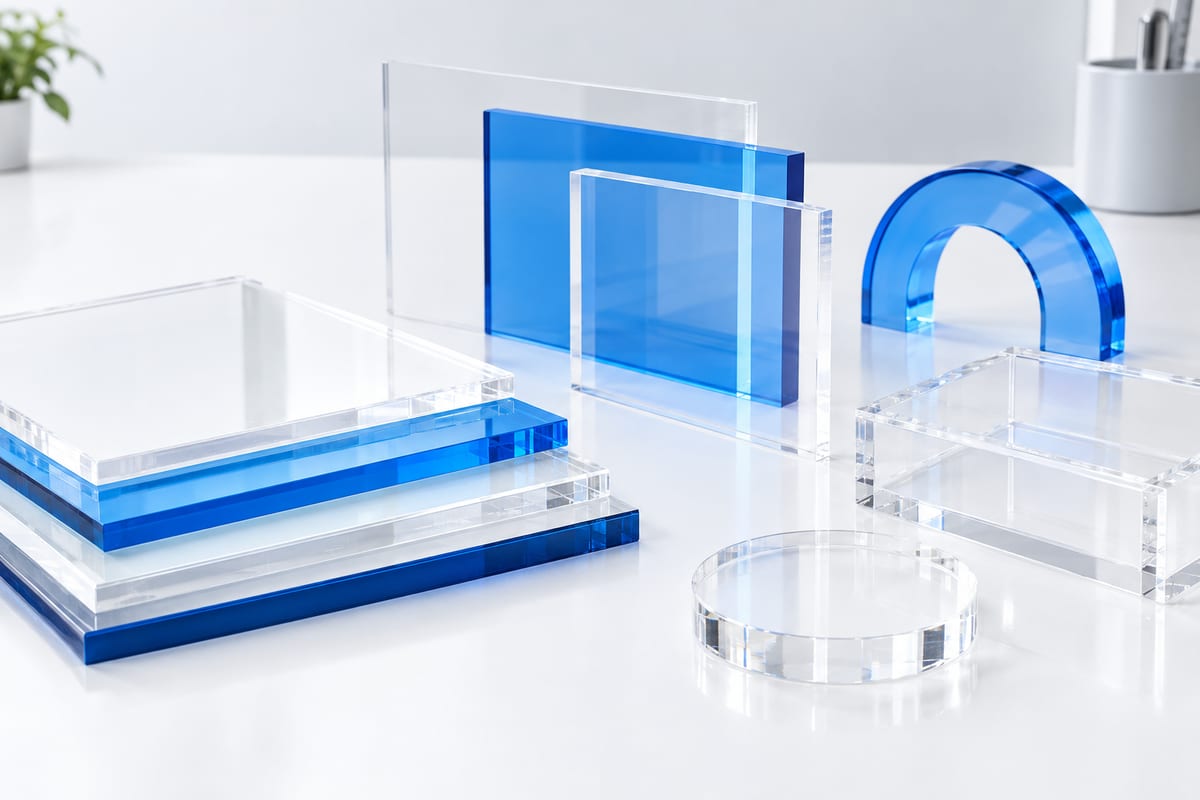
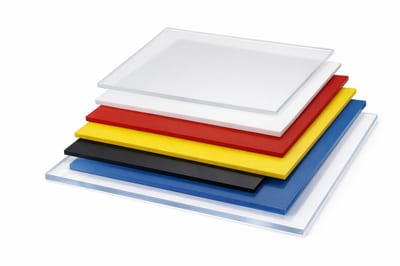
Search for a clear plastic sheet and you will quickly find that "clear plastic" is not one material. It is a family of them, and each behaves differently when it comes to clarity, impact strength, UV exposure, scratching and forming. Picking the wrong one is the most common reason a clear panel yellows, cracks, scratches too easily or costs more than it should.
This guide is a practical shortcut. It compares the four clear sheets most Australian buyers choose between (acrylic, polycarbonate, PETG and clear PVC), explains where each one shines, and shows you how to match the sheet to your job before you order. If you want the wider picture across all plastics, browse our full range of plastic sheets .
Acrylic: the clearest option for most jobs
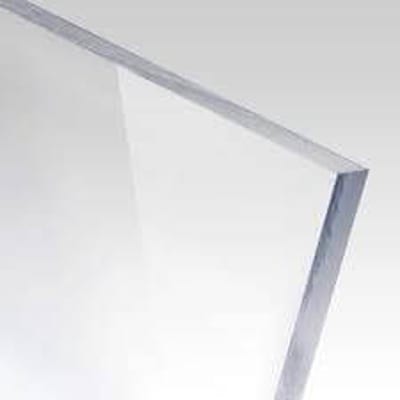
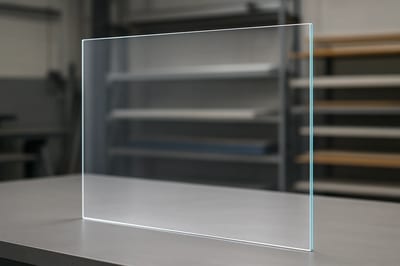
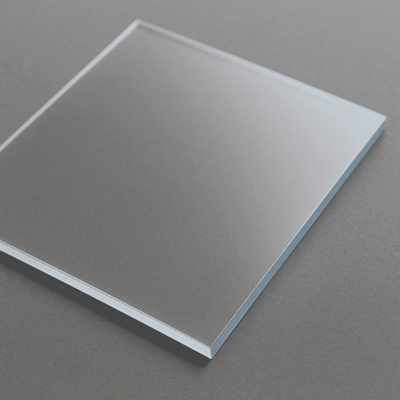
When people say they want a clear plastic sheet that looks like glass, they usually mean acrylic. It has outstanding optical clarity, a bright finish, good natural weather resistance and a surface that polishes well. It is also easy to cut, drill, laser cut, bond and shape, which makes it a favourite for display cases, signage, picture framing, shelving and splashbacks.
The trade-off is toughness. Acrylic is rigid, so under a hard impact it is more likely to crack than flex. For most indoor and decorative uses that is perfectly fine. Our Perspex acrylic sheet is the go-to clear option for projects where looks matter. If you want more impact performance but still need that acrylic appearance, high impact acrylic is also available.
Choose acrylic when: clarity and appearance are the priority, the panel will not take heavy knocks, and you want a clean, polished edge.
Polycarbonate: when impact strength matters most
Polycarbonate is the tough one. It is the clear sheet to reach for where a panel could be struck, kicked, bumped by machinery or exposed to vandalism. That is why it is widely used for machine guards, safety screens, protective barriers and security glazing.
It is slightly less glass-like than acrylic and the surface is generally softer, so it can scratch more easily unless it carries a hard coating. For outdoor jobs, make sure you choose a UV-resistant grade such as our UV resistant polycarbonate sheet , which is made for sun exposure and is well suited to roofing, guarding and glazing.
Choose polycarbonate when: safety, durability and impact resistance matter more than a perfect optical finish.
PETG and clear PVC: forming and indoor protection
PETG sits between acrylic and polycarbonate. It is clear, tougher than acrylic, and it thermoforms and cold bends readily, so it suits vacuum forming, point-of-sale pieces, covers and protective shields. It is also valued where easy fabrication is a priority.
Clear PVC is a practical, cost-conscious choice for indoor covers, protective panels and general-purpose glazing. It has good chemical resistance, which is helpful in some workshop and industrial settings, but it does not match acrylic for brilliant clarity. Different grades behave differently, so confirm the intended use before ordering.
Choose PETG or clear PVC when: you need easy forming or a practical protective panel and do not need the optical finish of acrylic.
How to choose: five questions to ask first
Before you order, run through these questions. They will usually point you to the right sheet in a minute or two.
1. Will it be hit or knocked? If yes, lean towards polycarbonate. If it is mainly on show, acrylic is ideal.
2. Is it indoors or outdoors? Outdoors needs a material with good UV performance. Acrylic and UV-resistant polycarbonate are the usual picks.
3. How important is clarity? For picture frames, display cases and anything that needs a glass-like look, acrylic wins.
4. Does it need to be formed or bent? PETG and polycarbonate bend more forgivingly than acrylic, which is better suited to flat, cut and polished work.
5. Will it be cleaned often or exposed to chemicals? Cleaning products and solvents can affect plastics differently, so check compatibility. Our material selection guide is a helpful companion if you are weighing up several options.
Thickness, size and ordering cut to size
Thickness depends on the span, the load and how the panel is supported. A small framed insert can use a thin sheet, while a large unsupported panel, a shelf or a guard needs more thickness for stiffness. When in doubt, go up a thickness rather than down, and tell us how the panel will be mounted so we can recommend the right option.
Ordering cut to size saves time, wastage and the hassle of trimming a full sheet yourself. Enter your dimensions into the cut-to-size pricing calculator to see an instant price from our online range. Prices shown are ex-GST. Also leave the protective masking on until the panel is installed, as it guards the surface from scratches during handling and fabrication.
Final thoughts
There is no single best clear plastic sheet, only the best one for your job. Acrylic gives you the clearest, most glass-like result. Polycarbonate gives you strength and safety. PETG and clear PVC offer practical forming and protective options. Match the material to the way the panel will be used, and you will get a result that looks good and lasts.
Ready to order? Get an instant cut-to-size price with our online calculator, or contact us for a quote if you need custom shapes, holes or finishing advice.