

Perspex Sheets: A Practical Buyer's Guide for Australia
Shopping for Perspex sheets? Learn the main ranges, how to choose finish, thickness and size, when to pick something else, and how to order cut to size.
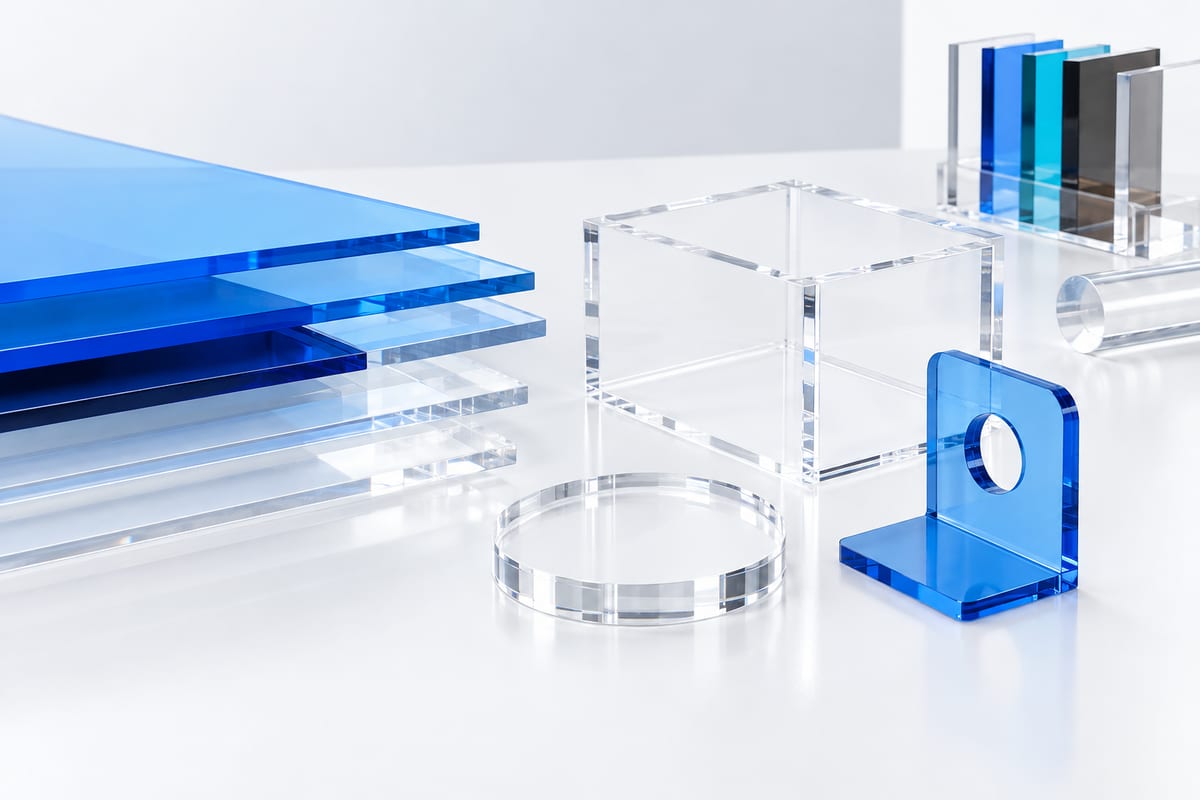
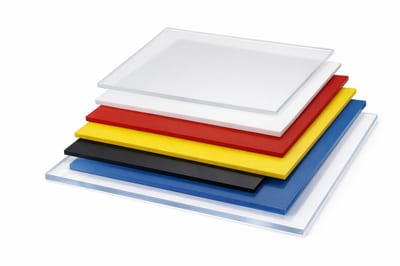
Search for Perspex sheets and you will find everything from small craft offcuts to large full-size panels, in dozens of colours and finishes. That variety is useful, but it can make the first order feel harder than it should. This guide focuses on the practical decisions: what you are actually buying, which range suits your project, what to settle before you order, and when a different plastic is the smarter choice.
What Perspex sheets actually are
Perspex is a trusted brand of acrylic (PMMA) sheet. Acrylic is valued for its optical clarity, light weight compared with glass, good weather resistance and the fact that it can be cut, drilled, polished, bonded and heat formed with common workshop tools. Many Australians use the word Perspex as shorthand for any clear acrylic, which is why searches for Perspex sheets cover such a wide range of products.
If you want the standard all-rounder, start with the Acrylic Sheet (Perspex) product page. If you want to see the full branded selection of colours and surface effects, browse the Perspex category .
Choosing the right type of Perspex sheet
Clear sheet
Clear Perspex is the default for shelves, covers, protective screens, display cases and glazing-style projects where you want to see straight through the material. It is the most flexible option and the easiest to match with adhesives, edge polishing and fixings.
Frosted, opal and diffusing sheet
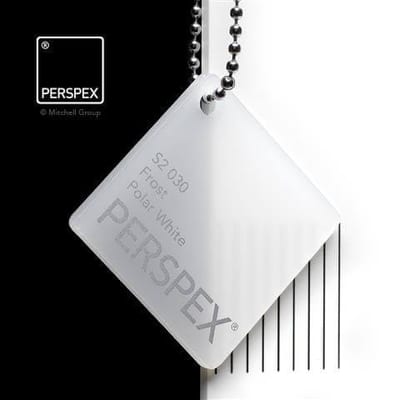
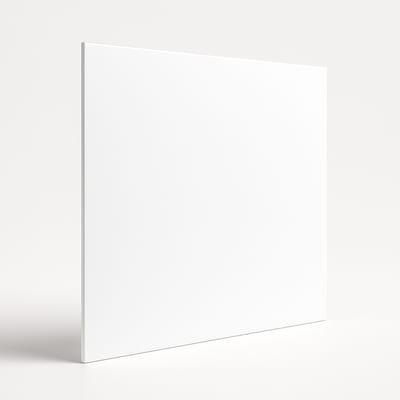
When you need privacy, soft light or a clean backdrop for signage, a translucent sheet is usually better than clear. A frosted finish such as PERSPEX Frost hides what is behind the panel, while PERSPEX Opal spreads light evenly, which makes it popular for illuminated signs and light boxes.
Coloured, tinted and mirror sheet
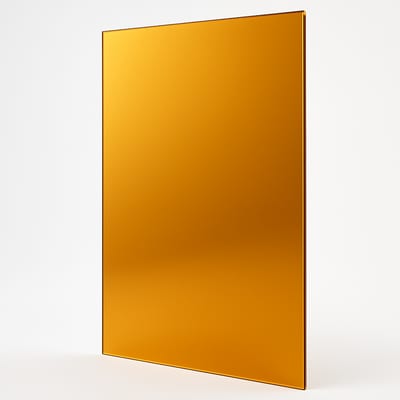
Coloured and tinted ranges suit retail fit-outs, furniture, craft and branding work. Mirror acrylic is a lighter, shatter-resistant alternative to glass mirror, useful in places where weight or breakage is a concern. Colour and finish choices are about look and light transmission, so it helps to compare a physical sample against your lighting before committing to a large order.
What to decide before you order
Most ordering problems come from a handful of unanswered questions. Settle these first and the rest is simple.
Thickness: Thicker sheet is stiffer and resists flexing, which matters for shelves, tabletops and larger unsupported spans. Thinner sheet is lighter and easier to bend or fit, which suits covers, small signs and craft work. Think about how the panel will be supported, how much load it will carry and whether it will be exposed to knocks.
Size and fit: Measure the opening or space twice, and allow for how the panel will be fixed. Acrylic expands and contracts with temperature, so panels fitted outdoors or in frames usually need a small allowance rather than a tight, rigid fit.
Edges and holes: Decide whether you want a clean saw or laser edge, a polished edge, or drilled holes for fixings. Giving the supplier your hole positions and edge requirements up front avoids rework.
Cut to size or full sheet: Buying a full sheet only makes sense if you have the tools, the space and a use for the offcuts. For most projects, ordering exact dimensions saves time and reduces waste. You can get an instant price using the cut-to-size pricing calculator , with prices shown ex-GST.
When Perspex is not the right choice
Acrylic is excellent, but it is not the answer to every problem. It can scratch more easily than glass, and standard acrylic can crack under severe impact. If a panel will be struck, kicked or exposed to heavy abuse, consider a high impact acrylic sheet or step up to polycarbonate. For guards and protective barriers, our page on polycarbonate safety glazing explains where that material makes more sense.
If you are unsure which plastic fits your job, the material selection guide can narrow it down by environment, strength and appearance before you spend anything.
Handling and care once your sheets arrive
Good habits protect the finish. Leave the protective masking on while you mark, cut, drill and fit, and only peel it off at the end. Store sheets flat or fully supported, away from heat sources and direct sun until installation. When drilling or routing, use sharp tools suited to plastic and support the sheet properly to reduce chipping.
For cleaning, rinse away dust, then use a soft microfibre cloth with mild soapy water. Skip abrasive pads, solvent cleaners and ammonia-based glass sprays, as these can scratch, haze or craze the surface over time.
Ready to order Perspex sheets?
The best Perspex order starts with a clear picture of the job: the finish you want, how the panel will be supported, how it will be used and the exact size you need. Get those right and the material choice becomes straightforward. If your project is a shelf, splashback or sign, our pages on acrylic shelves and acrylic splashbacks cover the specifics for those uses.
Know your dimensions? Use the cut-to-size pricing calculator for an instant price on your Perspex sheets, or contact us for a quote on custom shapes, larger jobs or advice on the right sheet.