

HDPE Plastic: Properties, Uses and How to Buy It in Australia
HDPE plastic explained: key properties, common grades, where it performs best, and how to order HDPE sheet and rod cut to size and delivered Australia wide.
HDPE plastic is one of the most useful and widely specified polymers in Australia, yet it is often overlooked in favour of more glamorous materials. It is tough, chemical resistant, light, and it barely absorbs water. If you are searching for a durable plastic that can handle weather, impact and wet conditions, HDPE is probably already on your shortlist. This guide explains what it is, where it performs well, where it does not, and how to order it cut to size.
What is HDPE plastic?
HDPE stands for high-density polyethylene. It is a thermoplastic in the polyethylene family, and its tightly packed molecular structure gives it more strength and rigidity than lower-density polyethylenes like the soft film you find in shopping bags. It carries resin identification code 2, which you will see on milk bottles, detergent containers and many recyclable items.
In sheet, rod and pipe form, HDPE is a go-to engineering and fabrication plastic. It is opaque rather than transparent, so it is chosen for function, not for looks. If you need clarity, look at acrylic or polycarbonate instead. If you need a material that shrugs off moisture, chemicals and knocks, HDPE is a strong candidate.
Key properties of HDPE
Understanding the properties helps you decide whether HDPE suits your job. The main ones are:
Moisture and chemical resistance
HDPE does not rot, rust or swell in water, and it resists many acids, alkalis and cleaning chemicals. That makes it a favourite for tanks, chemical handling, wet-area fit-outs and anything that gets washed down regularly. Always confirm compatibility with the specific chemical you are using, as no plastic is resistant to everything.
Impact strength and low weight
HDPE stays tough rather than brittle, so it handles knocks, drops and rough treatment well. It is also light enough to float on water, which is useful for marine and handling applications. Compared with steel or timber, it is far easier to carry, cut and install.
Low friction and easy machining
The surface is slippery, which suits sliding and wear applications, and the material routes, drills and saws cleanly with sharp tooling. For demanding wear duty with heavy abrasion, step up to UHMWPE sheet , which is a higher molecular weight relative of HDPE.
Things to keep in mind
HDPE expands and contracts with temperature more than many plastics, so allow room for movement in long panels. It is also not bonded easily with solvent cements or common glues. Joining is normally done by welding or with mechanical fixings, and our plastic welding service can handle fabricated assemblies if you would rather not do it yourself.
Common HDPE grades and colours
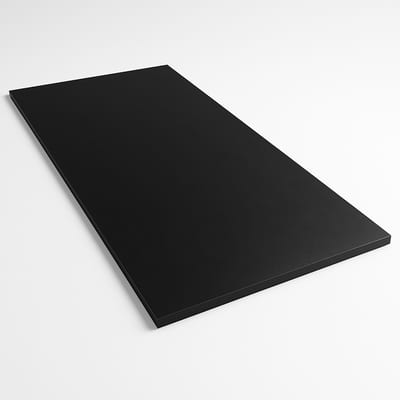
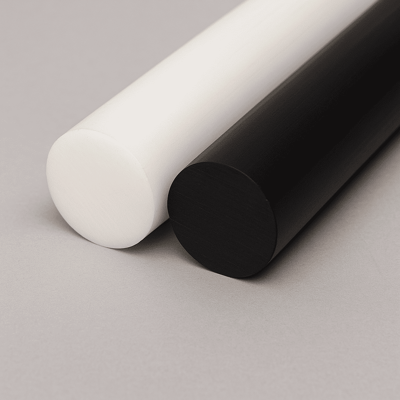
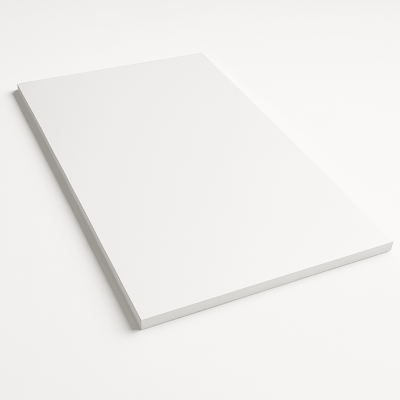
Not all HDPE is the same, and the right grade depends on where the material will live. Black HDPE is typically UV stabilised and suits outdoor use. Natural (off-white) HDPE is common where colour matching or hygiene is a priority, although you should confirm food-contact suitability for your specific use before ordering. Coloured sheets are popular for signage, play equipment and colour-coded workplaces.
Some specialty grades are built for particular jobs:
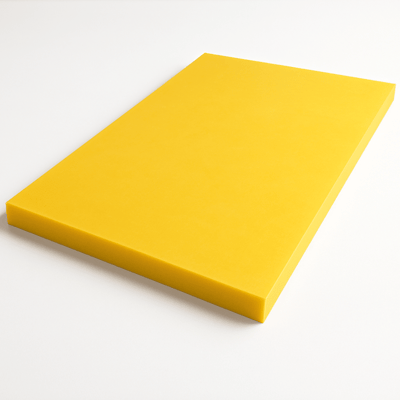
Marine-grade HDPE, such as Seaboard HDPE , has a textured finish and is designed for boats, jetties and coastal fit-outs. Playground HDPE is made for play equipment and is available in bright colours. Yellow HDPE built to mining specification is also available for site requirements.
Where HDPE plastic is used
Because it is so versatile, HDPE turns up across many industries. Common uses include wear liners and slides, chopping and cutting boards, marine decking and trims, tank and containment fabrication, pipes and fittings, playground panels and general workshop jigs. In transport and fleet work it is popular for liners and ute components, and our truck liners page shows how it is applied in practice.
It is also a common choice where a surface needs to be cleaned often, since it does not harbour moisture the way timber can. For industrial sliding and protection jobs, take a look at our guide to industrial wear strips for more detail on selecting the right plastic.
HDPE vs other plastics
If you are weighing up options, a few quick comparisons help. Compared with polypropylene, HDPE is generally the tougher, more impact-resistant choice, while polypropylene tends to handle some chemicals and higher temperatures differently. Compared with nylon, HDPE absorbs far less moisture, so it holds its dimensions better in wet conditions, though nylon usually wins on load-bearing strength. Compared with acrylic or polycarbonate, HDPE is the practical, non-transparent workhorse rather than a glazing material.
If you are unsure which suits your project, the material selection guide walks you through the trade-offs.
How to buy HDPE sheet and rod
Start by deciding on the form you need: sheet for panels, liners and boards, rod for bushes, rollers and turned parts, or pipe for fluid handling. Then pick your colour and grade, and choose a thickness that suits the load and span. Thicker sheet is stiffer, but it also costs more and weighs more, so match it to the job rather than over-specifying.
You can browse our full HDPE and UHMWPE range , or go straight to HDPE sheet if that is what you need. Because we cut to size, you can order exactly the dimensions your project requires and avoid paying for offcuts. Use the cut-to-size pricing calculator to see pricing from your own measurements. Prices are shown ex-GST.
Final thoughts
HDPE plastic earns its reputation by doing the unglamorous jobs very well. It resists water and chemicals, tolerates rough handling, machines easily and suits an enormous range of Australian conditions, from coastal marinas to mine sites to backyard playgrounds. The key is choosing the right grade and thickness for your application and joining it with the right method.
Ready to order? Get an instant cut-to-size price with our pricing calculator, or contact us for a quote on larger or more specialised HDPE projects.