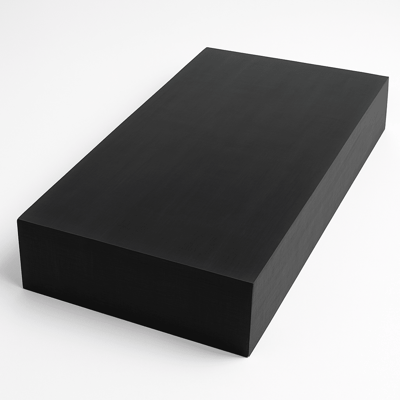


Plastic Sheet Types Explained: How to Choose the Right One
Compare plastic sheet types in Australia: acrylic, polycarbonate, PVC, HDPE, nylon and more. Learn what each does best, then order it cut to size online.
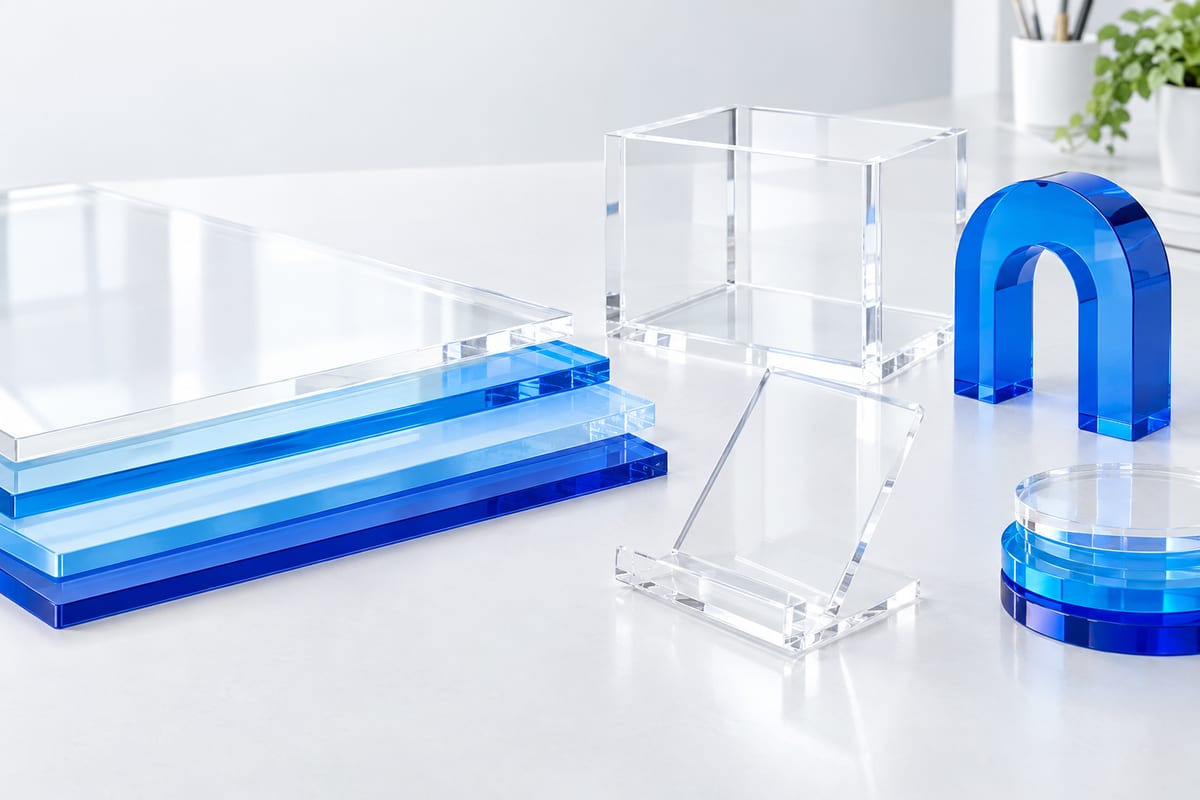
Search for a plastic sheet and you will find dozens of materials that look similar in a photo but behave very differently on the bench and in service. Some are crystal clear, some are tough enough to line a truck tray, and some are designed to slide, resist chemicals or be welded into tanks. Choosing the wrong one is the most common reason a plastic project fails or needs redoing.
This guide sorts the main plastic sheet types by what they are actually good at, so you can shortlist the right material before you order.
What "plastic sheet" really covers
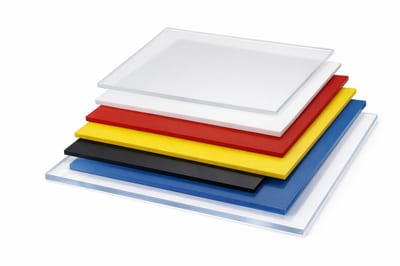
"Plastic sheet" is a broad label. It includes transparent glazing sheets, rigid construction boards, flexible forming sheets, and engineering plastics machined into wear parts. A helpful way to think about it is to group sheets by the job they do: see-through, tough and protective, wear and sliding, or display and forming.
You can browse the full range on our plastic sheets category , and every sheet can be ordered cut to size rather than as a full, wasteful panel.
Clear plastic sheets: acrylic, polycarbonate, PVC and PETG
When you need to see through the material, four sheets are the usual candidates.
Acrylic
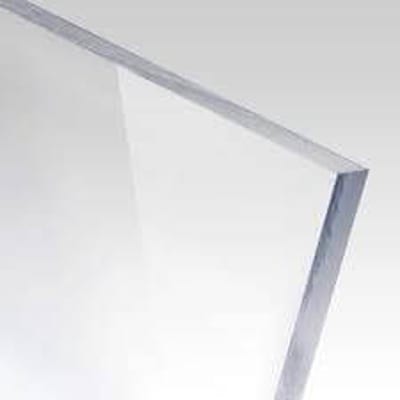
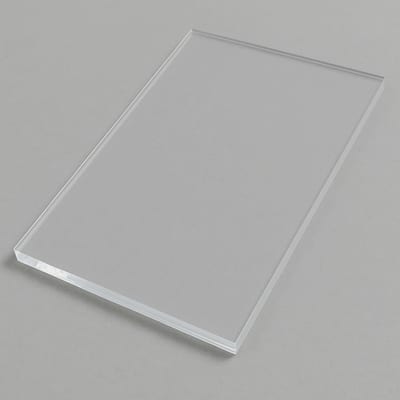
Acrylic is the go-to for clarity, a polished look and good outdoor durability. It is stiff, easy to cut and bond, and available in clear, tinted, mirror, frosted and many coloured finishes. Our acrylic sheet (Perspex) range suits signage, display, splashbacks, furniture and general glazing. It is more brittle than polycarbonate, so it is not the first choice where heavy impact is likely.
Polycarbonate
Polycarbonate is the tough option. It is chosen for machine guards, safety screens, protective barriers and glazing in places where something might hit it. UV-resistant grades suit outdoor use. If you are weighing it against acrylic, our polycarbonate sheet page lists the options, and the trade-off is usually clarity and surface hardness against impact resistance.
PVC and PETG
Clear PVC and PETG sit in the practical middle. They are often used for covers, guards, protective panels and anything that needs to be formed or fabricated without cracking easily. They are usually more forgiving to work with than acrylic, though they do not match its optical quality.
Tough and wear-resistant plastic sheets
Opaque engineering and utility plastics are where plastic sheet really replaces steel, timber and rubber.
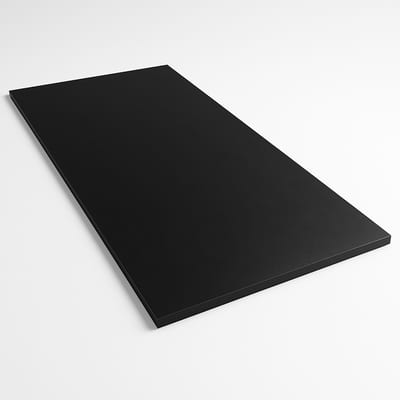
HDPE and UHMWPE are the workhorses for liners, cutting boards, chute and hopper linings, marine and playground applications. They are tough, resist moisture and many chemicals, and have a low-friction surface. Start with our HDPE sheet for general use, and step up to UHMWPE where abrasion and sliding wear are the main problem.
Polypropylene is lightweight and chemical resistant, and it welds well, which makes it popular for tanks, trays and fabricated assemblies.
Nylon and acetal are stronger, stiffer engineering plastics used for gears, bearings, guides and machined components. Acetal offers dimensional stability and low friction, while nylon is valued for toughness and wear resistance. Both should be matched to the environment, as nylon in particular can absorb moisture.
PTFE and PEEK are specialist sheets for extreme chemical, temperature or low-friction demands. They cost more, so they make sense only when cheaper plastics cannot meet the requirement. If you are unsure which brand name matches which material, our guide to engineering plastic trade names explains the common equivalents.
Display, signage and forming sheets
For shopfit, signage and point-of-sale work, lighter and easier-to-form sheets often make more sense than premium glazing materials. ABS and HIPS are popular for vacuum forming and general fabrication. Foam PVC and corflute suit lightweight signs and temporary displays. Rigid PVC is a cost-effective choice for covers, panels and chemical-resistant applications.
If your project involves a premium, polished finish, acrylic is usually still the better pick. See how it is used in practice on our acrylic signage page.
Five questions that pick the right plastic sheet
Before you choose, answer these in order. They will usually narrow the field to one or two materials.
1. Does it need to be transparent? If yes, start with acrylic, polycarbonate, PVC or PETG. If no, the whole engineering plastics range opens up.
2. Will it be indoors or outdoors? Outdoor use means UV stability and weathering matter. Check the specific grade, not just the plastic type.
3. How much impact or wear will it face? Impact points to polycarbonate or HDPE. Abrasion and sliding point to UHMWPE, nylon or acetal.
4. Will it contact chemicals, food or heat? Chemical exposure, food-contact needs and temperature limits rule materials in or out quickly. Confirm suitability for your exact conditions.
5. How will you fabricate it? Gluing, welding, laser cutting, routing and bending all suit different plastics. Deciding this early avoids surprises later.
If you would rather not work it out alone, the material selection guide walks you through the decision step by step.
Ordering plastic sheet cut to size
Buying a full sheet when you only need a few panels wastes material and money, and cutting large sheets at home is difficult to do cleanly. Ordering cut to size means you receive pieces ready to fit, with the thickness, colour and finish you specified. Allow for edge finishing, fixing holes and expansion gaps in your measurements, and double-check dimensions before you confirm the order.
Use the cut-to-size pricing calculator to see the price for your exact dimensions straight away. Prices are shown ex-GST, so you know where you stand before you order.
Choose the plastic sheet that fits the job
There is no single best plastic sheet, only the best one for your conditions. Acrylic wins on clarity and finish, polycarbonate on impact, HDPE and UHMWPE on toughness and wear, and the engineering plastics on precision and performance. Match the material to the environment, the load and the way you plan to fabricate it, and the choice becomes much simpler.
Ready to order? Get an instant cut-to-size price with our pricing calculator, or contact us for a quote and our team will help you choose the right plastic sheet for your project.