

Plexiglass: What It Is, Plexiglas vs Perspex and Acrylic
Plexiglass explained: what it is, how Plexiglas, Perspex and acrylic relate, where it beats glass, and how to order it cut to size online in Australia.
If you have searched for "plexiglass", you are probably trying to work out what it actually is, whether it is the same as acrylic or Perspex, and where to buy it in Australia. The short answer is that plexiglass is acrylic sheet, and the name has become a catch-all for clear, glass-like plastic. This guide clears up the naming, explains where it outperforms glass, and shows you what to check before you order.
What is plexiglass?
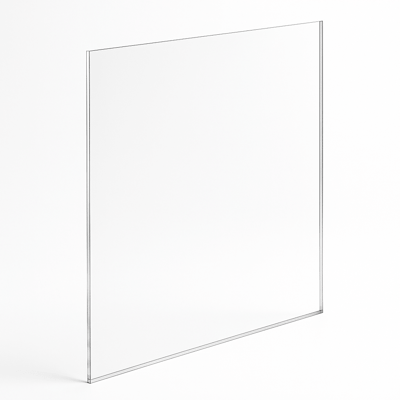
Plexiglass is the popular spelling of Plexiglas, a brand name for sheet made from polymethyl methacrylate (PMMA), better known as acrylic. Over time, many people began using the word to describe any clear acrylic sheet, much like "Kleenex" is used for tissues. The brand itself is spelt with a single "s" at the end, and you can browse the genuine range in our Plexiglas sheet category .
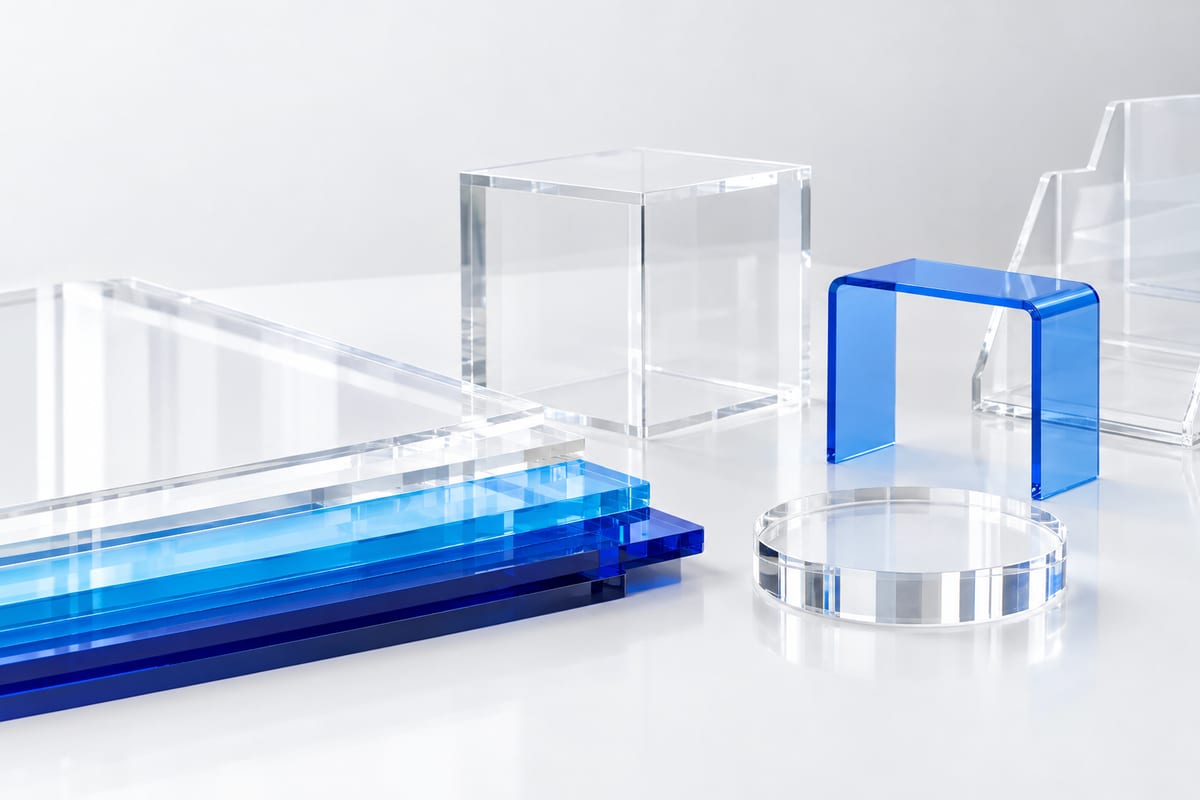
Acrylic is valued for its optical clarity, light weight and ease of fabrication. It can be cut, drilled, routed, polished, glued and thermoformed, which is why it turns up in everything from shopfronts and picture frames to machine guards and aquarium panels.
Plexiglas vs Perspex vs acrylic: sorting out the names
The confusion comes from three terms that overlap:
Acrylic is the material
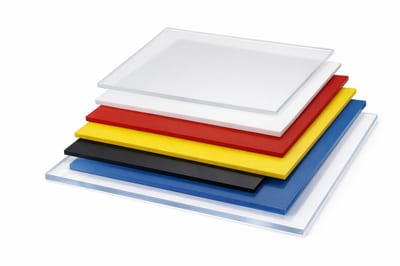
Acrylic (PMMA) is the plastic itself. It comes as sheet, tube, rod and various extruded profiles, in clear, tinted, opal, frosted, mirrored and coloured finishes.
Plexiglas and Perspex are brands
Plexiglas and Perspex are both trade names for acrylic sheet. In Australia, "Perspex" is often used generically in the same way "plexiglass" is overseas. If you want to compare options, our Perspex sheet range sits alongside the Plexiglas range, so you can match the product to your project rather than just the name.
Cast and extruded acrylic
Beyond the brand, it helps to know whether a sheet is cast or extruded. Cast acrylic is generally preferred for precision work, engraving and polished edges, while extruded sheet is often chosen for general-purpose jobs where cost and consistency matter. Ask your supplier which type suits your application.
Where plexiglass beats glass (and where it does not)
Acrylic is a popular glass substitute for good reasons, but it is not the right answer to every problem.
Where acrylic wins: it is far lighter than glass, much more impact resistant, and does not shatter into dangerous shards in the same way. It is easier to cut and shape, and it transmits light very well. That makes it a strong choice for windows, display cases, protective screens, signage and DIY projects.
Where glass wins: glass is harder and resists scratching better, and it handles heat better than acrylic. If the surface will be cleaned aggressively or sit near high heat, you need to plan for that. Use soft cloths and plastic-safe cleaners on acrylic, and avoid solvent-based products.
Where something else is better: if you need extreme impact toughness, for example for machine guarding or security glazing, polycarbonate sheet is usually the better material. Acrylic offers better clarity and scratch resistance, while polycarbonate offers higher impact strength.
What to check before you buy plexiglass
A few decisions will save you time, waste and returns:
Thickness: match it to the span, the load and the risk of impact. Thin sheet flexes more, so larger panels usually need to be thicker or supported.
Finish and colour: clear, tinted, opal, frosted, mirror and coloured options all behave differently with light. Opal diffuses, frosted obscures, and clear gives maximum visibility.
Indoor or outdoor use: allow for expansion and contraction with temperature changes, and never fix acrylic tightly with no room to move.
Size and cut quality: ordering to size avoids offcuts and rough home cuts. Our cut-to-size pricing calculator lets you enter your dimensions and see a price straight away, shown ex-GST.
If you want a clear, general-purpose option to start with, the Plexiglas Clear 0F00 acrylic sheet is a popular choice for glazing, displays, signage and fabrication work.
Handling and care tips
Leave the protective film on until the job is finished, as it guards against scratches during cutting and installation. When drilling, use bits suited to plastics and support the sheet to avoid cracking. Clean with mild soapy water and a soft microfibre cloth, and avoid abrasive pads or glass cleaners containing ammonia. Treated carefully, acrylic stays clear and looks good for years.
The bottom line
Plexiglass is simply acrylic sheet, with Plexiglas and Perspex being the best-known brand names. It is lighter and tougher than glass, easy to work with, and available in a huge range of finishes. Choose the right thickness, finish and grade for your project, and order it cut to size so it fits first time.
Ready to order? Use the cut-to-size pricing calculator for an instant price, or contact our team to get a quote on your plexiglass project.