

Acrylic Board: What It Means and How to Buy the Right One
Acrylic board is usually acrylic sheet. Learn the types, finishes and thickness choices, and how to order the right board cut to size online in Australia.
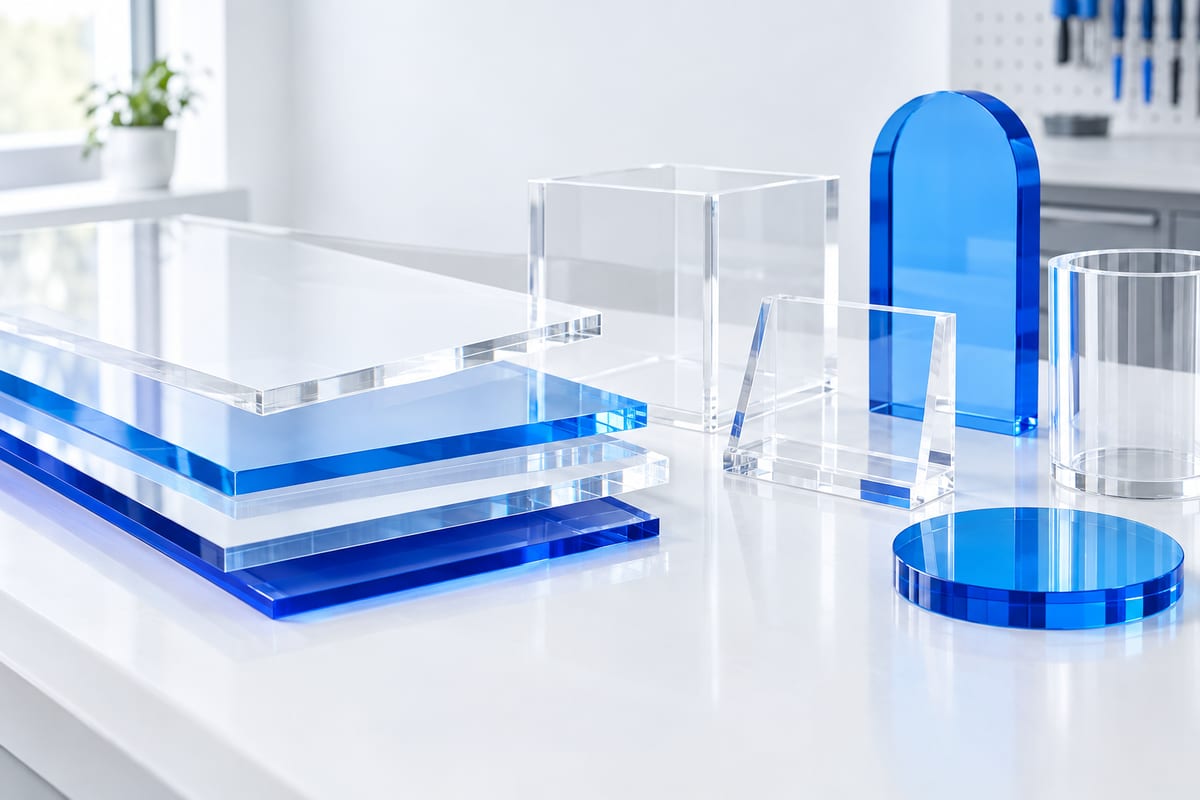
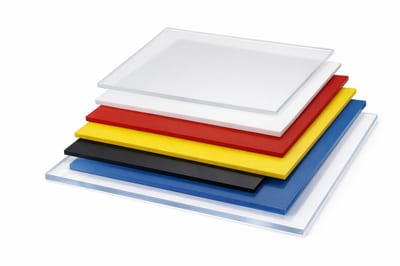
If you have searched for an "acrylic board", you have probably noticed that suppliers rarely use that exact name. Most list the product as acrylic sheet, Perspex or Plexiglas. Behind the different labels, you are usually looking at the same thing: a flat, rigid panel of PMMA that is lighter than glass, easy to fabricate and available in a wide range of colours and finishes.
This guide decodes what people mean by acrylic board, explains the choices that actually affect your result, and shows how to order the right panel without paying for features you do not need.
What people mean by acrylic board
The word "board" is a loose, everyday term. Depending on the project, buyers use it to describe a few different things:
A solid acrylic panel. This is the most common meaning. It is a single, solid sheet cut to a given size for a sign, cover, shelf, display or protective screen. Our acrylic sheet (Perspex) is the usual starting point.
A display or mounting board. Some people want a rigid backing for prints, photos or posters. Clear or coloured acrylic works well here because it is flat, smooth and easy to wipe clean.
A lightweight foam or composite board. Products such as PVC foam board or corflute are sometimes called boards too, but they are different materials with different strengths. If you are not sure which one you need, the material selection guide is a good place to compare them.
Knowing which of these you mean is half the battle. A solid acrylic panel gives you clarity, stiffness and a premium look. A foam board gives you low weight and low cost. They are not interchangeable.
Cast or extruded: why the manufacturing method matters
Acrylic board is made in two main ways, and the difference shows up when you start working with it.
Cast acrylic is formed between two sheets of glass. It is generally favoured for engraving, laser cutting, CNC routing and any job where surface quality and colour depth matter. Premium brands such as PERSPEX and PLEXIGLAS are well known cast options.
Extruded acrylic is pushed through a die in a continuous process. It tends to be more consistent in thickness and is often chosen for general fabrication, bending and cost-sensitive jobs.
If you are making something that will be looked at closely, such as a trophy, a display case or an illuminated sign, tell us the end use and we will point you to the best option. For a deeper comparison of grades and finishes, see our broader acrylic sheet guide on the blog.
Choosing the right finish and type
Once you know you want a solid acrylic panel, the next decision is the look and performance you need.
Clear acrylic
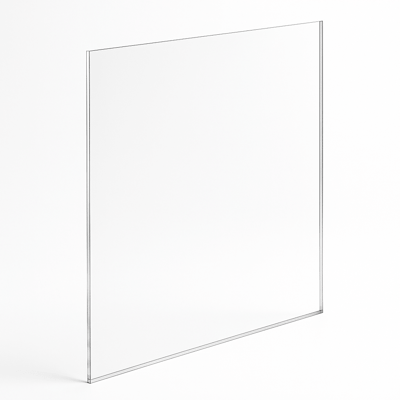
Clear is the default for covers, shelves, screens and display work. For optical quality, Plexiglas Clear 0F00 acrylic sheet is a trusted premium choice.
Opal, frost and colour
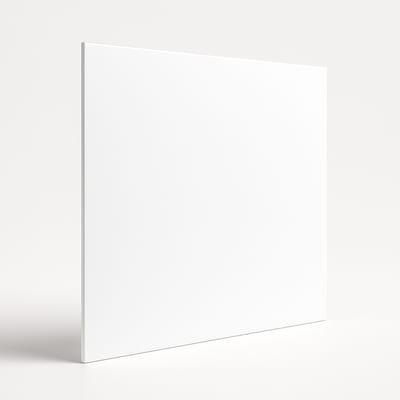
Opal diffuses light evenly, which makes it popular for backlit signs and light panels. Frosted finishes hide fingerprints and add privacy. Coloured and tinted ranges suit branding, retail fixtures and decorative projects. Browse the full acrylic sheet range to see what is available.
Mirror and high impact
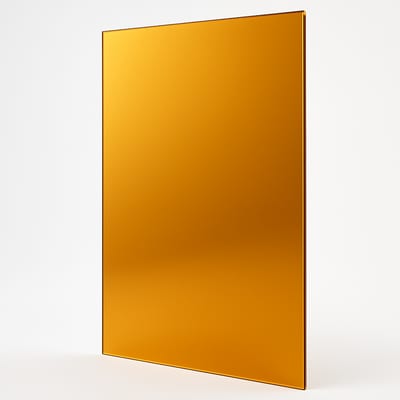
Acrylic mirror is lighter and safer to handle than glass mirror, which suits gyms, kids' spaces and retail displays. High impact acrylic is a better pick where knocks and bumps are likely. If the panel will take serious abuse, polycarbonate may be a better material again.
Thickness, size and edges
Thickness is a trade-off between stiffness, weight and cost. Thinner panels suit small covers, framing and lightly loaded signs. Thicker panels are better for shelves, larger spans and anything that must stay flat without extra support. As a rule, the bigger the unsupported area, or the more load it carries, the more thickness you need.
A few practical tips before you order:
Measure the finished size twice and allow for any fixings, hinges or expansion gaps. Acrylic moves slightly with temperature, so outdoor installations need room to expand.
Think about edges. Cut edges can be left as cut or finished for a cleaner, more polished look on exposed panels.
Leave the protective film on until the job is finished, then peel it back slowly.
Ordering cut to size saves waste and avoids the hassle of cutting full sheets yourself. Enter your dimensions in the cut-to-size pricing calculator to see an instant price from your exact measurements.
Common uses for acrylic board
Acrylic board turns up in more places than most people expect: protective screens, shelves, covers, photo frames, shop fittings and signs. If your project is signage, our dedicated page on acrylic signage covers the options in detail. For menus, tables and counters, take a look at acrylic sign holders.
Get the right acrylic board the first time
"Acrylic board" is simply a friendly name for acrylic sheet. Decide whether you need a solid panel or a lighter foam board, pick the type (cast or extruded), choose the finish that suits the look and function, and match the thickness to the span and load. Do that and you will avoid the most common ordering mistakes.
Not sure which option fits your project? Describe the application and we will help you choose.
Ready to order? Get an instant cut-to-size price in the pricing calculator, or contact us for a quote on a larger or more specialised job.