

Clear Perspex: What to Know Before You Order Cut to Size
Clear Perspex explained: how clarity, thickness, finish and protective film affect your project, plus tips for ordering cut-to-size sheets in Australia.
Search for clear Perspex and you will find thousands of results, but very few explain what actually separates one clear sheet from another. Clear acrylic looks simple, yet the grade, finish, thickness and the way it is cut all affect how your finished project looks and how long it lasts. This guide walks through what to check before you order, so you get the clarity you are expecting.
What clear Perspex actually is
Perspex is a brand name for acrylic sheet, a rigid transparent plastic known as PMMA. In everyday use, "clear Perspex" simply means a colourless, transparent acrylic sheet. It is valued because it is lighter than glass, easy to cut and shape, and it offers excellent optical clarity with a bright, glossy surface.
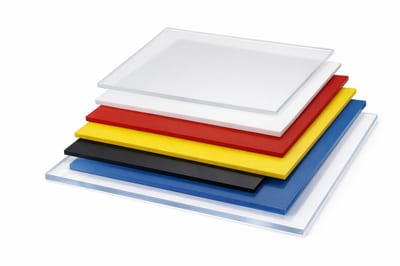
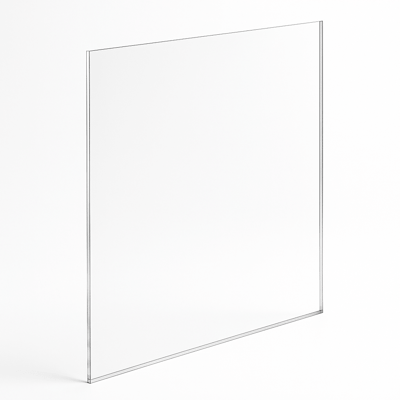
Most buyers start with a standard clear acrylic Perspex sheet , which covers the majority of everyday jobs such as covers, shelves, frames, signage and protective panels. From there, a few specialty clear grades solve specific problems.
Choosing the right type of clear sheet
Standard clear for general use
For most indoor and sheltered projects, standard clear is the sensible choice. It machines, polishes and bonds well, and it suits both DIY and trade work. If you want a premium branded clear grade, the Plexiglas Clear 0F00 acrylic sheet is also available.
Impact-modified clear for tougher environments
If the panel might be knocked, bumped or handled roughly, consider high impact acrylic sheets . They are designed to resist cracking better than standard acrylic, which can be useful for guards, covers and high-traffic locations.
Anti-reflective clear for display and framing
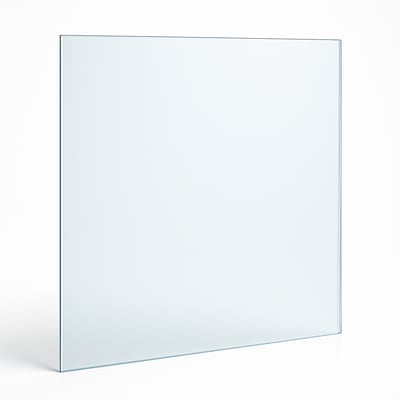
Standard clear acrylic can show reflections under strong lighting. For artwork, collectables and museum-style presentation, anti-reflective gallery grade acrylic reduces glare so the item behind the sheet stays the focus. It is a popular upgrade for photo frames and display cases.
Thickness, size and edges
Thickness is the choice most people underestimate. A thin sheet looks fine on a small frame but can flex or bow when it spans a larger opening, sits under load, or is mounted outdoors. As a rule, the larger the unsupported span, the thicker the sheet you will want. If you are unsure, tell us what the panel will do and how it will be supported, and we can point you to a suitable option.
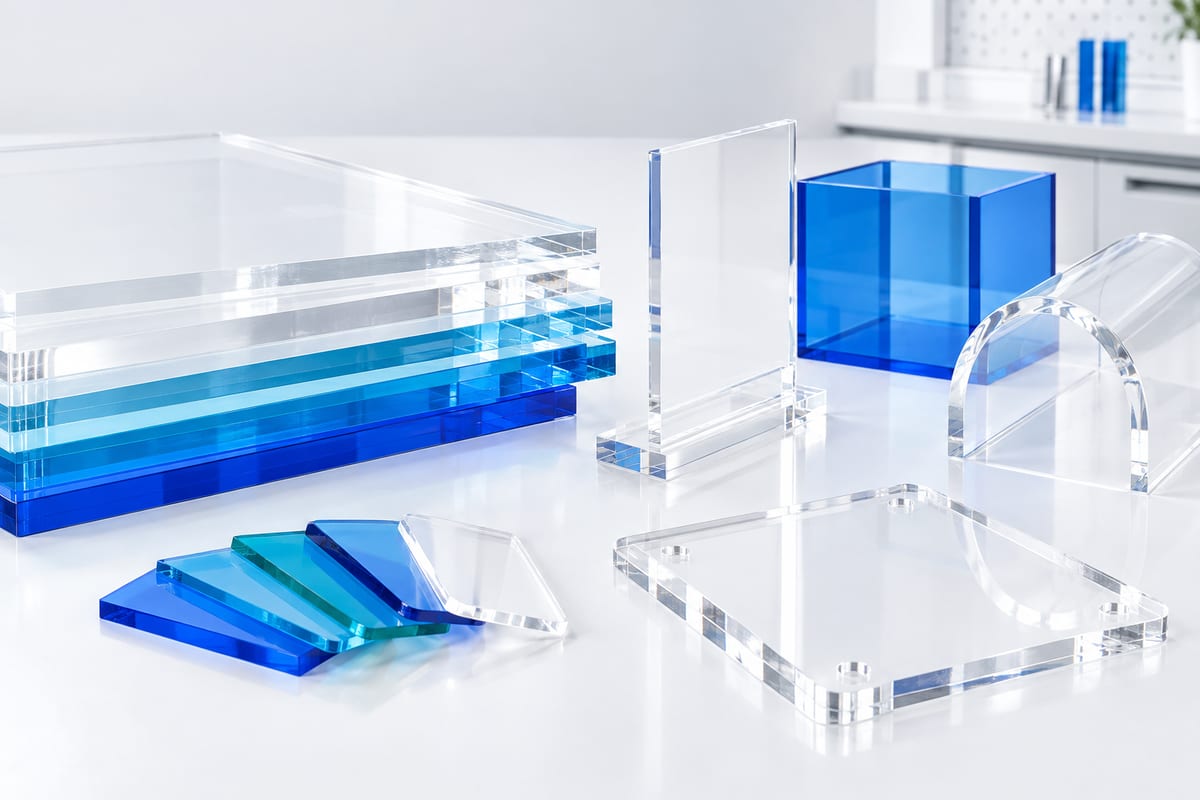
Edges matter just as much for clarity. A saw-cut edge looks slightly frosted, while a polished edge looks bright and glass-like. If the edge will be visible, such as on a shelf, a display or a sign, mention it when you order. Rounded corners are also worth considering for anything that will be handled often.
Keeping clear Perspex looking clear
Acrylic is softer than glass, so it can pick up fine scratches if it is treated roughly. A few habits make a big difference:
Leave the protective film on until installation is finished. Peel it back gradually rather than removing it all at once during cutting and drilling.
Clean with mild soapy water and a soft microfibre cloth. Avoid abrasive pads and solvent-based or ammonia-based cleaners, which can cause crazing or haze.
Store sheets flat or fully supported, away from heat and from anything that could grind grit against the surface.
Following these steps keeps a clear sheet looking crisp for years, whether it is protecting a collectable or sitting inside a custom acrylic photo frame .
Ordering clear Perspex cut to size
Buying a full sheet and cutting it yourself can be wasteful, and a poor cut can ruin the clarity of the edge. Ordering cut to size avoids both problems. Measure your opening or project carefully, decide how much clearance you need, and note any holes, notches or corner radii.
Then use the cut-to-size pricing calculator to enter your dimensions and see an instant price from the sheet material you have chosen. Prices are shown ex-GST, so you can compare options quickly before you commit.
Is clear Perspex the right choice?
For most projects needing a clear, lightweight, good-looking panel, the answer is yes. If your priority is extreme impact resistance, clear polycarbonate may suit better, and if you need maximum scratch resistance, glass may still win. For display, framing, covers, shelves and signage, clear Perspex is hard to beat on clarity, weight and ease of fabrication.
Ready to order? Get an instant cut-to-size price with our calculator, or contact us for a quote and we will help you choose the right clear Perspex for your project.