

Plastic Sheets in Australia: Match the Sheet to the Job
Choosing plastic sheets in Australia? Match acrylic, polycarbonate, HDPE, PVC and more to your job, then order cut to size online with an instant price.
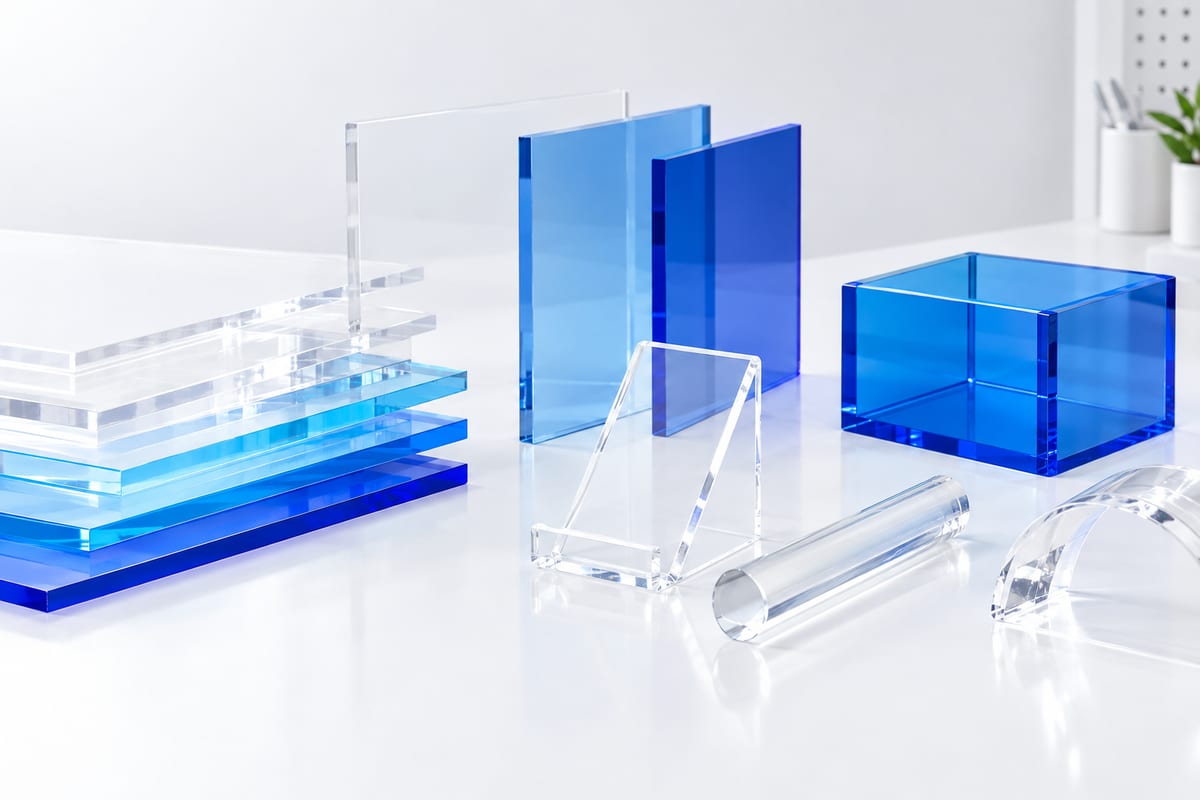
Search for plastic sheets and you will find dozens of materials with similar names and very different behaviour. A sheet that is perfect for a shop display can fail quickly as a wear liner, and a tough chemical-resistant sheet may be the wrong choice if you need a clear window. Instead of walking through every polymer, this guide works backwards from the job. Work out what the sheet has to do, and the shortlist usually becomes short very quickly.
Start with the problem the sheet needs to solve
Before comparing materials, write down four things: where the sheet will live (indoors, outdoors, wet area, workshop), what will touch it (people, chemicals, food, moving parts), how it will be fixed (screwed, glued, framed, welded), and whether it needs to be see-through. Those answers matter more than a product name. You can browse the full range on our plastic sheets category page , but having your requirements written down first makes the choice much easier.
Five property checks that narrow the field
1. Clarity and appearance
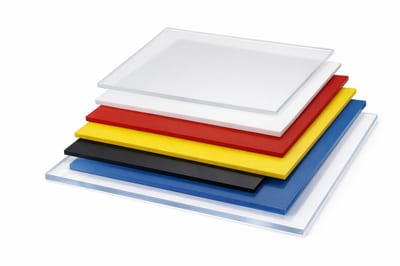
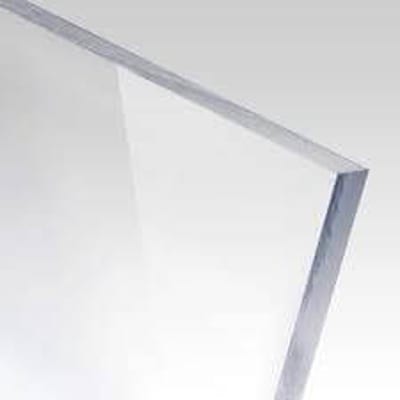
If the sheet needs to be transparent, you are mainly choosing between acrylic, polycarbonate, PETG and clear PVC. Acrylic offers excellent optical clarity and a polished look, and is available in many colours and finishes. If appearance is the priority, Acrylic Sheet (Perspex) is usually the first stop. Opaque jobs open up a wider field, including ABS, HIPS, PVC foam board and the engineering plastics.
2. Impact and flexibility
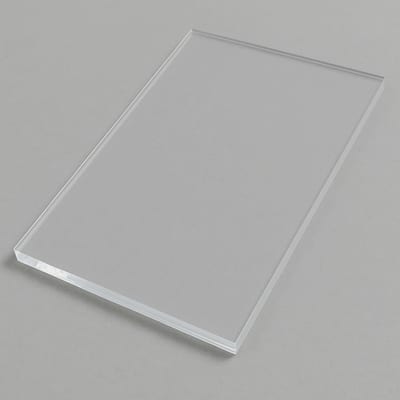
Acrylic is rigid and can crack under sharp impact. Where knocks, vandalism or flying debris are a risk, polycarbonate is the usual upgrade because it is far more impact resistant. Our UV-resistant polycarbonate sheet suits guards, glazing and protective screens. The trade-off is that polycarbonate generally scratches more easily than acrylic, so think about how the surface will be treated over time.
3. Weather and UV exposure
Not every plastic copes with Australian sun. Always confirm that the grade you are buying is intended for outdoor use, and allow for thermal expansion when fixing large panels. Sheets that are screwed down tight without any room to move are a common cause of buckling and cracking.
4. Chemicals, moisture and hygiene
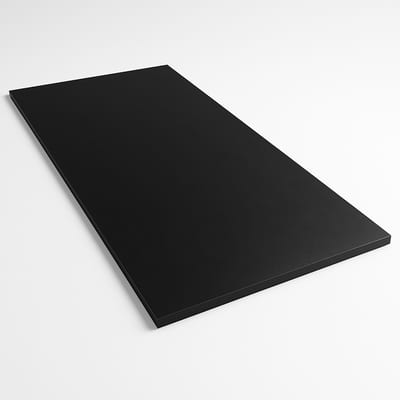
For tanks, splash guards, chopping boards and wet-area liners, look at HDPE, polypropylene and rigid PVC. They resist moisture and many chemicals and are easy to clean. HDPE sheet is a popular all-rounder here. Keep in mind that it does not bond well with common glues, so plan to weld or mechanically fix it.
5. Wear, sliding and machining
If a part will slide, rub or take repeated load, you are in engineering plastic territory. UHMWPE is favoured for abrasion and low friction, nylon for toughness, and acetal for stiffness and precise machining. These materials are chosen for performance rather than looks, so match them to the load and the environment.
Quick matching: common jobs and likely sheets
Use this as a starting point rather than a final answer. Display fronts, signage and shelves often suit acrylic. Machine guards and safety screens often suit polycarbonate. Splash zones, liners and cutting surfaces often suit HDPE, polypropylene or PVC. Thermoformed or printed signage jobs often point to ABS, HIPS or PETG. Wear strips and bearings usually point to UHMWPE, nylon or acetal. If your job sits across two categories, such as clear and impact resistant, that overlap is exactly where polycarbonate tends to earn its place.
Still undecided? Our material selection guide walks you through the choice based on your requirements.
What to specify when you order
Once the material is settled, a few details prevent costly re-orders. Confirm the exact finished dimensions and which way round any pattern or grain should run. Choose a thickness appropriate to the span and load, and check whether the sheet will be supported on every edge or only some. Decide on colour and surface finish, such as gloss, frosted or textured. Finally, note whether the edges need to be polished, because that affects the finished look on clear sheets.
Where possible, order cut to size rather than buying a full sheet and cutting it yourself. It reduces waste, avoids chipped edges from the wrong blade and saves handling large sheets. You can see a price from your own dimensions using the cut-to-size pricing calculator . Prices are shown ex-GST.
Common mistakes to avoid
The most frequent problems come from choosing on price alone, ignoring UV exposure, forgetting about expansion gaps, and picking a material that cannot be glued when the design relies on glue. Another is protecting the sheet's masking film for too long outdoors; remove it before the sheet is exposed to prolonged sun. A few minutes spent checking these points against your project will save time and money.
Choosing with confidence
Plastic sheets are not interchangeable, but the choice does not need to be complicated. Define the environment, the loads and the finish you need, then match those to the properties above. If you would like a second opinion, the team can review your application and recommend a suitable material and thickness.
Ready to order? Use the cut-to-size calculator for an instant price, or contact us for a quote and we will help you choose the right plastic sheet for your job.