

Acrylic Sheets vs Glass and Polycarbonate: Which to Choose
Compare acrylic sheets with glass and polycarbonate on clarity, weight, impact strength, UV stability and cost, then order cut to size online in Australia.
Searching for acrylic sheets usually means you have a project in mind and a material decision to make. Should you stick with glass, step up to polycarbonate, or is acrylic the right fit? Each material has a clear role, and picking the wrong one can mean cracked panels, scratched surfaces or paying for performance you do not need. This guide compares the three on the points that matter most so you can choose with confidence.
What makes acrylic sheets popular
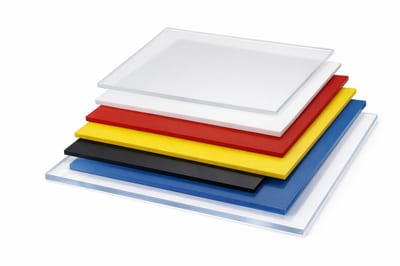
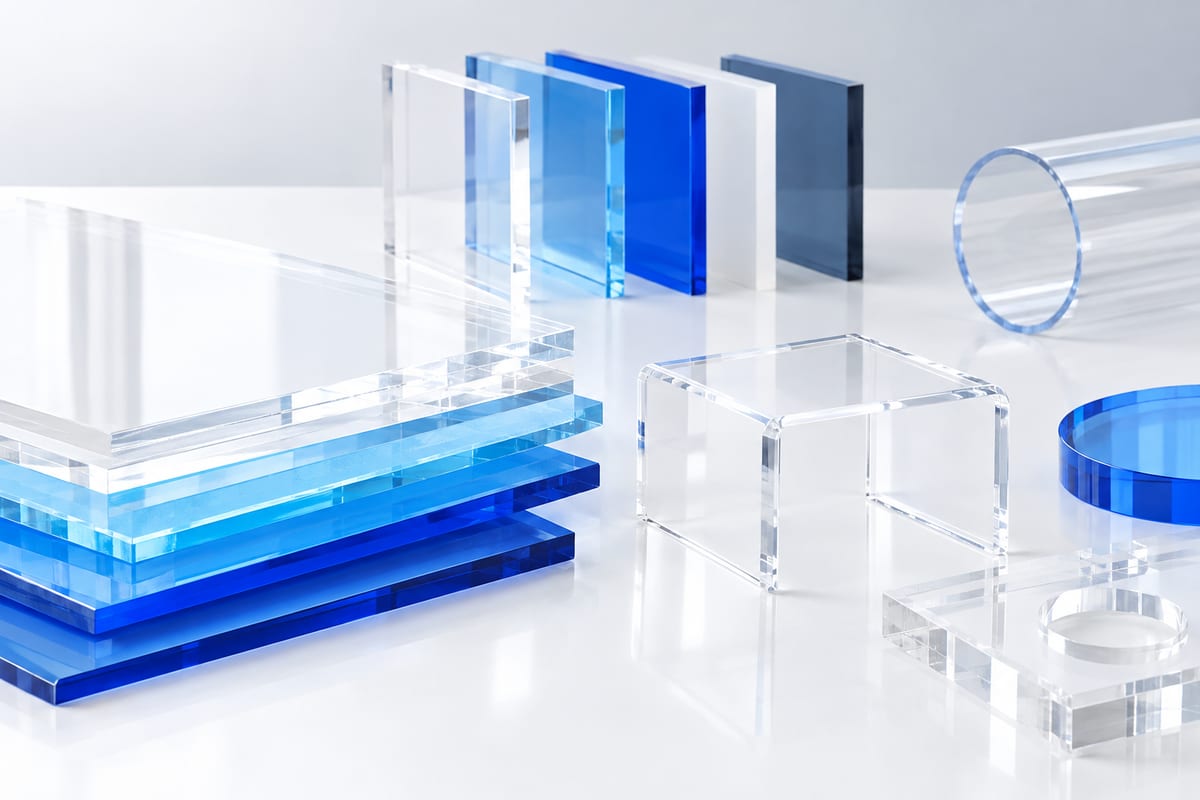
Acrylic (PMMA) is a rigid, transparent thermoplastic known for glass-like clarity, light weight and easy fabrication. It is sold in Australia under well-known names such as Perspex and Plexiglas, and it comes in clear, tinted, opal, frosted, mirror and many coloured options. You can cut, drill, route, polish, bond and thermoform it with standard workshop methods, which is a big reason it appears in everything from picture frames to shopfronts. Our acrylic sheet (Perspex) range covers the common clear and coloured sheets, available cut to size.
Acrylic sheets vs glass
Weight, safety and handling
Acrylic is considerably lighter than glass, which makes large panels easier to carry, fix and ship. It is also far more impact resistant than standard glass. When glass breaks it can form sharp shards, whereas acrylic is much less likely to break at all. That makes it a practical choice for homes with kids or pets, busy retail spaces, shelving and display cases.
Clarity, scratching and heat
Good acrylic is very clear and does not carry the slight green edge tint common in glass. Glass wins on surface hardness, so it resists scratching better and can handle higher temperatures. If a surface will be wiped constantly with abrasive cloths or sits close to a heat source, glass may suit better. For most other uses, acrylic's safety and weight benefits outweigh the extra care needed when cleaning. Use a soft microfibre cloth and a plastic-safe cleaner, and avoid glass cleaners containing ammonia.
Where acrylic replaces glass
Acrylic is widely used for window upgrades, such as secondary glazing panels , where its light weight and clarity make retrofitting simple. It is also a popular glass alternative for splashbacks, photo frames and display cabinets.
Acrylic sheets vs polycarbonate
These two are often confused because both are clear, lightweight plastics. The key difference is how they behave under stress. Polycarbonate is extremely tough and highly resistant to impact, but its surface is softer and scratches more readily unless it carries a hard coating. Acrylic has a harder, glossier surface and typically better optical clarity and weathering, but it is more rigid and can crack under severe impact.
Choose acrylic for displays, signage, shelving, furniture, frames, aquariums and decorative glazing. Choose polycarbonate sheet for machine guards, security screens and anywhere a hit or drop is likely. For demanding protective uses, see our page on polycarbonate safety glazing . We also cover the brand-versus-material question in more detail in our Perspex vs Lexan post.
A quick way to decide
Ask yourself four questions before you order:
Will it be hit or dropped? If impact is a real risk, lean towards polycarbonate. If it is mainly about looks and everyday use, acrylic is usually enough.
Is appearance the priority? Acrylic offers excellent clarity and a wide range of finishes, including mirror, frosted and opal.
Will it live outdoors? Both can be specified for UV exposure, but check the grade and allow for expansion and contraction when fixing.
Does it need to resist heat or abrasion? If so, glass or a coated sheet may be the better call.
Still unsure? Our material selection guide walks you through the options based on your application.
Ordering acrylic sheets cut to size
Buying a full sheet and cutting it yourself is not always practical, especially if you need clean edges, accurate dimensions or several different pieces. Ordering cut to size saves time and reduces offcut waste. Measure the opening or space carefully, allow for expansion where panels are fixed, and decide on thickness based on span and use. Thicker sheet suits larger unsupported panels, while thinner sheet works for small frames and covers. You can browse the full acrylic category to see colours and finishes, then use the cut-to-size pricing calculator to get an instant price from your own dimensions. Prices are shown ex-GST.
Choosing the right sheet
Acrylic sheets are the best all-round choice when you want glass-like clarity without the weight and shatter risk. Glass still has a place where scratch resistance and heat tolerance come first, and polycarbonate is the answer when toughness is non-negotiable. Match the material to the way the panel will actually be used and you will get a result that looks good and lasts.
Ready to order? Get an instant cut-to-size price with our pricing calculator, or contact us for a quote on larger or custom acrylic projects.