

Polypropylene Plastic vs HDPE: How to Choose the Right One
Polypropylene plastic vs HDPE explained: stiffness, heat, chemical resistance, UV and welding compared, so you can pick the right sheet for your next job.
Polypropylene plastic and HDPE look very similar on the shelf. Both are waxy to the touch, both float, both resist a wide range of chemicals and both are common in tanks, linings, food-contact parts and workshop fabrication. So it is easy to assume they are interchangeable. They are not, and picking the wrong one is a common reason for parts that warp, crack or fail early.
This guide focuses on the decision between the two, rather than repeating a general material overview. If you want the full profile of the material itself, see our guide to polypropylene properties and uses. Here we look at where each plastic wins, so you can match it to your job.
Where polypropylene plastic performs best
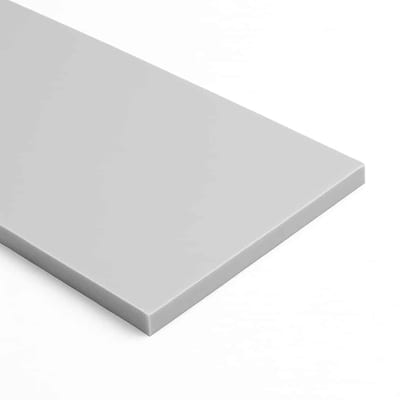
Polypropylene (PP) is a lightweight thermoplastic that is generally stiffer than HDPE and tolerates higher temperatures. That makes it a strong choice for parts that need to hold their shape, such as trays, fabricated covers, laboratory fittings and components that see warm water or cleaning cycles.
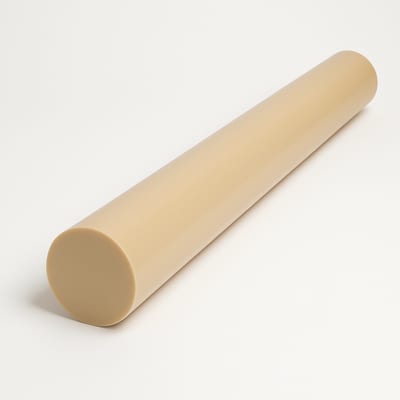
It also has excellent chemical resistance to many acids, alkalis and salts, and very good fatigue resistance. This is why polypropylene is used for living hinges and for tanks and process equipment handling aggressive liquids. For a practical range of sizes and thicknesses, browse our polypropylene sheet and rod options.
Where HDPE has the edge
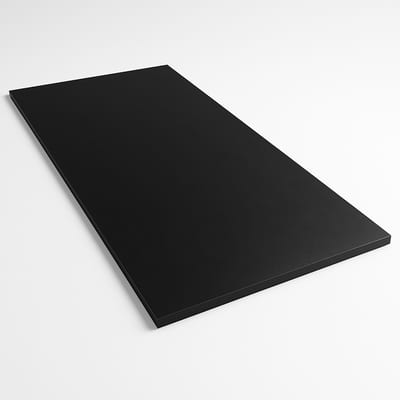
HDPE is typically tougher. It absorbs impact well, including in cooler conditions where some polypropylene grades can become more brittle. It is also widely available in specialised forms such as marine grade, playground grade and high-visibility colours, and it has a long record in outdoor and wear applications.
If your part will be knocked about, dropped, driven over or left outside, HDPE is often the safer default. You can compare grades in our HDPE and UHMWPE range , or look at standard HDPE sheet for general fabrication.
Choosing by job: a quick comparison
Stiffness and heat
Choose polypropylene when the part must stay rigid or will see warm liquids or hot washdowns. Choose HDPE when moderate flex and impact absorption matter more than stiffness.
Impact and cold conditions
HDPE generally holds up better to knocks and cold. If a polypropylene part will see impact, ask about copolymer grades, which are usually tougher than homopolymer.
Chemicals and tanks
Both resist many chemicals, but compatibility depends on the specific chemical, concentration and temperature. Always check the exact liquid before you commit. For containment projects, see how these materials are used in chemical storage tanks .
UV and outdoor exposure
Unstabilised polypropylene can break down under strong sunlight over time. For permanent outdoor installations, choose a UV-stabilised grade or favour HDPE. Let us know the environment when you order and we will point you to the right option.
Fabrication: welding, machining and gluing
Here the two materials behave alike, and it catches many first-time buyers out. Neither polypropylene nor HDPE bonds well with common glues or solvent cements because of their low surface energy. For permanent, leak-tight joins, plastic welding is the proven method. Our plastic welding service covers fabricated assemblies in PP and HDPE.
Both machine and rout cleanly with sharp tooling, but they can expand and move with temperature, so allow for that in tight-fit parts. Keep this in mind when you design fixings: use slotted holes or allow for movement on larger panels rather than clamping them rigidly.
Ordering polypropylene plastic cut to size
Once you know which material suits the job, the next step is getting the right size. Enter your dimensions in the cut-to-size pricing calculator for a price from the calculator, shown ex-GST. Before you order, confirm the colour, thickness, finish and the environment the part will live in, since these affect which grade is best.
The short version
Pick polypropylene plastic for stiffness, heat tolerance and chemical resistance. Pick HDPE for toughness, impact performance and outdoor durability. If the job sits between the two, or you are unsure about a chemical or temperature, a quick conversation can save you a costly re-order.
Ready to order? Get an instant cut-to-size price with our pricing calculator, or contact us for a quote and we will help you choose between polypropylene and HDPE.